What Is an Internal Developer Platform?
You’ve probably felt this before. Your team ships decent code, your infrastructure is “modern enough,” and yet… everything feels slower than it should. Spinning up a new service takes days.


You’ve probably felt this before. Your team ships decent code, your infrastructure is “modern enough,” and yet… everything feels slower than it should. Spinning up a new service takes days.

You’ve probably seen this movie before. A new quarter starts, leadership asks for “operational improvements,” and suddenly your roadmap fills with vague goals like increase reliability, reduce incidents, or improve

You’ve probably been here before. A vendor demo looks flawless. The roadmap sounds ambitious. The sales engineer says “enterprise-ready” at least six times. And yet, six months after rollout, your

Your platform team usually notices the problem too late. Not when Prometheus turns red. Not when an executive asks why the deployment lead time slipped. Much later, when application teams
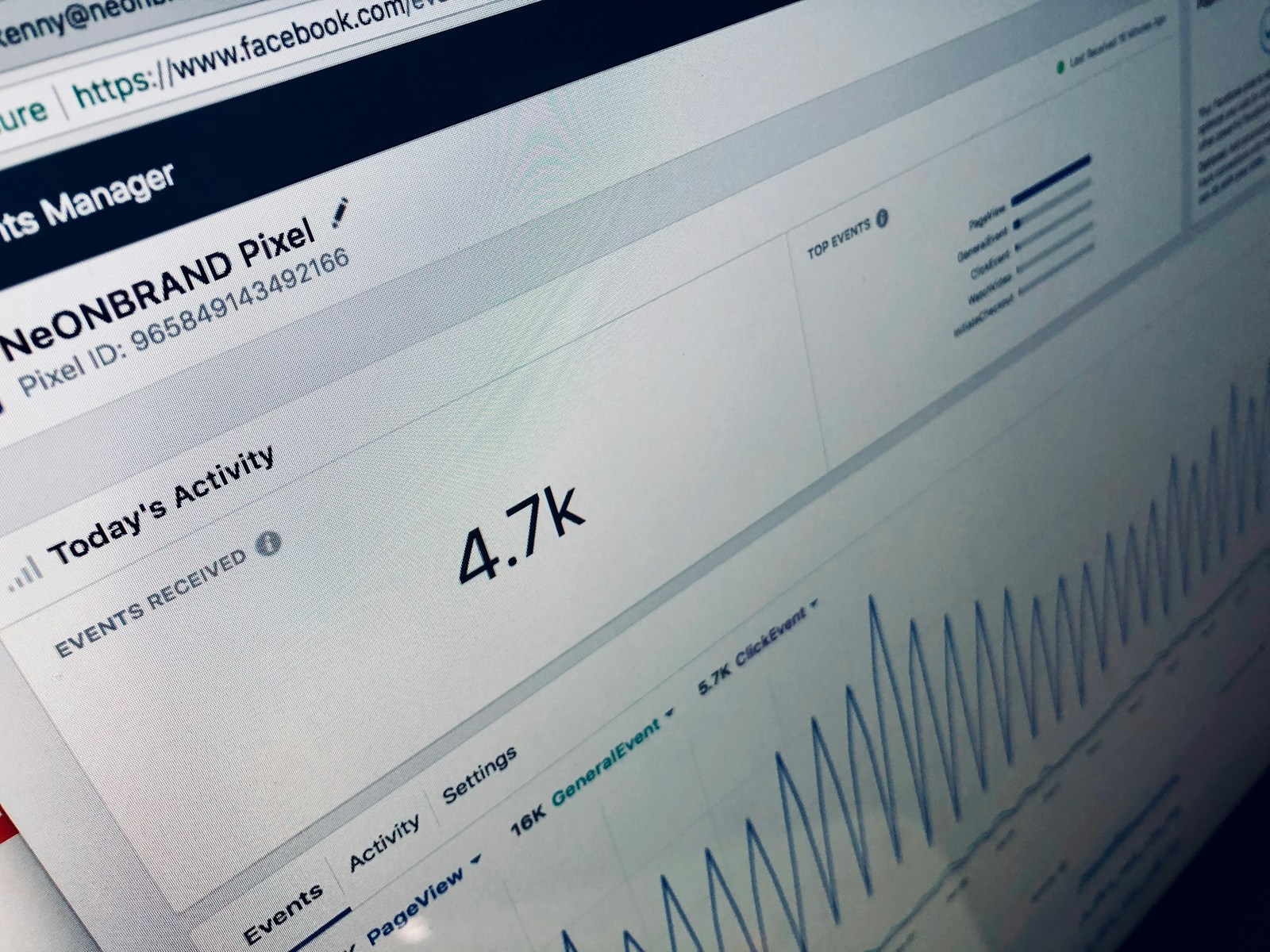
The pager goes off, dashboards are red, and production symptoms point to the same service. Latency spikes after a deploy. Error rates climb in one API. A database graph looks

You’ve seen it happen. A candidate walks through a system design, name-drops Kafka, shards a database, throws in a cache, and everything sounds plausible. As the interviewer, you leave with

Most engineering orgs don’t set out to build a “platform.” They wake up one day and realize they already have one. It just doesn’t feel like a product. Your CI

Most platform teams don’t fail because they lack tools. They fail because they automate the wrong things too early. You’ve probably seen this play out. A team spends six months

Most platform roadmaps fail in a very predictable way. They look polished, they list the right buzzwords, and they completely ignore how engineering actually works. You’ve probably seen it: a