
Real Time Data Pipelines: Architecture Patterns And Tradeoffs
Why real time is more than “faster batch” You build a real time data pipeline when waiting breaks something important. Maybe your fraud model falls behind live attacks, your pricing


Why real time is more than “faster batch” You build a real time data pipeline when waiting breaks something important. Maybe your fraud model falls behind live attacks, your pricing

You can feel the tone of an architecture review shift the moment someone finally asks it. The room goes quiet, people straighten up, and you see who’s truly thought through

You can tell a platform is in trouble long before the incident dashboard lights up. The symptoms show up in the conversations teams stop having, the workflows that quietly ossify,

[https://unsplash.com/photos/black-and-white-round-illustration-OLRXnzXFBjo] Over the last few years, MCP – Model Context Protocol – servers have become increasingly critical for businesses that rely on AI-driven applications and real-time agent interactions. Whether they’re

You can feel the trajectory of an architecture long before it collapses under load. It shows up in the way engineers debug incidents, in the shape of pull requests, in
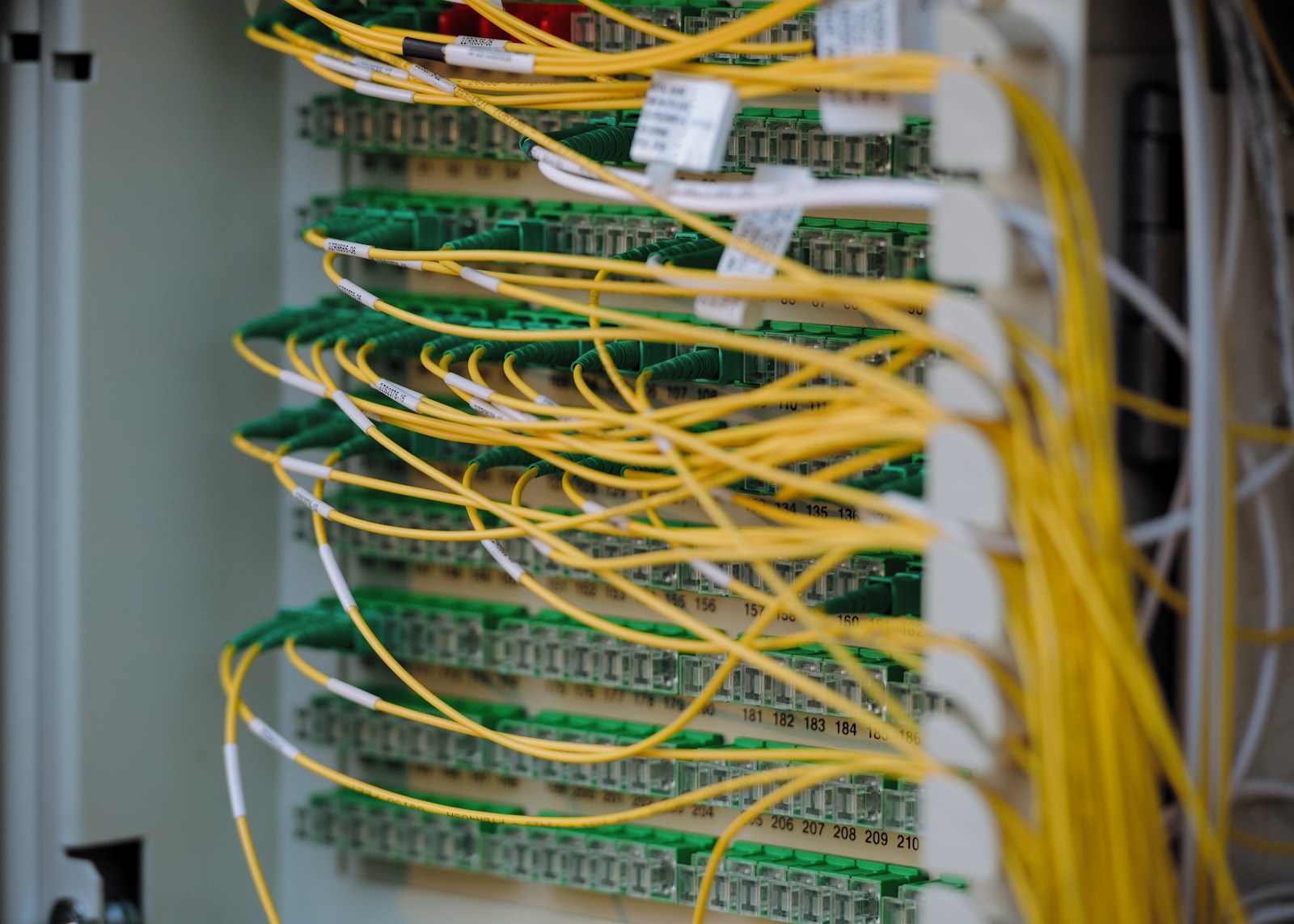
Picture a typical on call night. Traffic jumps, a dependency misbehaves, latency climbs, Slack fills with alerts. You jump in and fix it. In that moment, you are the healing

A familiar scene: traffic spikes, autoscaling fires, a few nodes restart, and suddenly half your services cannot find each other. Logs fill with timeouts. Someone asks the question no one

If you’ve spent enough time in incident calls, you start to notice a pattern: the real cause of an outage is almost never the thing that paged you. The alert
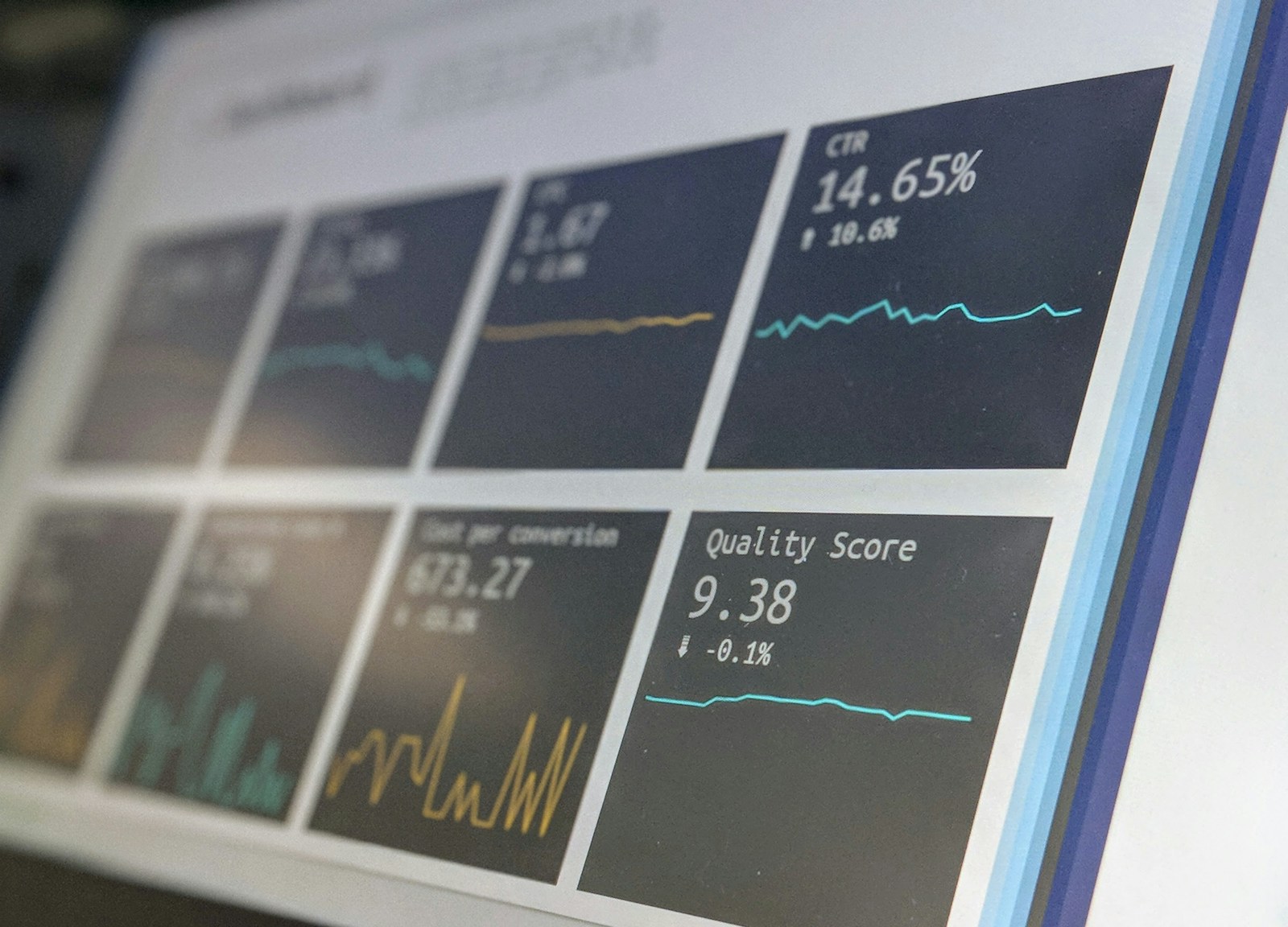
Most engineering leaders swear they’re “data driven” about reliability, yet most teams quietly optimize for the wrong thing. You’ve seen it in incident reviews where everyone debates whether an outage