
Understanding Database Isolation Levels and Their Tradeoffs
If you have ever chased a production bug that “only happens under load,” chances are you were really debugging an isolation problem. Two transactions ran at the same time, each


If you have ever chased a production bug that “only happens under load,” chances are you were really debugging an isolation problem. Two transactions ran at the same time, each

If you have ever sat in an incident review where uptime looked green but engineers looked exhausted, you already know the gap. Leadership dashboards tend to reward stability theater: availability

Over the last decade, innovative technologies such as Augmented Reality (AR) and Virtual Reality (VR) have evolved from niche experiments into competitive advantages. However, the steadily increasing demand for these

At small scale, “data migration” feels like a bigger COPY INTO. At large scale, it’s closer to relocating a city while people are still commuting to work. When you’re moving
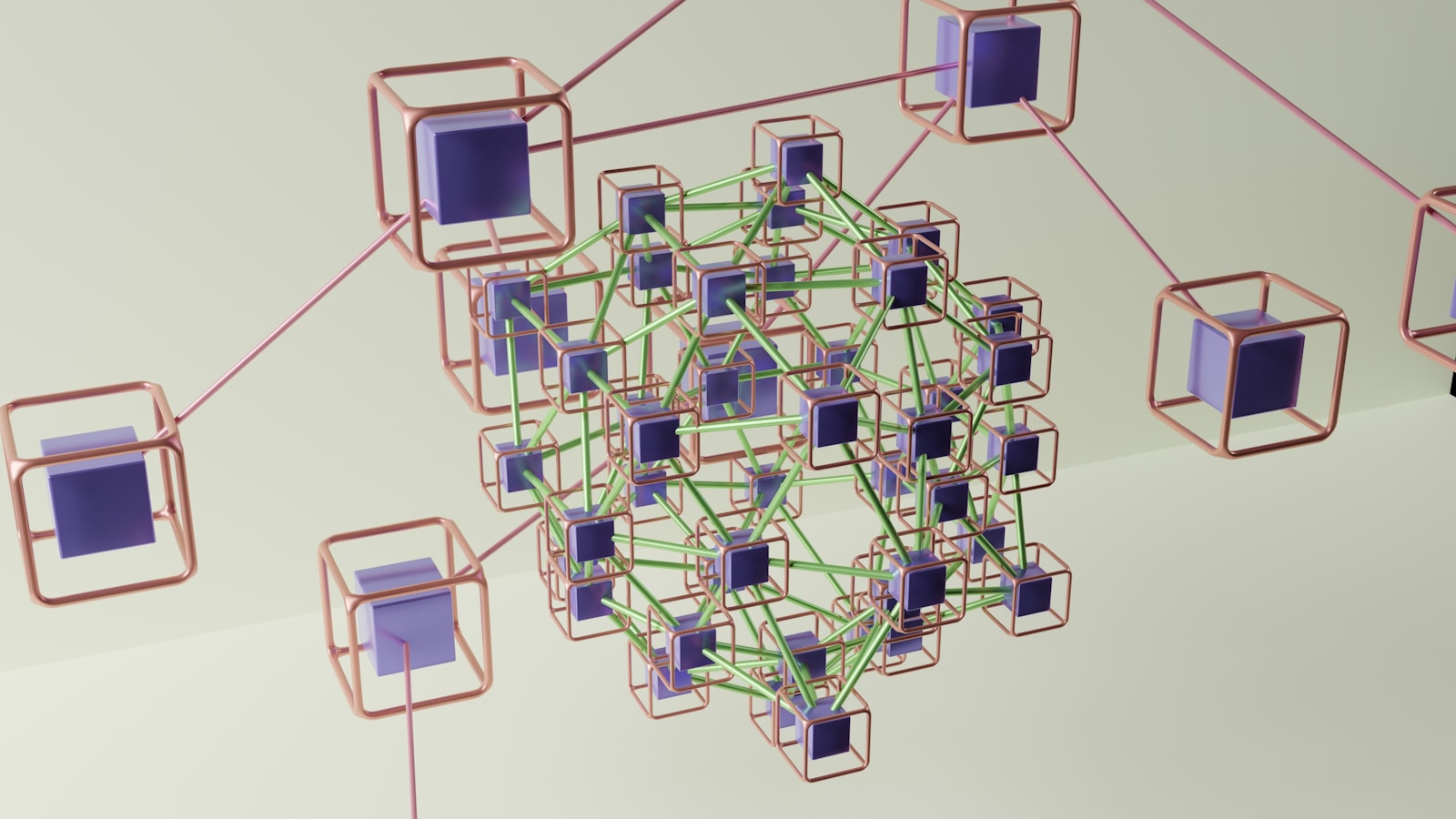
You usually do not “build” a fault-tolerant distributed system. You budget for it. You budget timeouts. You budget redundancy. You budget operational complexity. And you budget the uncomfortable truth that

You do not decompose a monolith because microservices are fashionable. You do it because your current system shape makes change expensive. Releases feel risky, lead time keeps creeping up, incidents

You can usually tell when a system is unhealthy long before the dashboard goes red. The tests still pass. Latency is mostly fine. Deploys still work if you squint. But

If you have shipped software the “traditional DevOps way”, you know the feeling. A CI pipeline runs, a deployment script fires, something changes in production, and suddenly no one is

Speed is a major factor when it comes to using proxy servers, a slow one can turn a simple task into a prolonged and frustrating wait, whether you’re checking search