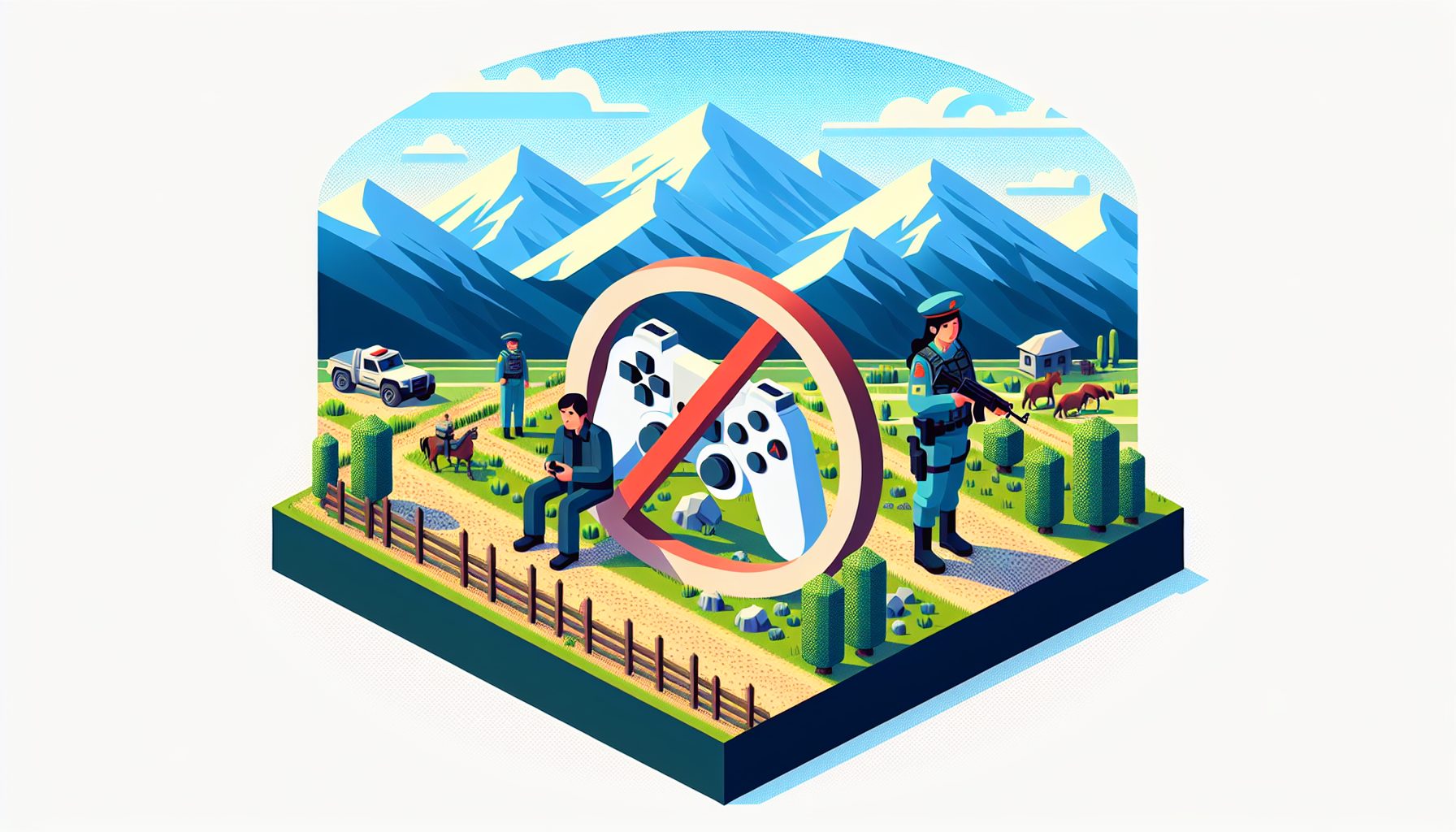
Tajikistan has banned the popular video games Grand Theft Auto (GTA) and Counter-Strike, citing concerns about violence and their potential influence on young people. The Dushanbe Department of the Ministry of Internal Affairs announced the decision via their official Telegram channel last week. The translated message states that the distribution of “immoral and violent videos and games is strictly prohibited.” According to the Ministry of Culture’s historical and cultural expertise, the games “COUNTER-STRIKE” and “GRAND THEFT AUTO” contain elements of rape, murder, and robbery.
Parents are urged to monitor their children’s gaming activities to prevent them from playing these banned games. Gaming and computer centers will also be prohibited from distributing these titles.
Tajikistan bans violent video games
The Dushanbe police plan to conduct raids and inspections to enforce the ban. Law enforcement analysis in Tajikistan suggests that younger individuals have committed various crimes as a result of regular exposure to these games, claiming they have a negative influence. The blanket ban encompasses all titles within the GTA and Counter-Strike series.
This regulatory move follows a pattern seen in other regions where games by Rockstar Games have been subject to bans or censorship due to their content. The country’s legislative action reflects a broader concern about the impact of violent video games on youth and public safety. However, it is important to note that there is no scientific evidence to support the claim that video games directly cause violent behavior or crime.

Cameron is a highly regarded contributor in the rapidly evolving fields of artificial intelligence (AI) and machine learning. His articles delve into the theoretical underpinnings of AI, the practical applications of machine learning across industries, ethical considerations of autonomous systems, and the societal impacts of these disruptive technologies.