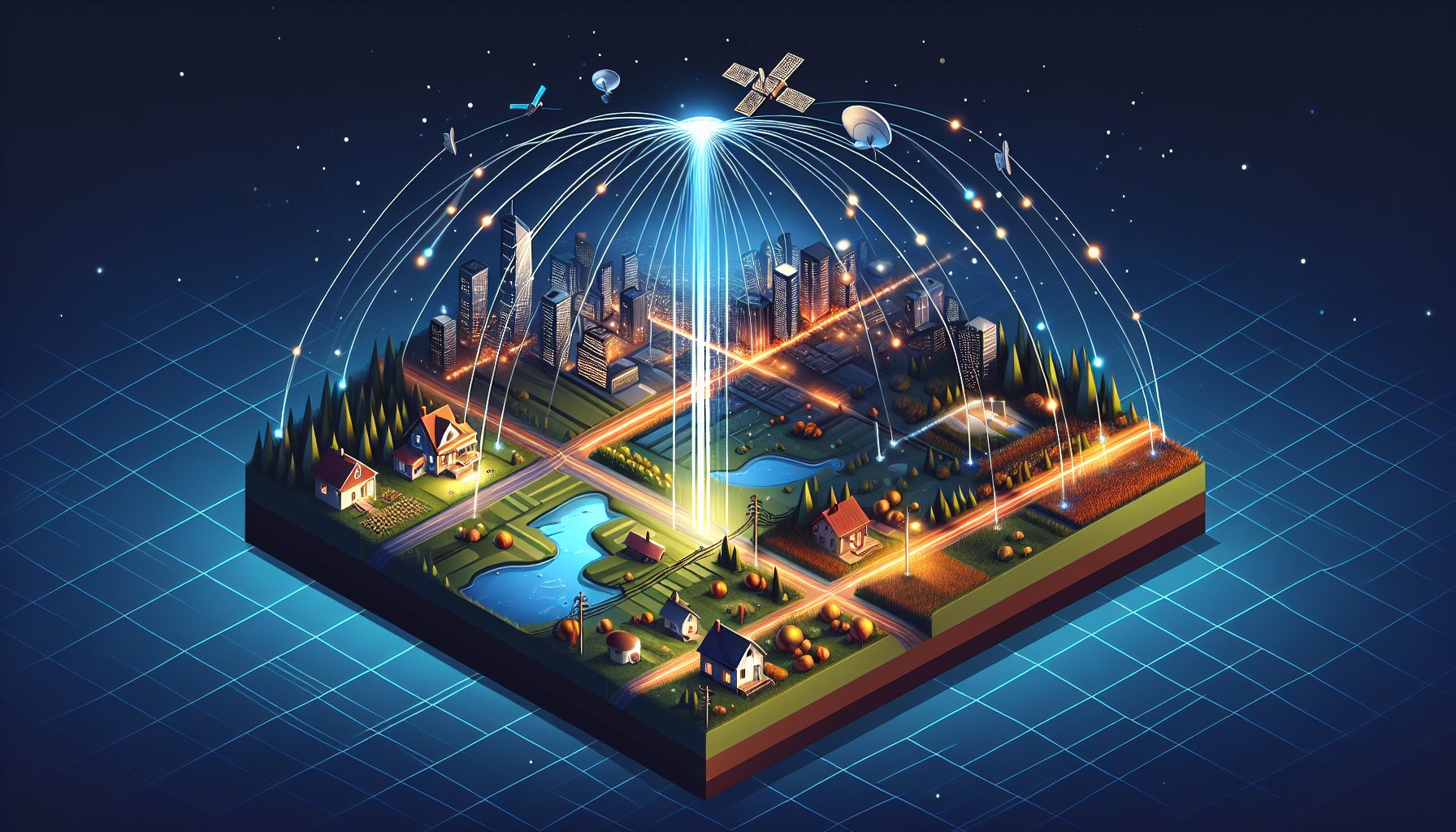
SpaceX, the private space company led by Elon Musk, has won a $100 million contract to provide high-speed internet to remote areas of Ontario, Canada. The deal was signed by the provincial government. Under the agreement, SpaceX will bring its Starlink satellite internet service to 15,000 homes and businesses in rural and northern regions.
The service is set to launch in June 2025, with registrations starting in the spring. The government will cover the equipment and installation costs for customers. However, monthly fees will still apply.
Starlink previously piloted its service with the Pikangikum First Nation, a remote indigenous community in northern Ontario. This initiative is part of Ontario’s $4 billion plan to deliver high-speed internet across the province.
Starlink brings internet to Ontario
SpaceX began launching Starlink satellites in 2019 and now has over 7,000 in low Earth orbit. These satellites communicate with ground transceivers to provide internet in hard-to-reach places. Starlink remains a private company and does not trade publicly at this time.
The deal requires Starlink to engage with Indigenous communities that could benefit from the program. This engagement aims to create local economic opportunities, training, and jobs. Infrastructure Ontario CEO Michael Lindsay said, “SpaceX — which is in charge of the Starlink program — won after a robust and transparent competitive process, ensuring a fair technical and financial evaluation of multiple qualified parties.”
Some have raised concerns about relying on a foreign company for critical infrastructure.
“It’s part of the solution, but having a foreign company control a key part of our telecommunications infrastructure isn’t ideal,” noted Geoff White, Executive Director of the Public Interest Advocacy Centre. Despite these reservations, the deal is moving forward. It remains to be seen if Starlink can scale its early successes and potentially reshape the telecom landscape in Canada.

Cameron is a highly regarded contributor in the rapidly evolving fields of artificial intelligence (AI) and machine learning. His articles delve into the theoretical underpinnings of AI, the practical applications of machine learning across industries, ethical considerations of autonomous systems, and the societal impacts of these disruptive technologies.