The computing industry stands at a critical crossroads. As we push the boundaries of computational power, we face an insurmountable enemy: heat. Having spent years analyzing semiconductor developments, I can confidently say that the recent breakthrough in transistor technology represents a fundamental shift in how we approach computing efficiency.
Traditional computing systems are hitting a thermal wall. The Frontier supercomputer, while achieving an impressive 1 exaflop of processing power, demands a staggering 21 megawatts of power. Projecting forward to zeta-scale computing, we’re looking at power requirements equivalent to multiple nuclear power plants just to run our data centers. This is clearly unsustainable.
The Game-Changing Innovation
A Finnish company, Semicon, has developed something extraordinary – a transistor that operates with virtually zero heat dissipation. This isn’t just an incremental improvement; it’s a complete paradigm shift in transistor technology. The numbers are astounding:
- Uses only 0.1% of the power of traditional transistors
- Reduces heat dissipation by 1,000 times
- Functions reliably at extremely low temperatures
What makes this development particularly significant is its practicality. Unlike many breakthrough technologies that require exotic materials or complex manufacturing processes, these new transistors use silicon-on-insulator (SOI) CMOS technology – an approach already widely adopted in automotive and wireless industries.
Solving the Quantum Computing Challenge
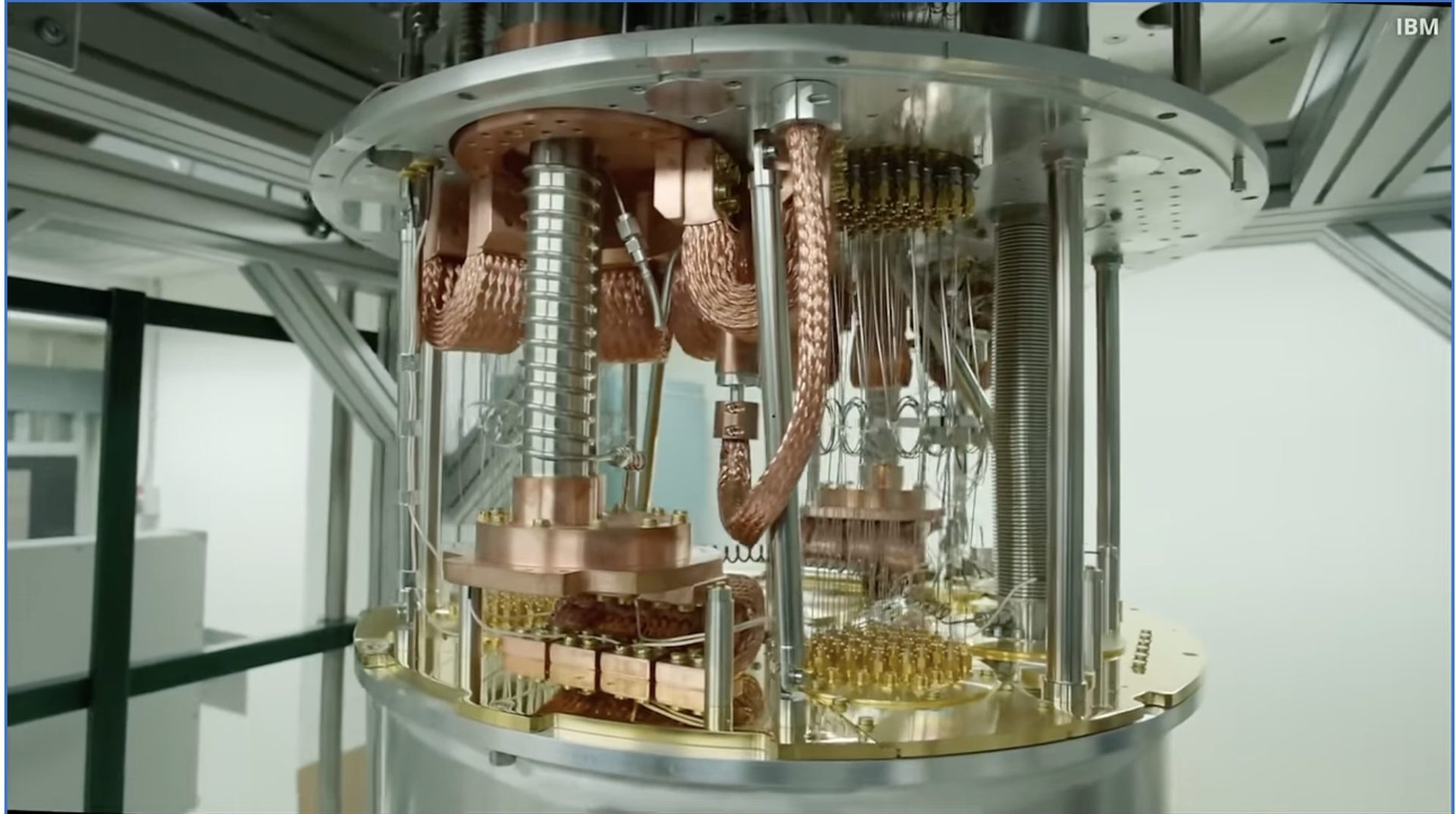
The implications for quantum computing are particularly profound. Heat is the arch-nemesis of quantum systems, destroying the delicate state of quantum entanglement necessary for computations. Current quantum computers require extensive cooling systems, making them complex and expensive to operate.
These new cryogenic transistors offer a solution by allowing control electronics to be placed directly inside the cooling system (cryostat). This advancement could dramatically simplify quantum computer design and enable scaling to larger numbers of qubits.
The Data Center Revolution
Consider the current state of data centers worldwide:
- Billions spent annually on cooling systems
- Massive energy consumption for both operation and cooling
- Growing environmental impact
The new transistor technology could eliminate the need for extensive cooling infrastructure, potentially saving billions in operational costs while significantly reducing environmental impact.
Space Applications and Beyond
The potential extends well beyond terrestrial applications. These transistors are ideally suited for space operations, where extreme temperature variations pose significant challenges. Their ability to function reliably in cold environments without additional temperature control systems makes them perfect for space-grade electronics.
Facing Reality: The Challenges Ahead
While the potential is enormous, we must acknowledge several hurdles:
- Time required for transition from laboratory to mass production
- Initial infrastructure costs for cryogenic systems
- Industry adoption rates and resistance to change
The technology sector must weigh these challenges against the long-term benefits of implementing this revolutionary technology. The decision between investing in cryogenic systems versus traditional power solutions will shape the future of computing infrastructure.
Looking to the Future
This breakthrough represents more than just an improvement in computing efficiency – it’s a potential solution to one of the most pressing challenges in technology. We stand at the threshold of a new era in computing, where heat dissipation no longer limits our ability to scale computing power.
The path forward requires bold decisions from industry leaders and policymakers. While the transition won’t happen overnight, the potential benefits – from sustainable data centers to advanced quantum computers – make this a compelling direction for the future of computing.
Frequently Asked Questions
Q: How does this new transistor technology compare to traditional transistors?
The new transistors consume just 0.1% of the power of traditional transistors and produce 1,000 times less heat. They’re built using an ultra-thin silicon layer on an insulator, unlike traditional transistors that use bulk silicon.
Q: What impact could this technology have on data centers?
This technology could dramatically reduce cooling costs in data centers, which currently spend billions annually on cooling. It could eliminate the need for extensive cooling infrastructure and reduce overall power consumption significantly.
Q: How does this advancement benefit quantum computing?
The new transistors can operate efficiently at extremely low temperatures, making them ideal for quantum computing systems. They allow control electronics to be placed directly inside the cooling system, simplifying design and enabling better scaling of quantum systems.
Q: When might we see this technology in commercial use?
While the technology shows great promise, it will take time to transition from laboratory to mass production. The timeline depends on factors such as manufacturing scale-up, cost considerations, and industry adoption rates.
Q: What are the main challenges in implementing this technology?
The primary challenges include the time needed for mass production development, the initial costs of implementing cryogenic systems, and potential resistance from industry players who might prefer existing solutions or alternative energy-saving options.

Finn is an expert news reporter at DevX. He writes on what top experts are saying.