OpenAI is developing a new AI agent called A-SWE that could replace software engineers. The CFO of OpenAI, Sarah Friar, revealed this during a recent interview at the Disruptive Technology Symposium in London. A-SWE can build applications and handle tasks such as quality assurance, debugging, and documentation.
“This is not just augmenting the current software engineers in your workforce, which is kind of what we can do today through Copilot, but instead, it’s an autonomous software engineer that can build an app for you,” Friar explained. A-SWE represents the third phase of OpenAI’s development of agentic AI. Last year, OpenAI released its first AI software engineer that could plan and execute complex engineering tasks within a gated environment.
Friar also discussed the advancements brought by GPT-4.5, OpenAI’s most advanced GPT model. The model has an increased focus on emotional intelligence, making it more human-like and better suited for creative tasks. Despite these advancements, human workers remain cautious.
OpenAI published three new guides: "AI in the Enterprise", "A practical guide to building AI agents", and "Identifying and scaling AI use cases" pic.twitter.com/2G1AmqasCV
— Tibor Blaho (@btibor91) April 15, 2025
A January report shows that more than half of survey respondents think AI poses a significant risk of widespread job displacement.
Advancements in autonomous software engineering
OpenAI is also expanding into data center infrastructure with the $500 billion Stargate project, similar to Amazon’s AWS strategy.
In January, OpenAI, alongside partners like SoftBank, Oracle, and MGX, announced the Stargate project, aiming to build data centers specifically for AI training and inference. Friar indicated that while an IPO isn’t imminent given the startup’s development and expansion plans, it remains a possibility for the future. OpenAI continues to push the boundaries of what AI can achieve, aiming to make substantial impacts on various industries by enhancing both the technical and creative capabilities of AI systems.
However, previous claims about AI capabilities have often been overstated, leading to skepticism about the true potential of these models. OpenAI has a history of making tall claims about its products, some of which never materialize. Despite the ambitious plans, AI models are still prone to hallucinations—confidently generating information that simply isn’t true.
The problem isn’t that these large language models are inaccurate because humans make mistakes, too. What’s more concerning is that these models present false information with an air of absolute confidence, making it harder to separate fact from fabrication. So when OpenAI says that its upcoming AI agents will be able to essentially do all of what current software engineers do and more, it is prudent to take those claims with a pinch of salt.
The real-world performance of A-SWE will ultimately determine its success.
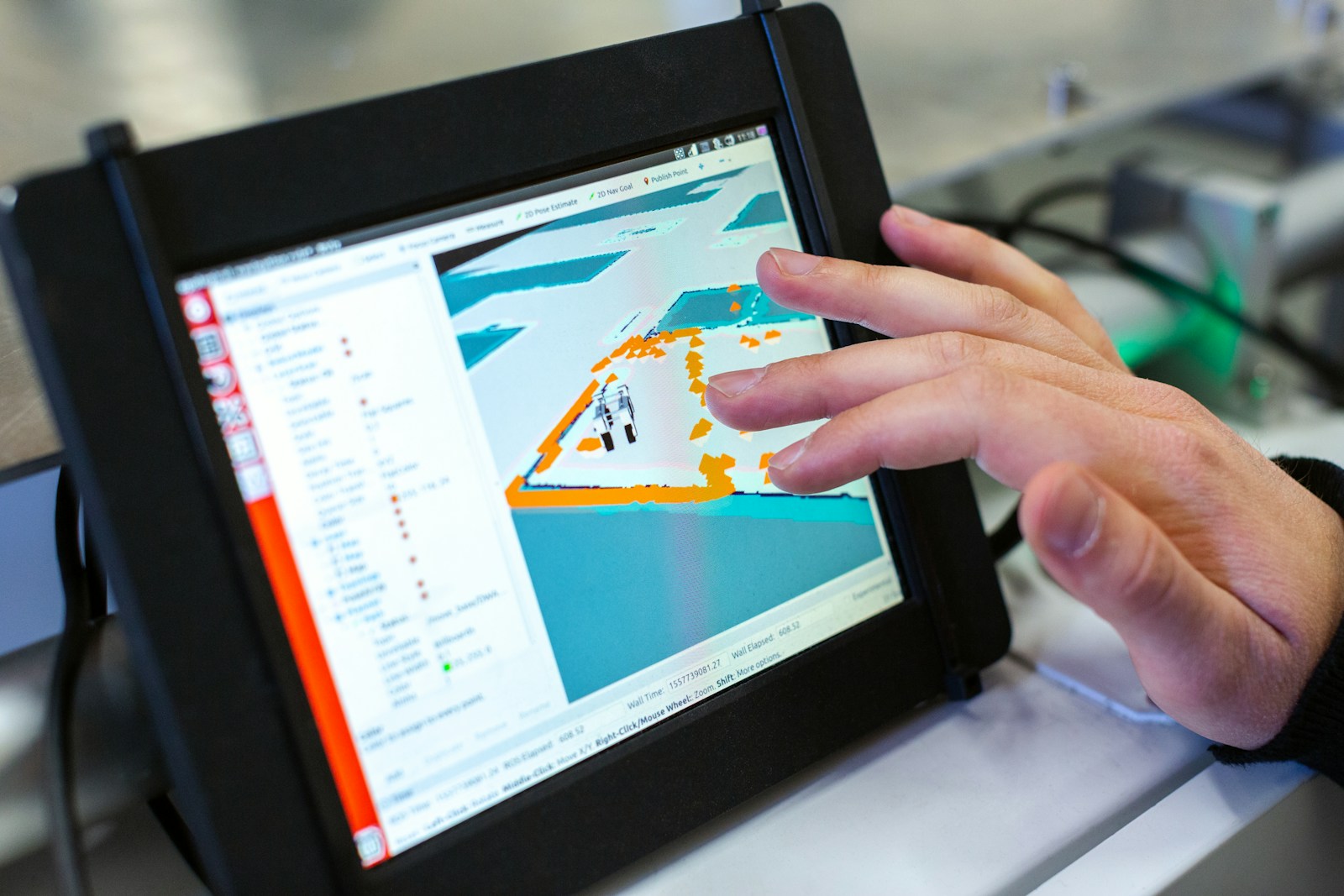
Image Credits: Photo by ThisisEngineering on Unsplash

Noah Nguyen is a multi-talented developer who brings a unique perspective to his craft. Initially a creative writing professor, he turned to Dev work for the ability to work remotely. He now lives in Seattle, spending time hiking and drinking craft beer with his fiancee.