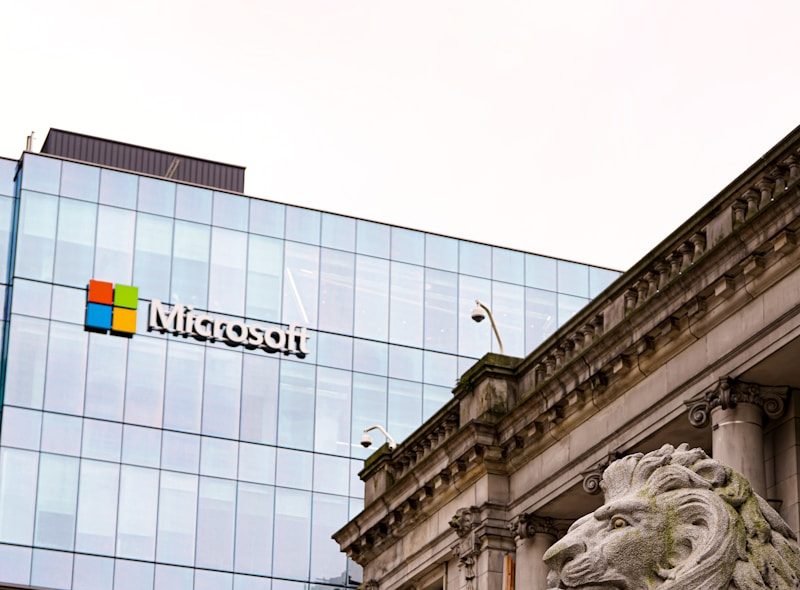
Microsoft has announced another round of layoffs, affecting approximately 9,000 employees across various teams, geographies, and levels of experience. This marks the latest in a series of workforce reductions at the tech giant this year, following cuts of around 6,000 employees in May and at least 300 more in June. A Microsoft spokesperson stated that the company is implementing necessary organizational changes to best position itself for success in a dynamic marketplace.
The layoffs coincide with the start of Microsoft’s 2026 fiscal year, a time when the company typically unveils structural changes. Despite the layoffs, Microsoft remains financially strong, reporting nearly $26 billion in net income on $70 billion in revenue for the March quarter. Executives have projected about 14% year-over-year revenue growth for the June quarter, driven by expected expansion in Azure cloud services and corporate productivity software subscriptions.
Microsoft layoffs and AI changes
The news has triggered an emotional response from former and current employees. Ned Pyle, a former Microsoft staffer, expressed his disbelief on the Bluesky social media platform, while current employees, particularly those in the Xbox division, have expressed their fears and concerns.
Microsoft asserts that the layoffs are part of optimizing its operations and making necessary changes to position the company for success. However, some observers are skeptical, suggesting that the company is cutting jobs to fund its AI initiatives rather than because AI is replacing employees. The layoffs at Microsoft are part of a broader trend of workforce reductions among major companies in 2025 as they adapt to shifting economic conditions and strategic objectives.
It remains to be seen how these changes will impact the company’s future and the lives of those affected by the layoffs.

Senior Software Engineer with a passion for building practical, user-centric applications. He specializes in full-stack development with a strong focus on crafting elegant, performant interfaces and scalable backend solutions. With experience leading teams and delivering robust, end-to-end products, he thrives on solving complex problems through clean and efficient code.