In 2025, restaurants will continue to adopt new restaurant technologies to streamline processes, minimize manual tasks, and enhance service speed. As customer expectations change and the cost of operations increases, it has become necessary to maintain efficiency. This technology is no longer a luxury for restaurants that know how to stay competitive in the fast-paced market. The kitchen and front of house can be optimized for the last technician with the right tools, helping them be more productive without compromising service.
The principles on which efficiency in the restaurant industry is founded are clear communication, careful execution, and timely delivery. This is facilitated by new restaurant technologies that have automated routine tasks as well as offering real-time comments to improve the integration of various business departments. These advancements, whether by eliminating order mistakes or preparing food faster, will lead to an easier operation and overall customer satisfaction.
Automation In Order Management
The current POS systems in restaurants have, in essence, become very fundamental in order management. These systems go far beyond processing payments. They bridge the gap between the front and back of the house and send orders to the kitchen automatically, minimizing possible failures related to miscommunication or human error. Such direct connection also means that the kitchen staff can get clear and proper instructions, which will accelerate the process of food preparation and improve accuracy.
Besides improved communication, the restaurant point of sale helps in monitoring the popularity of items, stock levels, and sales trends. Managers have the ability to make informed decisions by accessing real-time data, thereby ensuring that the kitchen is always prepared to meet demand. The robotization of the zone enables employees to spend less time on administration and gives them the opportunity to concentrate on customer service and kitchen operations.
Real-Time Kitchen Coordination
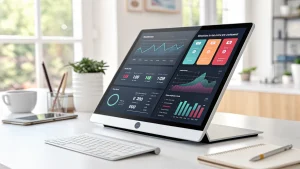
One of the most effective technologies that enhances efficiency in kitchen technologies is the kitchen display system. This type of digital interface eliminates the use of manual paper tickets and instead uses the screens that kitchen employees can see. By prioritizing prep time and table number, it keeps its orders in order so that chefs and line cooks can align their efforts during a busy shift.
With the kitchen display system, the lingering of verbal communication is also curtailed, and there is assurance that dishes are being prepared and sent accordingly. The result of this is increased service speed, reduced errors, and food losses. The visual clarity is effective in the kitchen where staff can be better coordinated with each other, especially in busy operations.
Inventory And Supply Chain Control
The inventory management program has become even smarter in 2025, and now restaurants can check the amounts of their ingredients, forecast how much should be ordered, and have the option to order items automatically. The systems alleviate wastage by noting down overstock or unused items and make vital ingredients readily available. The controlled costs ensure tighter control over costs in restaurants, saving through the avoidance of over-buying and wastage.
Along with monitoring the stock, most of these systems come along with supplier performance reports, price trends, and utilization reports. Restaurant management will be better positioned to strike deals, design menus using available ingredients, and respond swiftly to supply chain issues. Such visibility and control increase the total efficiency of the kitchen and avoid expensive delays.
Employee Scheduling And Task Management
Scheduling employees may prove to be time-consuming, and it may be difficult to use the same staff in a restaurant where the labor requirements change quite often. Cloud-based scheduling, the best-known example, currently offers managers the opportunity to develop effective work schedules by using predicted traffic, worker availability, and historical performance data. Employees will also be in a position to view real-time schedules and make requests or shift swaps without mixing them up.
Task management tools, along with scheduling, help managers delegate tasks daily and monitor progress. This can be in terms of opening tasks, cleaning tasks, or preparation work; these online sites guarantee responsibility and continuity. Effective task management leads to improved coordination within the team and increased shift productivity.
Table And Order Tracking
There has been an advancement in restaurant technologies tracking table status and the progress of orders. Waiters and servers can now see in real-time which tables are full, how long the client has been waiting, and the approximate time food will arrive. This knowledge enables them to pace the service better; females happen to wait less because of the accuracy of the prediction of the time they are likely to wait, and the table turns more quickly.
Order tracking is also useful in the kitchen in catching up delayed tickets or by alerting staff that there is an order in the queue. Such notifications help manage time more effectively and prevent minor delays from escalating into major ones. These tools enhance both client and internal efficiencies by synchronizing the flow in the front-of-house operation with the flow in the kitchen, thereby improving customer satisfaction.
Customer Engagement And Feedback Systems
Customer-facing restaurant technologies have also evolved to support operational efficiency. Menus on the tablets, self-service kiosks, and mobile ordering points decrease the pressure on the waiters and expedite the ordering procedure. The customer is also able to browse the menu at their own pace through the use of these tools, which also results in low levels of questions and quick decision-making.
Feedback systems, which typically accompany the restaurant POS system, enable customers to share their experiences in real-time. Within a matter of time, managers are able to quickly identify service gaps and then undertake corrective measures, in most cases, in the same shift. This real-time feedback plays a crucial role in enhancing the service and serves as a motivator for staff performance.
Analytics And Performance Monitoring
Data has become important to restaurants in making operational decisions. Advanced analytics platforms collect the following information: the restaurant point of sale system, kitchen display system, and inventory tools. These lessons guide managers in identifying patterns, staffing up or down, changing menus, and becoming more efficient over time.
Another feature of performance monitoring tools is that they also monitor the productivity of individual employees, ticket times, and customer satisfaction. As restaurants understand more of what is good and what should be improved, they will be able to use this to make specific changes that can make operations more efficient and minimize inefficiencies without having to run it through trial and error.
Conclusion
By 2025, a combination of intelligent systems and strategic integration will help restaurants work efficiently. The counterparts of kitchen and front-of-house coordination rest on technologies like kitchen display systems and restaurant POS systems. Inventory management software, employee management systems, and data analysis also help to operate seamlessly and make wise decisions. Restaurants keep adjusting to the increase in demand and intricate issues, and to stay afloat, it is important to embrace and utilize the appropriate restaurant technologies.
Photo by Jason Leung; Unsplah

A seasoned technology executive with a proven record of developing and executing innovative strategies to scale high-growth SaaS platforms and enterprise solutions. As a hands-on CTO and systems architect, he combines technical excellence with visionary leadership to drive organizational success.