Packaging of trial materials in the world of clinical research is more than a convenient packaging or an aesthetic value; rather, it is a crucial element to the safety, integrity, as well as compliance of the investigational product. These clinical trial packaging methods affect the stability, tracking, and security of such materials, thereby determining the authenticity of trial outcomes and the safety of trial subjects.
Whether it is temperature-sensitive biologic products or any other dosage form like oral solid dosage, each type of product presents unique issues of clinical trial packaging. We discuss best practices that will assist in ensuring regulatory compliance, safeguarding the quality of its products, and facilitating logistics.
What is The Role of Packaging in Clinical Trials
Pharmaceutical plastic packaging may serve many important roles in clinical trials: to ensure products are not physically damaged and are not affected by the surrounding environment or contaminated; to comply with regulatory or legal requirements; and to enable trial materials to be both identifiable and traceable. Clinical trial packaging should not be branded or designed to appeal to consumers, unlike commercial packaging, but rather be functional, safe, and accurate.
Temperature Control and Cold Chain Management
Clinical trials are increasing, with almost 2000 trials conducted in China in 2023. Most clinical trials typically involve materials that require strict temperature control, as they may be biological products, vaccines, or small-molecule drugs. At this point, the cold chain management comes in, which is the maintenance of an uninterrupted temperature-controlled supply chain.
Good things concerning temperature control are:
- Qualified Packaging Systems: Employ qualified insulated shippers and refrigerated containers that have passed validation testing.
- Temperature monitoring: Utilize data loggers or other real-time monitoring systems to ensure consistent temperature control between the clinical trial packaging facility and the trial site.
- Pre-Conditioning: Refrigerants such as gel packs or phase-change materials may require assembly at the right temperature, which should be pre-conditioned.
- Training Personnel: Training logistics and site personnel on proper handling of packaged drugs is crucial to prevent excursions caused by improper handling.
Any break in the cold chain could interfere with the stability of a product, which could pose risks to the integrity of the trial as well as to the safety of the patients.
Tamper-Evidence and Security Measures
Tamper-evidence clinical trial packaging ensures the authenticity of clinical trial materials and reassures regulatory authorities, investigators, and participants that their products have not been tampered with. Particular attention should be paid to the items of high value or controlled substances, including their diversion, theft, or forgery.
Some good tamper-evident and security measures are:
- Seals and Indicators
- Track-and-Trace Technology Barcodes, QR codes, or RFID tags
- Controlled Access
- Secondary Packaging
Such activities not only safeguard the product but also aid in ensuring that Good Distribution Practices (GDP) are being followed.
Labeling and Documentation
Proper, government-compliant labeling is a by-product of clinical trial packaging. Labels should present very important information whilst remaining blind in areas where it is necessary. They should respond to the rules of the trial and comply with the regulatory requirements and which differ between countries.
The ideal practices to be followed in labeling are:
- The information should be precise, with no shadows; state the product name or code, batch number, expiry date, storage conditions, and mention unique subject identifiers as necessary.
- Multilingual Labels
- Regulatory Compliance
- Strong Documentation
Such an occurrence can lead to labeling mistakes that can cause serious delays to the trials, recalls, or regulatory fines, so this step is important.
Customization for Specific Trial Needs
Each clinical trial will have unique requirements, and pharmaceutical packaging should be tailored accordingly. The customizations may increase efficiency and compliance, while also reducing waste.
Customization examples are:
- Dosing Kits: The creation of patient-specific Kits that contain all the necessary doses and ancillary supplies.
- Elastic Quantities: The variable pack sizes are adjusted according to the rate of enrollment of sites.
- Special Formats: Packaging as a way of facilitating special routes of administration (e.g., pre-filled syringe, inhalers).
- Environmental Protection: Applying moisture, light, or oxygen protective characteristic features.
Improvisation among the sponsors, packaging vendors, and logistic partners, such as Utz, would be significant in coming up with solutions to fulfill clinical and operational needs.
Risk Management and Contingency Planning
Clinical trials take place in a complicated scenario whereby any of the following can happen: delays, temperature excursions, and logistical issues. Risk management involves incorporating contingencies into clinical trial packaging approaches to address anticipated problems.
The options of risk mitigation can entail:
- Duplication of Supply: Create additional sets or stocks to replace lost or damaged ones.
- Backup carriers: Seek alternative logistics routes to mitigate disruptions by identifying backup carriers or routes.
- Emergency Response Procedures: Have well-laid procedures for dealing with deviations, such as calling the regulatory bodies in case there is a necessity.
- Stress-Testing: Devise worst-case scenarios of failure to test against the resilience of the packaging.
A good contingency plan will limit the possibility of trial disruptions and safeguard schedules as well as data integrity.
Final Thoughts
Clinical trial materials are an extremely specific practice that balances regulatory requirements, product security, and precision in movement. Whether it is temperature stability or strong security measures, each aspect of the clinical trial packaging process will determine the success of a trial. Investing in the best practices enables sponsors to guarantee not only the integrity of the product but also that investigational materials will get to the right place, in the right condition, at the right time.
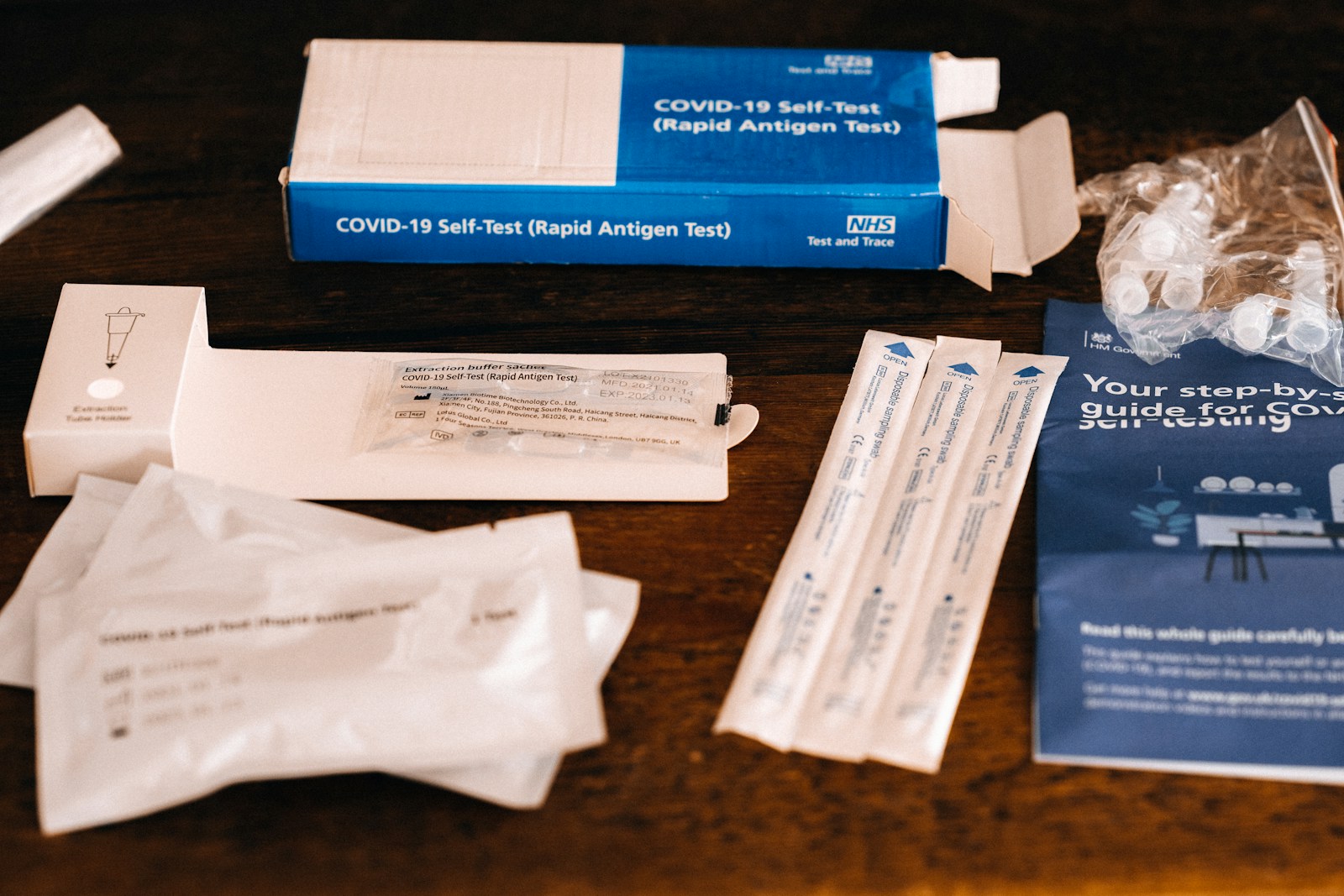
Photo by Annie Spratt; Unsplash

Kyle Lewis is a seasoned technology journalist with over a decade of experience covering the latest innovations and trends in the tech industry. With a deep passion for all things digital, he has built a reputation for delivering insightful analysis and thought-provoking commentary on everything from cutting-edge consumer electronics to groundbreaking enterprise solutions.