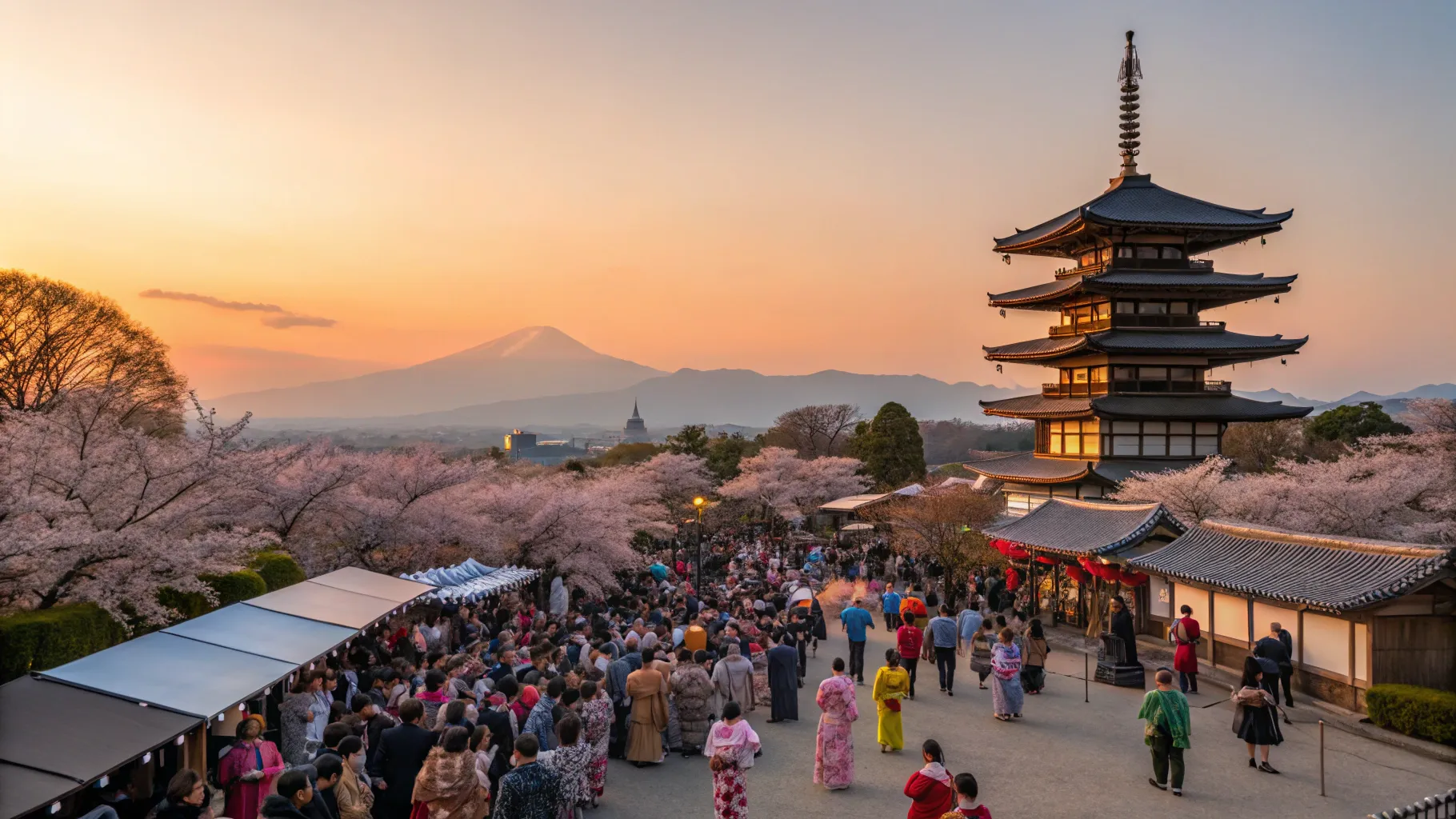
The Horizon Festival is heading to Japan, marking a major shift for one of the most followed cultural events of its kind. Organizers signaled the move with a simple message: who is the festival brand, what is an expansion, where is Japan, and why is to reach new audiences and venues. The decision sets the stage for fresh partnerships, tourism activity, and a test of how large-scale events adapt to a new setting.
Background and Context
The Horizon Festival has built a following by pairing large crowds with music, art, and street culture. Its previous editions drew interest from fans who travel to experience live performances and pop-up installations. Moving to Japan taps into a country with a strong live-events market and deep traditions in design, technology, and youth culture.
Japan has hosted major cultural gatherings for decades, from neighborhood matsuri to arena-scale concerts. Cities like Tokyo, Osaka, and Yokohama can support high-capacity venues, advanced transport links, and strict safety standards. That infrastructure could prove important as organizers plan staging, transit, and crowd management.
What the Move Could Mean for Cities
Local officials and businesses often watch these announcements closely. Large festivals can drive hotel bookings, restaurant traffic, and retail sales. They also create temporary jobs in security, stage production, and logistics. At the same time, residents may raise concerns about noise, traffic, and waste.
Event planners in Japan typically coordinate with city agencies months in advance. Permits, emergency routes, and neighborhood notices are standard steps. The festival’s success will likely depend on early communication, clear schedules, and predictable transport plans around venue hubs.
- Transit capacity near the main stage and secondary sites
- Noise controls and curfews negotiated with local wards
- Waste sorting and recycling in line with municipal rules
- Contingency plans for severe weather
Industry Perspectives and Expectations
Promoters view Japan as a stable market with global reach. International lineups often sell well when paired with Japanese headliners and local creators. Brands may also see value in on-site activations, limited merchandise, and digital tie-ins. These deals help fund stages, lighting, and security.
Community advocates stress that ticket pricing and access matter. They argue that student discounts, free daytime zones, and local vendor stalls can share benefits. Organizers who build programs with nearby schools and arts groups often report stronger support and repeat attendance.
Programming and Partnerships
While headliners were not named, the format usually blends live sets, interactive art, and auto or street-style showcases. In Japan, that could mean collaborations with design studios, indie labels, and custom shops. Pop-up galleries and maker workshops fit well with the country’s craft traditions.
Digital engagement will likely be a focus. Livestreams, AR filters, and mobile schedules can help global fans follow along. For attendees, real-time maps and queue updates reduce wait times and crowding.
Logistics and Safety
Japan’s event codes emphasize clear exits, medical tents, and trained staff. Festival teams typically run drills with police and fire services before opening. Crowd flows between main and side stages require timed sets and one-way paths during peak hours.
Weather plans are essential. Typhoon season can disrupt transport and outdoor stages. Temporary structures must meet wind ratings, and communication should be ready for quick changes to schedules.
Audience Reaction and Market Risks
Fans on social platforms are already speculating about venues and dates. Some welcome new travel options and local flavor. Others warn about ticket demand and resale issues. Clear rules on resale and phased ticket releases can reduce frustration.
There are also cost pressures. Currency swings, equipment shipping, and staffing can strain budgets. To manage this, organizers often lock in local suppliers and negotiate group hotel rates early.
The announcement, summed up in the message “The Horizon Festival comes to Japan,” signals a high-profile entry into a mature events market. The coming months will reveal cities, dates, and the size of the build. The key tests will be pricing, neighborhood relations, and safety planning. If those pieces hold, Japan could become a repeat stop and a model for future editions. Watch for venue details, lineup reveals, and how the team addresses ticketing and transport—issues that will shape both the fan experience and the festival’s long-term standing.

A seasoned technology executive with a proven record of developing and executing innovative strategies to scale high-growth SaaS platforms and enterprise solutions. As a hands-on CTO and systems architect, he combines technical excellence with visionary leadership to drive organizational success.