
15 Tips to Create a Positive Customer Experience for Service Interactions
Exceptional customer service extends far beyond problem-solving. Creating positive customer experiences requires treating each interaction as a partnership built on trust and genuine attention to concerns. We asked industry experts to share one thing they do to create a welcoming and positive environment for customers during service interactions — and how this contributes to a better overall experience. Discover how to transform ordinary support interactions into opportunities for customer enablement and relationship building.
- Listen First Before Technical Diagnosis Begins
- Prioritize Clear Communication From First Contact
- Begin With Empathy Rather Than Efficiency
- Demystify Complex Problems With Clear Explanations
- Support Customers In Their Native Language
- Provide Anticipatory Updates During Service Process
- Demonstrate Genuine Attention To Customer Concerns
- Paraphrase Problems To Show True Understanding
- Empower Customers Beyond Fixing Problems
- Treat Every Interaction As Partnership Start
- Add Personal Touch To Every Interaction
- Take Time To Establish Trust
- Focus On Customer Enablement Not Service
- Start With Active Listening Before Solutions
- Maintain Consistent Tone Throughout Customer Journey
Listen First Before Technical Diagnosis Begins
I make it a point to listen first and diagnose second — customers know their cars better than anyone. When someone comes in describing a weird noise or vibration, I grab a notepad and ask them to walk me through exactly what they’re experiencing before I even pop the hood.
Just last month, a customer mentioned steering wheel vibration that another shop had “balanced away,” but the problem persisted. Instead of dismissing their concern, I suggested we check for bent wheels — something the previous shop missed entirely. We found two damaged wheels, fixed the real issue, and now they’re a regular customer.
This approach has generated measurable results for us. About 60% of our business comes from repeat customers and referrals, which tells me people appreciate being heard rather than rushed through a diagnosis. One customer drives from Chapel Hill specifically because, as she puts it, we actually listen to what’s wrong instead of just running through a checklist.
The key is treating every customer concern as valid, even when it seems minor. That tire bubble we spotted during a routine alignment saved someone from a potential blowout, and they’ve been recommending us ever since.
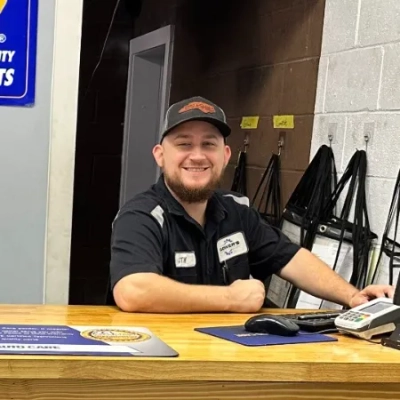
Prioritize Clear Communication From First Contact
We understand that inviting a technician into your home can feel a bit daunting for many customers. That’s why creating a welcoming and positive environment during our service interactions is one of our top priorities. As the CEO and founder, I believe that fostering trust and transparency starts the moment we engage with our clients.
One key aspect of our approach is communication. We ensure that from the first phone call, our customers feel heard and understood. Our team takes the time to listen to their concerns and explain the HVAC issues in a clear, jargon-free manner. For instance, if a homeowner is experiencing a furnace issue, we don’t just send a technician; we provide them with a detailed overview of what to expect during the visit, including a timeline and any potential solutions. This way, they feel informed and empowered throughout the process.
Moreover, our technicians are not just skilled HVAC professionals; they are also trained to be personable and respectful. When they arrive at a customer’s home, they take a moment to introduce themselves and explain what they will be doing. This small gesture goes a long way in making our clients feel more comfortable. For example, if we’re performing maintenance on an air conditioner, our technician might share insights about the system’s performance and suggest ways to improve efficiency. This not only educates the homeowner but also demonstrates our commitment to their long-term comfort.
We also emphasize cleanliness and respect for our customers’ space. Our technicians arrive with shoe covers and ensure that work areas are kept tidy. This attention to detail reflects our belief in treating every home as if it were our own. When customers see that we prioritize their environment, it builds a sense of respect and trust.
Ultimately, these practices contribute to a better overall experience by minimizing anxiety and maximizing trust. When customers feel valued and informed, they are more likely to engage with us for future needs and recommend us to friends and family. At ALP Heating, we are proud to be a family-owned business, and our approach reflects the care and dedication we have for our community in the Greater Toronto Area. Knowing that we can provide peace of mind through our services is what drives us every day.

Begin With Empathy Rather Than Efficiency
Something that I always try to do in our customer service is starting with empathy instead of efficiency. It does take a little longer, but the payoff is huge. When a parent or a student calls us, we train our support team to start not with a script but instead with things like, “How are you doing today? I’m sorry this occurred. Can you tell me exactly what’s confusing you?”
This is a moment that stands out. A parent called and was frustrated because her child was having trouble keeping up with deadlines in a self-paced cohort. Our support person didn’t simply present her with resources; she took time to learn about the family’s schedule. She found out that the scheduling issue was due to time zone mismatches and overlapping obligations. Diligently and compassionately, she moved beyond simply addressing the deadline issue; she helped the parent redesign her child’s study schedule, set small check-in reminders, and connected the student with a peer study group to bolster their social support. When we ended the call, the parent said, “I feel like Legacy actually cares versus just responds.”
That kind of service improves things in three ways: it builds trust, reduces future tension, and turns angry moments into loyalty. We’ve seen parents linger longer, escalate less, and often become our most vocal advocates. If there’s one insight I’d share, it is this: in online education, people often worry about feeling isolated. The small acts of connection in service — listening, adjusting, offering that peer link — make people feel rooted. And rooted customers don’t just stay, they grow with you.

Demystify Complex Problems With Clear Explanations
A way we put customers at ease is by demystifying a problem from the outset. Many customers approach us confused or frustrated, either due to being turned down previously or bewildered by the financial terminology of their claim. We take pride in removing that mystique and explaining everything to them in clear and simple terms. The instant gratification of having something so complex explained so simply delivers instant peace of mind that the customer is in the right place.
Instead of viewing each case as a transaction, we view it as a collaboration. Our team takes the time to listen to the customer’s story before leaping to action. That early space for listening not only builds trust but also helps us tailor advice to the individual’s circumstances, which is especially important in finance claims where no two cases are truly identical. Customers quickly recognize they’re not just a file reference. Rather, they’re being taken seriously.
The same openness extends to setting expectations. We’re honest about timeframes, potential outcomes, and obstacles that might occur. By being transparent, we eliminate the uncertainty that can lead to frustration. Customers may not always hear exactly what they hoped for, but they consistently feel respected and informed.
The result is a better overall experience because people feel empowered rather than dependent. When customers know what to expect, and that they have someone advocating on their behalf, it changes the emotional experience. They don’t fear every update. They start celebrating progress.
Building that environment of clarity, respect and partnership doesn’t just make clients happier. It builds long-term trust in our industry. In an area where skepticism can run high, ensuring every customer feels welcome and understood is one of the most powerful tools we have for building credibility and delivering meaningful outcomes.

Support Customers In Their Native Language
One unique strength is that most of our new clients receive onboarding and support in their own language, not just in English. This instantly makes people feel comfortable, valued and understood. We build on that by combining empathy, professionalism and accessibility in every interaction.
Our team greets customers by name, introduces themselves, acknowledges the question and reflects it back to show we have understood. The tone stays friendly, professional and approachable rather than stiff. Even small touches, like a kind closing, help create a positive impression.
We work just as hard to maintain a supportive atmosphere for our staff. When our team feels respected and backed up, they are naturally more patient, empathetic and focused with customers. That internal culture directly shapes the quality of each service interaction.
This approach goes beyond solving problems. It builds trust, reduces frustration and helps turn routine support into genuinely positive experiences that strengthen relationships long after the issue is resolved.

Provide Anticipatory Updates During Service Process
In roofing, most of the clients are tense when they call us — they are concerned about leaks or storm damage. The best way we make ourselves comfortable is with open communication and anticipatory updates. From the initial call, we outline the process, and on the job we keep the homeowner abreast so they are never wondering what’s going to happen.
It comes down to details, but it’s a big help. Most of the anxiety in home repairs comes from uncertainty. When the customer feels informed and listened to, the experience is less intimidating.
Notwithstanding its disruptiveness and loud nature, most homeowners report to us that our friendliness and communication made the experience manageable. The roof at the end of the day matters, but our ability to make people’s lives comfortable during the process matters equally.

Demonstrate Genuine Attention To Customer Concerns
One thing I do consistently is make sure clients know I’m actually paying attention to what they’re saying. I acknowledge what they’re telling me, repeat back their main concerns, and make sure we’re aligned on what needs to happen.
I also make an effort to remember details about how they work — whether they prefer calls or emails, or if they mentioned something personal. It’s not about being their best friend, it’s about treating them like a real person instead of just another account.
This builds trust pretty quickly and makes the whole relationship run smoother. When something goes wrong, they’re more likely to work with you to fix it instead of getting frustrated.

Paraphrase Problems To Show True Understanding
One thing we consistently do to create a welcoming and positive environment during service interactions is to actively listen and then paraphrase the client’s problem in our own words. This isn’t just about hearing; it’s about demonstrating understanding. When a client explains a complex technical challenge, we summarize it back to them, confirming we’ve grasped the core issue and their emotional state. This small act builds immediate rapport and trust, making them feel heard and valued. It contributes to a better overall experience because it sets a collaborative tone, reduces frustration from perceived misunderstanding, and ensures we’re all aligned before moving to solutions, fostering a more positive and efficient interaction.

Empower Customers Beyond Fixing Problems
When interacting with customers, we make it a point to leave them feeling more confident than when they first reached out to us. Rather than simply fixing their issue, we take time to explain how the feature works and provide guidance on how they can use it themselves going forward. This approach helps customers feel both empowered and valued, creating a welcoming atmosphere during our interactions. Beyond just resolving the immediate concern, this practice strengthens their trust in our software and builds a more meaningful relationship with our brand. Customers appreciate understanding the ‘why’ behind solutions, not just receiving quick fixes.

Treat Every Interaction As Partnership Start
We treat every customer interaction as the start of a partnership, not just a transaction. That means listening carefully, being transparent about what we can and cannot solve, and responding quickly. For example, if a customer asks how to set up a workflow in Supademo, we don’t just point them to documentation. We walk them through the process step by step. Taking the time to guide them directly builds confidence and shows we are invested in their success. Over time, that approach turns routine service requests into stronger customer relationships.

Add Personal Touch To Every Interaction
I believe that how a customer feels during a service interaction often matters more or as much as the solution provided for their query. When customers feel heard, respected, and supported, they are more likely to trust the brand and stay loyal to it.
Here’s how we make that happen:
-
Start strong with a personal touch: With a warm greeting and acknowledgment of the customer’s situation, our support agents immediately set a positive tone. Also, small gestures, like using their name or referencing previous interactions, make a big difference.
-
Listen actively: Customers can sense when they’re being rushed. By encouraging agents to pause and fully understand the issue before responding, we make them feel valued.
-
Show real empathy: Beyond saying “I understand,” we train our support teams to connect with the customer’s feelings and context. This means that support agents have to acknowledge customer frustration over a delayed shipment, stress over a billing complexity, or similar issue.
-
Provide clear next steps: We end the conversation with a concise explanation of what happens next. It helps the customer feel confident and reassured that their matter is being handled and will be resolved soon.
Example: In our retail support team, we noticed that customers calling about delayed shipments were often frustrated. By training agents to start with empathy, explain the cause clearly, and offer practical solutions.
As a result, over time, this simple shift transformed repeat callers into loyal customers who appreciated the care and clarity in every interaction. Also, those customers became brand advocates.
Therefore, by fostering a welcoming culture, you can outpace your current CX KPIs and set new standards in customer satisfaction, retention, and revenue growth.

Take Time To Establish Trust
We always take some time getting to know them and letting them get to know us. Service interactions are different from simply checking out at a retail stand — a certain amount of trust has to be established. By taking the time to build that trust at the start, that helps make the entire experience more positive afterward.

Focus On Customer Enablement Not Service
I’ve always felt “customer service” is the wrong term. Service implies you’re fixing something after it’s already broken. It’s reactive. It puts the customer in the passenger seat, waiting for you to arrive.
It’s why we aim for “customer enablement.” Every tech implementation we deliver is built on one premise: to reduce client dependency on us. If a team still needs to log a ticket for every tweak, we’ve failed. If they can self-manage, adapt, and scale without constant intervention, we’ve won.
That flips the dynamic because our customers stop feeling like recipients of service and start feeling like owners of capability. A welcoming environment doesn’t have to mean more smiles or going on a charm offensive. In enterprise transformation, it means giving customers confidence that they can drive without us holding the wheel. That’s not just a service interaction. It’s empowerment.

Start With Active Listening Before Solutions
The first step to create a welcoming service environment involves establishing a positive tone through active listening at the start of each interaction. I allow clients to present their complete challenges before discussing solutions when they contact me for website development or SEO services. The practice of active listening during initial interactions helps clients feel important and valued because service providers avoid rushing into sales pitches.
The practice of active listening during conversations leads to improved customer satisfaction because clients depart with assurance that their opinions received attention and their issues were taken seriously. The initial establishment of trust through this approach creates a positive foundation that simplifies the entire process. The service experience transforms into a partnership when clients understand their goals because they no longer feel like they are being sold to. The establishment of trust between clients and service providers results in better retention rates and increased referrals because customers seek to recommend businesses that demonstrate authentic care for their needs.

Maintain Consistent Tone Throughout Customer Journey
We focus on consistency in every interaction with our customers. From the first conversation to long-term engagement, our tone remains respectful and approachable. Customers notice when a brand maintains the same energy throughout interactions, and it reassures them that their experience will not fluctuate. This consistent approach builds a sense of security and trust that customers value. When they do not need to second guess how they will be treated, they can fully focus on achieving their goals and objectives.
This stability encourages customers to engage more deeply and fosters stronger collaboration. Over time, it leads to more rewarding outcomes for both sides. The most powerful message we convey is that reliability is guaranteed with every interaction. Customers come to understand that they can count on our team and feel confident in pursuing their goals with us.