A new push to shrink MRI technology could move advanced imaging out of hospitals and into clinics, ambulances, and even rural health centers. In a recent interview, the CEO of Chipiron said the young company is taking on the high cost and complexity of MRI machines to make them easier to use and easier to place.
The effort comes as health systems face rising demand for scans and long wait times. The company says it wants to change how and where patients get care. The conversation points to a market ready for simpler, lower-cost imaging that can travel to patients rather than the other way around.
“[We are] tackling one of the most expensive hospital-bound technologies, MRI machines, and [we aim] to make them available anywhere,” the CEO said.
Why MRI Access Is Still Limited
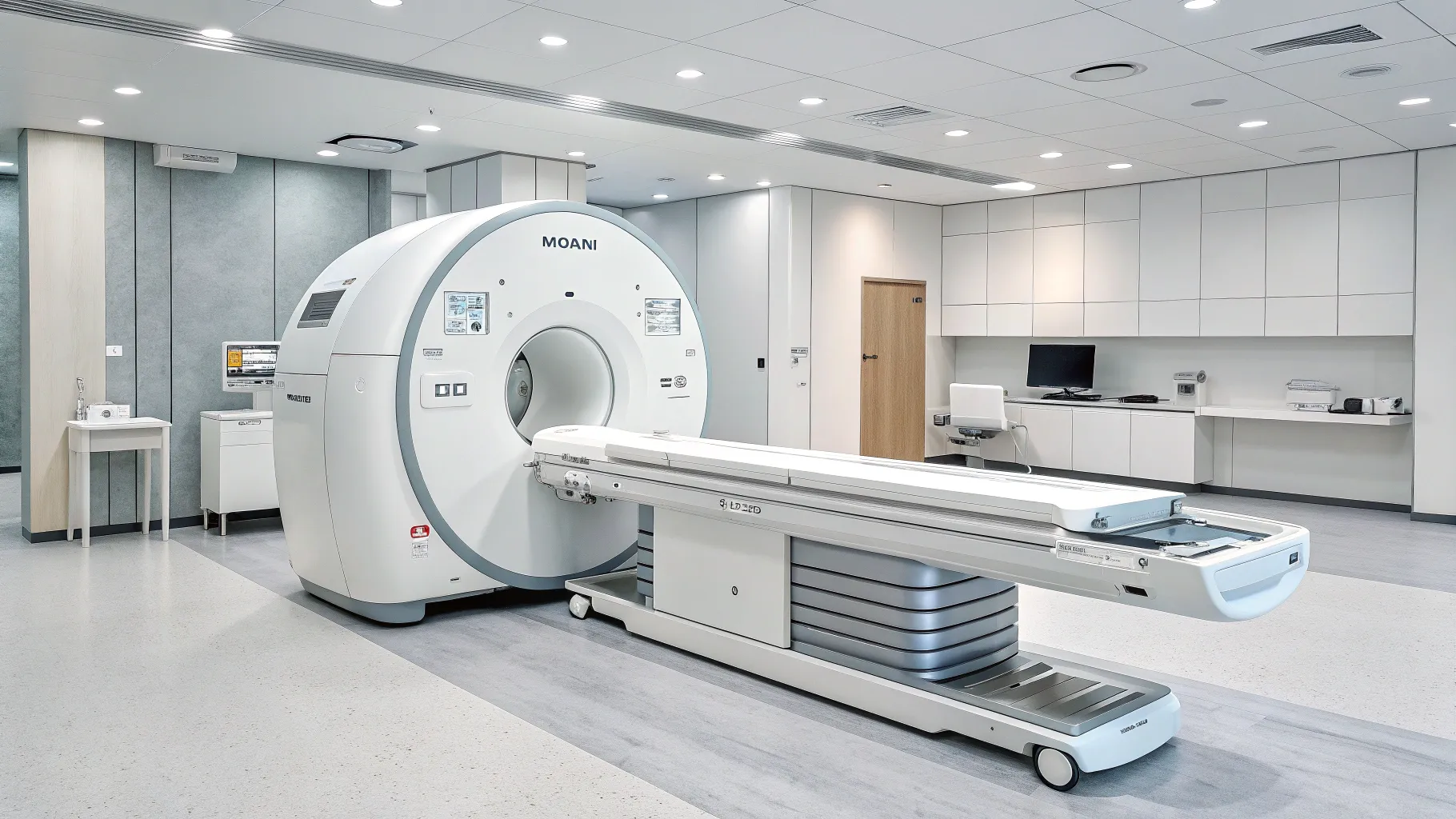
Magnetic resonance imaging is a workhorse for stroke, cancer, joint injuries, and more. But the systems are large and very costly to buy, install, and run. They need dedicated rooms, heavy shielding, and trained staff. Electricity and cooling demands are also high.
Those barriers shape where scanners live. Many sit in big hospitals or wealthy clinics. Patients in rural areas often travel long distances for an appointment. Delays can slow diagnosis and treatment. Lowering the footprint and price could help bring scans closer to where people live.
A Growing Push for Portable Scanning
Interest in portable or point-of-care imaging has grown over the past few years. Handheld ultrasound set the pattern by trading some image detail for speed and access. A similar shift is now underway in MRI. Smaller systems use lower magnetic fields and simpler setups. That can reduce cost and make setup easier.
Some portable MRI systems have already reached the market in select settings, such as intensive care units and emergency departments. Early use cases include bedside neuroimaging and pediatric care where moving a patient is risky. These examples suggest a path for wider use if image quality and clinical value hold up.
Chipiron’s Pitch and the Road Ahead
Chipiron is positioning itself squarely in this move to portable MRI. The company’s stated goal is to expand access by reducing size, cost, and complexity. The CEO argues that bringing imaging to the point of need could ease bottlenecks and cut delays for essential scans.
The idea is simple. The execution is not. Any new MRI product must address real-world needs and meet strict safety and performance standards. Health providers will also ask how a smaller system compares to traditional scanners for common use cases like stroke triage, spine pain, and sports injuries.
Opportunities and Risks for Healthcare Systems
Hospitals and clinics weigh trade-offs when adopting new imaging tools. Faster access and lower costs help patients and budgets. But image quality, diagnostic confidence, and workflow integration are equally important. IT support, training, and service plans all matter.
- Regulatory clearance is required before clinical use.
- Image quality must support clear decisions.
- Total cost includes service, training, and disposables.
- Integration with existing records and PACS is essential.
- Reimbursement policies can speed or slow adoption.
If portable MRI can answer focused questions at the bedside or clinic, it could save time and free up high-end scanners for complex cases. If not, providers may be cautious. The balance will come down to defined indications that match the strengths of smaller systems.
What Experts Will Watch
Clinicians and health economists will look for evidence from trials and pilot programs. They will compare diagnostic accuracy, time to treatment, and total cost of care. Manufacturers will need to show reliability in varied environments, from city hospitals to rural clinics.
Policy makers and payers will study how portable MRI affects access. Wider distribution could help underserved communities. It could also reduce patient transfers and shorten stays if imaging moves closer to the bedside.
Outlook
Chipiron’s message fits a larger push to deliver advanced tools outside traditional hubs. The company’s promise is clear: more MRI access, at lower cost, in more places. Turning that promise into daily practice will require proof on safety, accuracy, and value.
For now, the headline is access. If portable MRI meets clinical needs at a fair price, adoption could spread first in focused areas like urgent neuro care and rural health. The next signals to watch are regulatory milestones, early clinical results, and payer decisions that will shape how quickly these systems reach patients.

Kirstie a technology news reporter at DevX. She reports on emerging technologies and startups waiting to skyrocket.