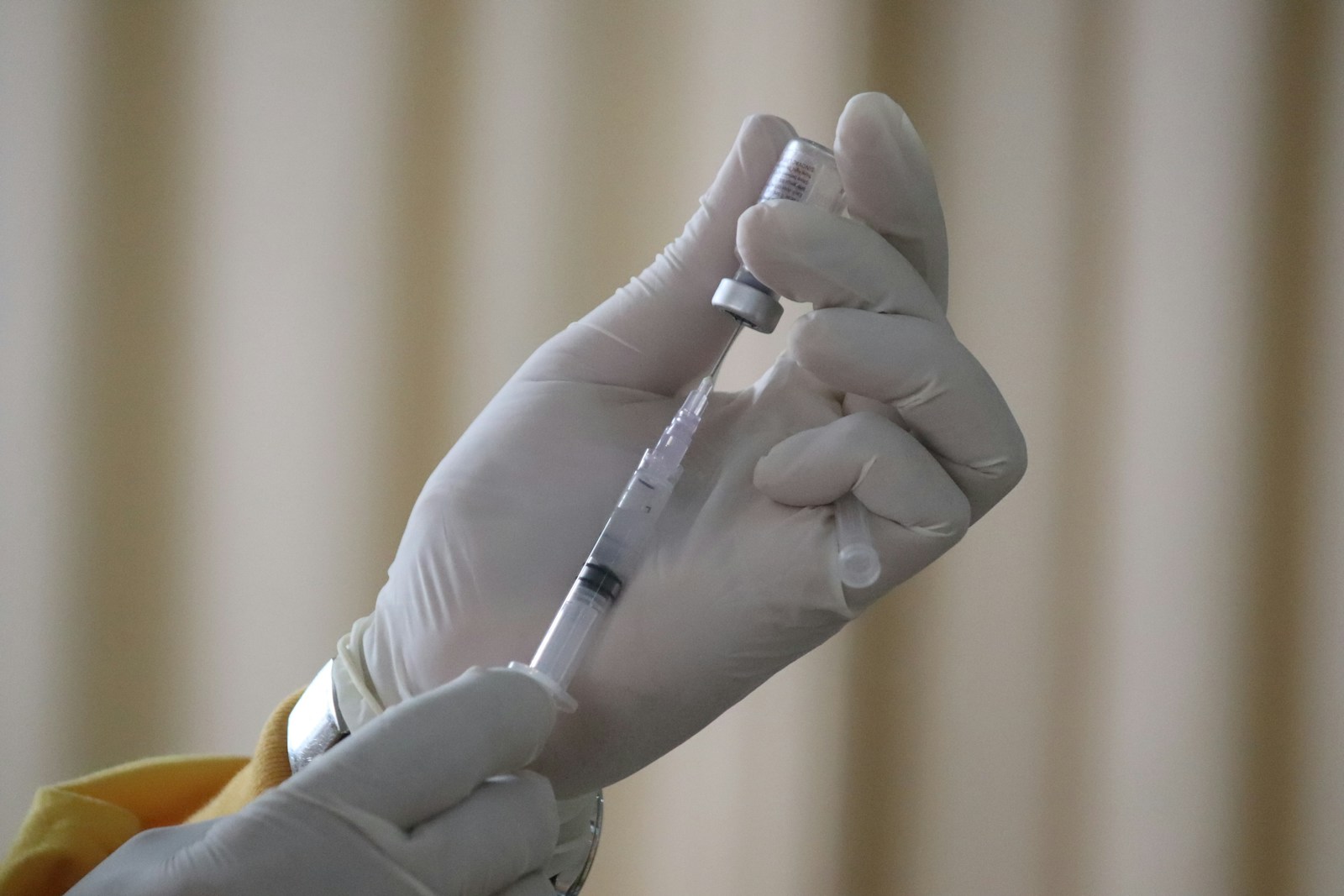
A federal vaccine advisory panel recommended that children under age 4 should not receive the combined measles, mumps, rubella, and varicella (MMRV) shot, steering providers to give separate MMR and varicella doses instead. The Advisory Committee on Immunization Practices (ACIP) issued the advice to the Centers for Disease Control and Prevention (CDC) during a public meeting this week, citing safety data that show a higher risk of fever-related seizures in younger children after the combined shot.
The recommendation does not change the routine schedule for older children. The combined MMRV vaccine remains an option for the second dose at ages 4 to 6. The CDC will review the panel’s vote before updating guidance to doctors and health departments.
What Prompted the Recommendation
ACIP is a group of independent experts that reviews vaccine data and votes on advice for the CDC. Its work shapes which vaccines are recommended, at what ages, and under what conditions. During the meeting, some observers noted confusion among panelists about the committee’s role. One participant summarized the scene as:
“The vaccine advisory group ACIP, not all members of which seemed to know what the group does, recommended to the CDC that combined MMRV shots not be given before age 4.”
Despite the moment of confusion, the panel’s position reflects years of published evidence. Studies have found that the risk of febrile seizures is higher after the first dose of MMRV given to toddlers than after giving MMR and varicella as separate shots. That risk difference is not seen at older ages.
Safety Evidence and Risks
Fever-related seizures, called febrile seizures, can occur in young children when a fever spikes. They can be frightening but are usually brief and do not cause long-term problems. After the first dose at 12 to 15 months, MMRV has been linked to a small but higher added risk of febrile seizures when compared with separate MMR and varicella injections.
CDC-backed studies have estimated roughly one extra febrile seizure for every 2,300 to 2,600 children who receive MMRV as the first dose, compared with separate shots at the same visit. The absolute risk remains low. Still, ACIP has long advised that giving MMR and varicella separately is the safer choice for the first dose in children under 4, unless a parent specifically prefers the combined shot.
For the second dose in the 4 to 6 age range, MMRV does not carry the same increased seizure risk. Many providers use MMRV at that visit to reduce the number of injections.
What This Means for Parents and Providers
The panel’s advice is expected to guide clinicians to favor separate MMR and varicella shots at the first visit, then consider MMRV for the second. That approach may mean one more injection at the first toddler visit, but it aligns with the lowest known risk profile.
- First dose (12–15 months): Prefer MMR + varicella given separately.
- Second dose (4–6 years): MMRV is an acceptable, and often convenient, option.
Pediatricians say clear communication matters. Parents should be told that the overall seizure risk is small, that febrile seizures are usually brief, and that separate shots reduce the risk even further at the first dose.
Balancing Convenience, Supply, and Outbreak Concerns
The combined vaccine can reduce injections and clinic time. That convenience can help during school-entry visits or large vaccination events. But safety signals in the youngest age group have guided the current stance.
The discussion comes as health officials monitor measles flare-ups linked to travel and pockets of low vaccination. High coverage with two doses of measles-containing vaccine remains the best defense against outbreaks. The choice between MMRV and separate shots does not change the need for on-time vaccination.
Different Views Inside the Room
Some panel members stressed simplicity for families, favoring the combined product when feasible. Others focused on minimizing any added risk, however small, during the first dose window. The final advice seeks to balance both: safety first for toddlers, convenience later for school-age children.
The CDC is expected to finalize guidance in the coming weeks. For now, parents can expect providers to offer separate MMR and varicella shots for the first dose and to discuss MMRV for the second. The key takeaway remains steady: complete the two-dose series on time. Officials will watch vaccination coverage and measles activity closely, and they may revisit supply, scheduling, or communication if gaps appear.

Kirstie a technology news reporter at DevX. She reports on emerging technologies and startups waiting to skyrocket.