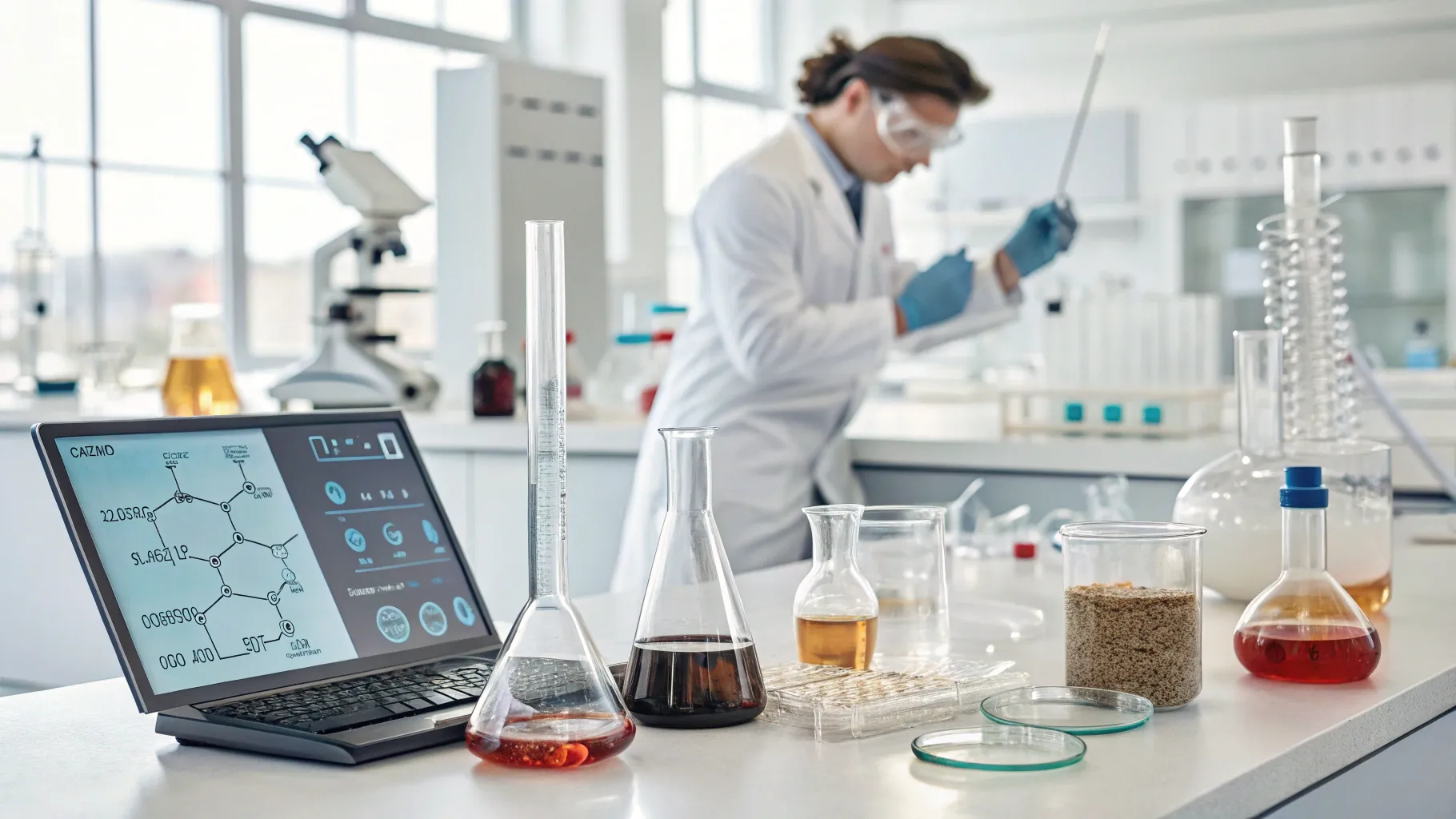
MIT chemical engineers say they have built a machine-learning model that predicts how well a molecule dissolves in an organic solvent, a step that could speed drug development and chemical manufacturing. The advance targets a core hurdle in process design, where solubility drives decisions on formulation, synthesis routes, and purification. The team describes a tool meant to cut trial-and-error work in R&D labs and scale-up facilities.
Background: Why Solubility Drives Decisions
Solubility influences nearly every stage of making a small-molecule drug. It affects how chemists choose solvents for reactions, how they isolate products, and how medicines are formulated. Poor choices can waste time, lower yields, or introduce safety risks. Traditional estimates rely on group contribution methods, thermodynamic models, or extensive lab screening. These approaches can be slow or inaccurate for novel structures.
The group positions machine learning as a way to learn patterns from known solute–solvent pairs and extend them to new molecules. That approach could reduce the number of experiments needed to find a workable solvent system.
What The Team Says The Model Can Do
“Using machine learning, MIT chemical engineers created a computational model that can predict how well a given molecule will dissolve in an organic solvent.”
The stated goal is to guide scientists toward solvent choices with higher odds of success. It also suggests a broader use case in fine chemicals, flavors and fragrances, and materials research.
“This type of prediction could make it much easier to develop new ways to produce pharmaceuticals and other useful molecules.”
How It Could Change R&D and Manufacturing
Reliable solubility forecasts could shift early-stage work from broad screening to targeted testing. That saves material, labor, and time. In manufacturing, better predictions can help design crystallization steps, choose antisolvents, and tune temperature profiles to hit yield and purity targets.
- Fewer failed solvent screens during route scouting.
- Faster scale-up, with fewer late-stage surprises.
- Opportunities to replace hazardous solvents with safer options.
- Lower costs from reduced rework and waste.
Pharmaceutical teams often face tight timelines between lead selection and clinical supply. A tool that narrows solvent choices can compress those schedules. It can also support greener chemistry by flagging viable alternatives to common high-impact solvents.
Balancing Promise With Practical Limits
Machine-learning models depend on training data. Their accuracy can drop with exotic molecules, rare functional groups, or under-sampled solvent classes. Process conditions also matter. Temperature, impurities, and polymorphs can shift solubility in ways that are hard to capture.
Engineers will still need experiments to confirm model picks and to map out process windows. The strongest use case is decision support: rank options, design smarter tests, and avoid dead ends. Linking the model with property data such as viscosity, boiling point, and safety limits could make it even more useful in plant settings.
Industry Impact and Use Cases
Drug makers could deploy the tool during lead optimization to prioritize candidates with workable solubility profiles. Contract manufacturers might apply it to speed technical transfers. Academic labs could test unconventional solvents for tough separations without heavy screening.
Beyond pharmaceuticals, formulators in coatings and adhesives often balance performance with regulatory pressure on solvents. A predictive model can help identify blends that meet performance and compliance goals. Materials scientists working on organic electronics could use it to control film quality through tuned solvent systems.
What To Watch Next
Key questions include how well the model handles large, flexible molecules and charged species, and whether it can generalize to solvent mixtures. Validation against independent datasets and blind tests will matter for trust. Integration into common cheminformatics workflows could drive adoption.
If results hold in real projects, the model may cut weeks from process design and reduce solvent use. That would mean faster development cycles and lower environmental impact. It would also give chemists more confidence when exploring less familiar solvent spaces.
The promise is straightforward: better predictions, fewer failed experiments, and cleaner production routes. The next phase will show how this tool performs at scale and how quickly teams build it into daily practice.

A seasoned technology executive with a proven record of developing and executing innovative strategies to scale high-growth SaaS platforms and enterprise solutions. As a hands-on CTO and systems architect, he combines technical excellence with visionary leadership to drive organizational success.