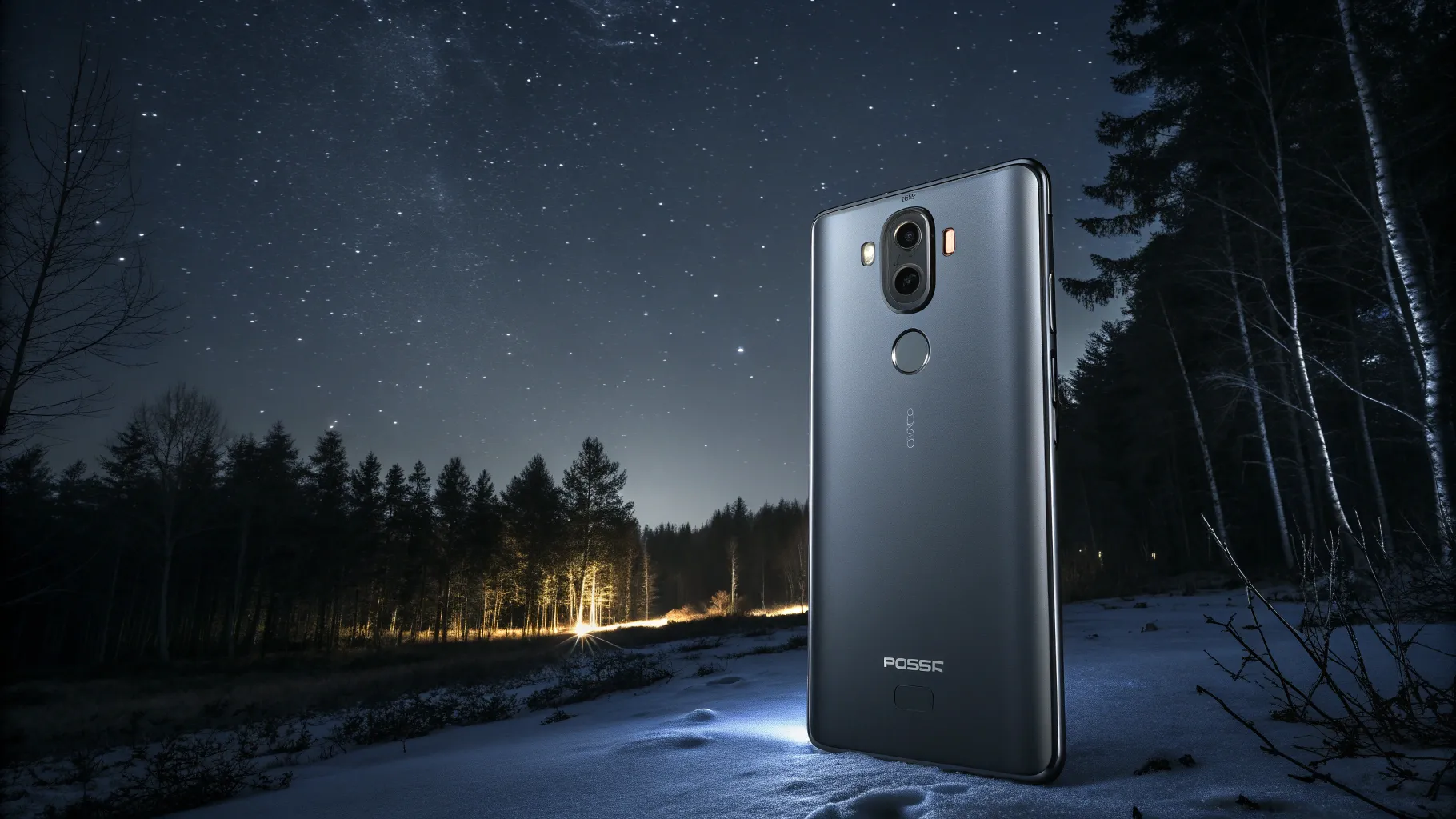
A new rugged smartphone is challenging dedicated gear built for after-dark viewing. Fossibot has launched the F113, a device the company says outperforms rivals in night vision range and clarity.
Unveiled recently for the global market, the F113 targets users who need visibility in low light. The company argues it can match or even exceed specialty devices, while still serving as a daily phone.
“There are a bunch of dedicated devices that literally lift the veil of darkness to reveal a secret nocturnal world. Some rugged phones can do this too, but Fossibot reckons that none have the reach and clarity of its recently launched F113.”
Night Vision Moves From Niche Gear to Phones
Night vision has long belonged to security, wildlife research, and outdoor sports. Dedicated monoculars and cameras rely on infrared systems to capture scenes that human eyes cannot see. In recent years, rugged Android phones entered that space with integrated infrared sensors.
These handsets promise one-tool convenience. Users can shoot video, communicate, and navigate with a single device. For workers on job sites, hikers, or night photographers, the proposition is simple: fewer devices to carry and charge.
Industry watchers say demand is steady in sectors like construction, logistics, and emergency response. For consumers, the draw is curiosity and safety, from spotting wildlife on a trail to checking a dark driveway.
Fossibot’s Pitch: Reach and Clarity
Fossibot’s core claim is better range and cleaner images in dark scenes. The company frames the F113 as a step up from rugged phones that added night vision as an extra feature rather than a core strength.
While technical details were not disclosed in the announcement, the emphasis on “reach and clarity” points to two likely areas: sensor sensitivity and infrared illumination. More powerful IR emitters can light a scene farther out. A higher quality sensor and tuned processing can reduce noise and improve sharpness.
How much better is “better” will depend on controlled tests. Night vision performance varies with ambient light, weather, and the color and reflectivity of subjects. Fog, rain, and dust can cut effective range quickly.
Use Cases and Limits
The most compelling cases for a night vision phone combine field work with communication needs. Having a single device can save time and weight, especially for teams that already rely on mobile apps.
- Security patrols and property checks
- Wildlife observation and trail monitoring
- Search and rescue support in low light
- Utility inspections in dark or enclosed spaces
However, dedicated optics still hold advantages in lens quality, sensor size, and battery stamina for continuous IR use. Long sessions can drain a smartphone faster, and heat can degrade image quality. Eye safety and privacy guidelines also apply when using IR illumination near people or reflective surfaces.
Competitive Field Heats Up
Fossibot joins a competitive group of rugged phone makers that have promoted night vision features in recent product cycles. Many pitch shock resistance, large batteries, and thermal or IR sensors as headline features.
Analysts expect a split market. Power users and professionals may continue to buy dedicated devices for mission-critical work. Casual users and budget-conscious teams may favor a rugged phone that is “good enough” while handling calls, maps, and documentation.
Price, durability certifications, software support, and accessory options will influence adoption. A capable camera suite is only part of the story if updates and service lag behind.
What To Watch Next
Independent testing will decide whether the F113’s claims stand up. Side-by-side comparisons in controlled dark scenes can measure range, noise, and focus accuracy. Battery tests with IR on will show real-world endurance.
Privacy rules are another factor. Regions differ on the use of night vision around homes and public spaces. Clear guidance from manufacturers and responsible use by owners will shape public acceptance.
If the F113 delivers on clarity and distance, it could push competitors to invest in better sensors and software. If not, it may still pressure prices and broaden access to night vision across midrange rugged phones.
For now, Fossibot’s message is direct and bold: night vision that belongs on a phone and not just in a gear bag. The next few months of reviews and field reports will show whether the F113 lives up to that promise.

Kirstie a technology news reporter at DevX. She reports on emerging technologies and startups waiting to skyrocket.