Hennion & Walsh Asset Management’s president and chief investment officer, Kevin Mahn, is steering attention to an AI-fueled spending wave and the sectors set to benefit. In a recent discussion, he outlined why capital tied to artificial intelligence is flowing into power systems and defense, and how those trends may shape markets heading into 2026.
His focus comes as companies scale data centers, chip production, and network capacity worldwide. Policymakers are also boosting defense budgets amid geopolitical tension. The mix could drive capital spending and set the tone for equity leadership over the next two years.
Why AI Infrastructure Is Pulling In Trillions
Rising interest in generative AI is driving a new buildout of physical assets. That includes chips, advanced packaging, cloud data centers, fiber networks, and power capacity. Several banks and consultants have pegged the total build cycle in the trillions of dollars over the decade, spread across semiconductors, construction, and utilities.
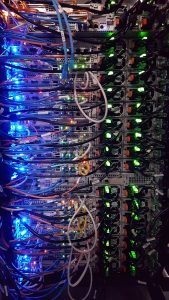
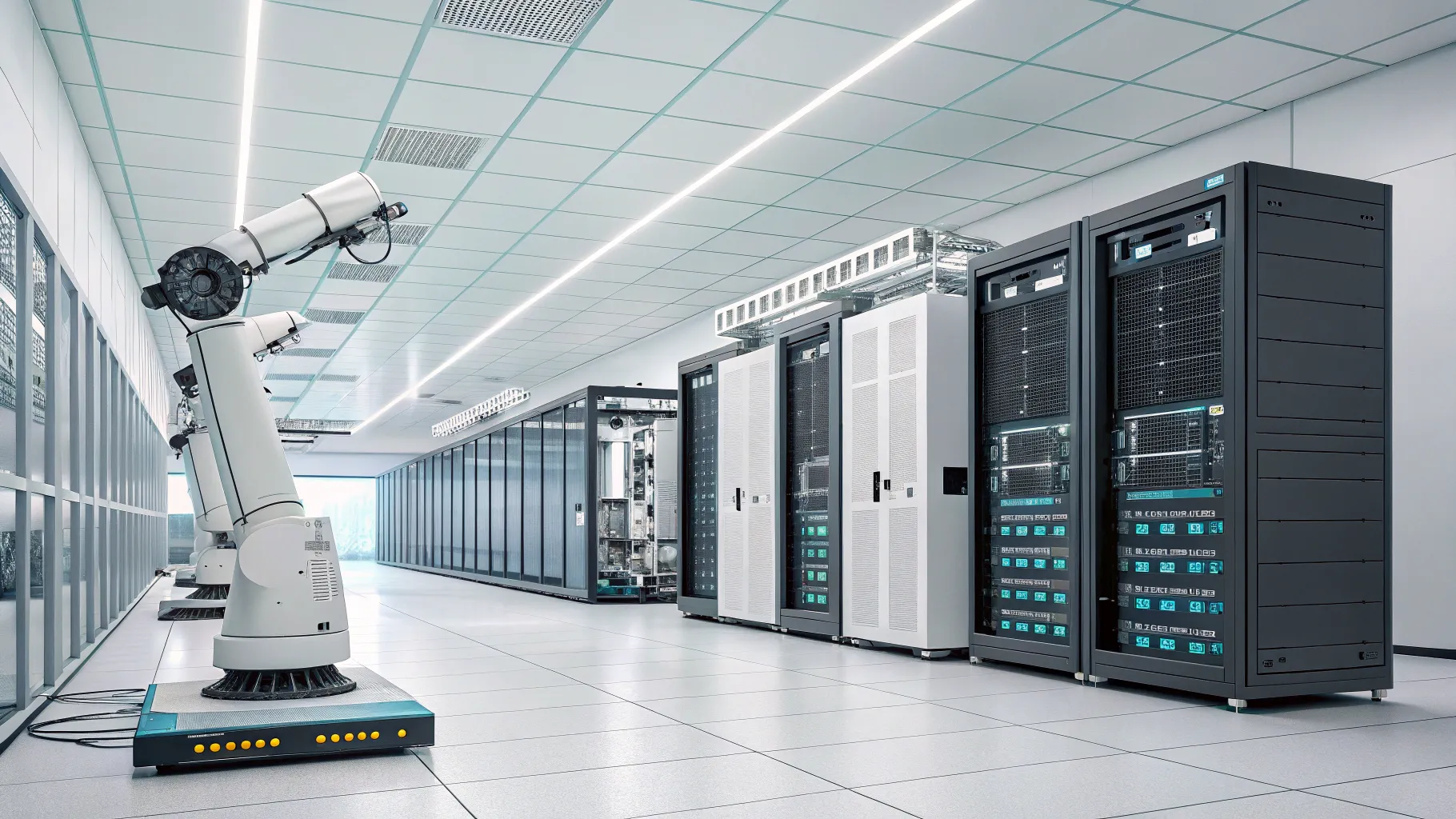
Data center operators are racing to secure land, transformers, and long-term power contracts. These facilities need more electrical capacity than older server farms. Training large models also requires high-end chips, cooling, and grid stability. These needs link the AI story to energy and industrials as much as to software.
“Kevin Mahn discusses where trillions in AI infrastructure spending are headed, why power and defense are key investments and his outlook on 2026 markets.”
Power: From Back-Office Cost To Strategic Asset
Electricity is becoming a strategic constraint. Utilities, independent power producers, and grid equipment makers are seeing stronger demand visibility as AI buildouts accelerate. Industry trackers say U.S. data center power demand could roughly double by 2030 if current projects proceed. Similar trends are emerging in Europe and parts of Asia.
Growth is not uniform. Regions with cheaper power, faster permitting, and access to transmission lines have an edge. Long lead times for transformers and substations may slow some timelines. That creates an opening for firms that can deliver capacity, upgrade transmission, or add flexible generation, including gas peakers and renewables paired with storage.
- Winners may include grid equipment suppliers and developers with firm interconnection queues.
- Risks include cost inflation, regulatory delays, and local opposition to new lines or plants.
Defense Spending Remains Firm
Global defense budgets are rising amid conflict and cyber threats. NATO members are moving closer to or above the 2% of GDP guideline. The United States continues to authorize large defense budgets, with focus areas in munitions, missile defense, cyber, and space.
For investors, that can translate into steady backlogs and long contracts. Yet policy cycles matter. Procurement can shift with elections, shifting priorities, and budget caps. Firms with exposure to both legacy systems and new programs may be better placed to handle changes.
What This Means For 2026 Markets
Mahn’s outlook centers on the durability of the capex cycle and the path of interest rates. If inflation keeps easing, lower borrowing costs in 2025 could support valuations for growth and capital-intensive projects in 2026. If inflation stays sticky, financing costs could weigh on some developers even as demand remains strong.
He also points to sector leadership. Earnings tied to AI infrastructure and defense could hold up better than more cyclical areas if growth slows. But concentration risk is real. A broadening rally would likely require clearer earnings traction outside mega-cap tech and stabilized margins in energy and industrials.
Signals To Watch
Several markers can help test the thesis over the next 12 to 18 months:
- Utility interconnection backlogs and transformer lead times.
- Data center power purchase agreements and grid upgrade approvals.
- Chip capacity additions and delivery schedules for advanced nodes.
- Defense order intake, backlog growth, and budget authorizations.
- Inflation trends, credit spreads, and the rate path into 2026.
The message is clear: the race to build AI capacity is spilling into power and defense, with far-reaching effects for investors. If execution matches plans, these sectors could anchor capital spending and earnings through 2026. If delays, cost pressures, or policy shifts emerge, returns may hinge on balance sheets and contract quality. For now, watch the grid, the procurement pipeline, and the cost of capital. They will likely set the pace for markets as this investment cycle matures.

Deanna Ritchie is a managing editor at DevX. She has a degree in English Literature. She has written 2000+ articles on getting out of debt and mastering your finances. She has edited over 60,000 articles in her life. She has a passion for helping writers inspire others through their words. Deanna has also been an editor at Entrepreneur Magazine and ReadWrite.