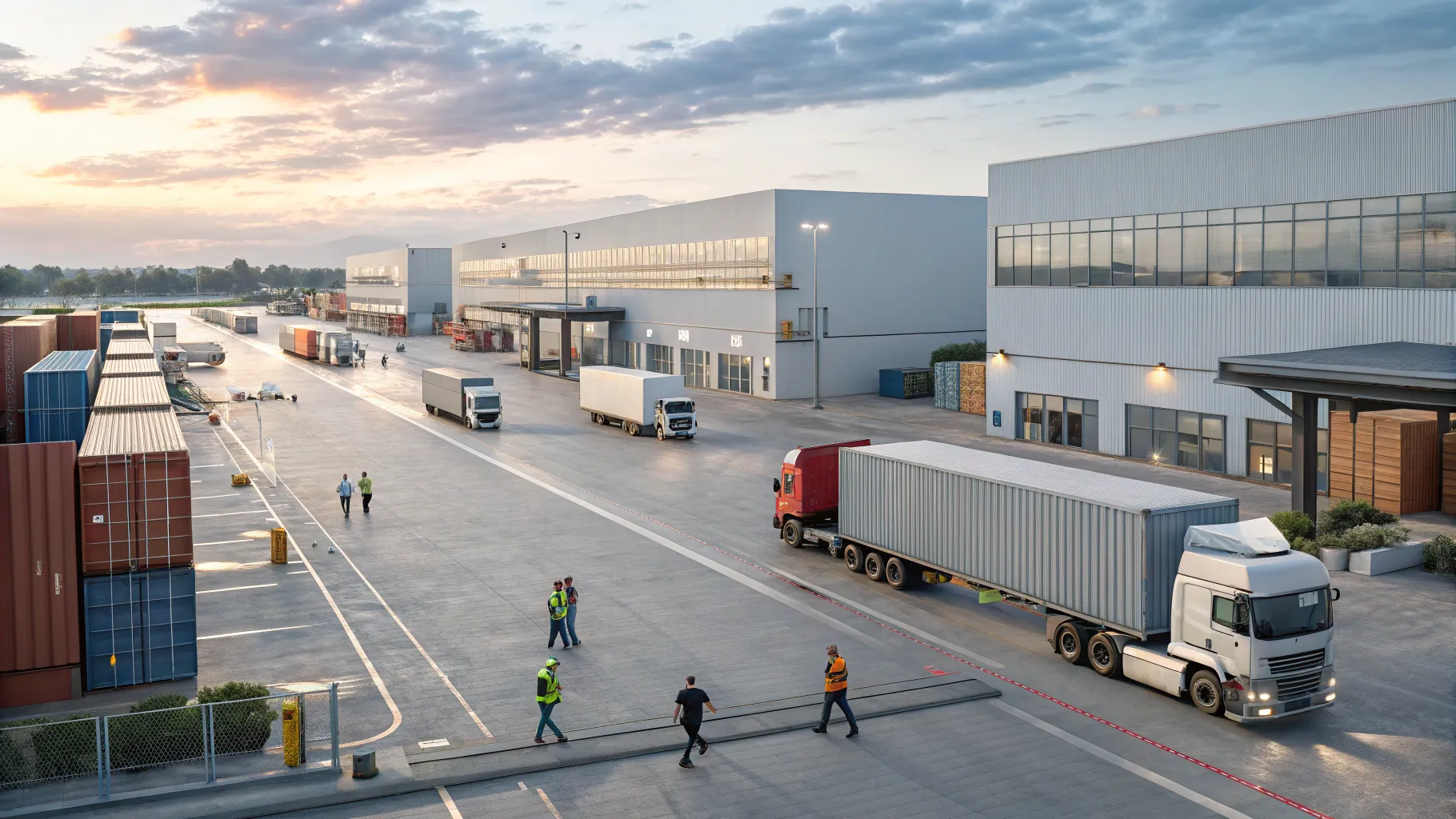
Shares of trucking and logistics companies fell Thursday as investors weighed how fast-moving artificial intelligence tools could squeeze margins and invite new rivals into a sector long powered by software. The pullback hit firms that route freight, match loads, and manage supply chains, reflecting fresh worry over competitive threats rather than a single company event.
Market watchers said the drop came amid a broader debate: whether AI-enabled entrants can offer cheaper, faster digital services to shippers and carriers, pressuring established players that depend on pricing algorithms, routing engines, and broker networks. The concern is not about freight demand alone, but about who controls the digital stack that connects trucks to customers.
Market Jitters Over AI Competition
“Shares of trucking and logistics companies sank on Thursday, the latest industry to be sideswiped by worries that quickly advancing AI technology will lead to increased competition for established firms that rely on software for their services.”
That fear centers on software moats. For years, logistics firms invested in tools for load matching, dynamic pricing, and route optimization. Now, investors worry those capabilities could be replicated faster and cheaper using large-scale models and open developer tools. If switching costs fall, customer loyalty could erode and pricing power could weaken.
The selloff also reflects recent market swings tied to automation headlines across sectors. When new AI products debut, software-heavy industries often trade lower on the idea that barriers to entry are thinning. Logistics, with its fragmented vendors and thin margins, is especially sensitive to that narrative.
Why Logistics Feels Exposed
Freight networks run on data. Dispatching, detention management, appointment scheduling, and proof-of-delivery all rely on systems that integrate carrier availability, traffic, and dock capacity. AI tools promise faster document processing, improved demand forecasts, and automated customer support. Startups can now stitch these features together with fewer engineers and shorter development cycles.
Analysts say three pressure points stand out:
- Load matching: AI could improve pairing of freight with trucks, reducing empty miles and undercutting broker margins.
- Pricing: Models that learn from real-time inputs could narrow the gap between incumbents and challengers.
- Customer service: AI agents may handle bids, tenders, and updates at lower cost and higher speed.
Autonomous driving pilots on selected highway routes add another layer. While large-scale deployment remains uncertain, any progress can shift value toward platforms that combine vehicle data, routing, and shipper interfaces, heightening competitive stakes for software-reliant intermediaries.
Industry Responses and Labor Concerns
Executives in freight technology argue incumbents hold advantages: existing shipper relationships, integrated systems, and domain expertise in compliance and insurance. They also point to data scale built over years of shipments, which can improve model accuracy. Still, leaders have been racing to ship AI features, including document extraction, multilingual chat support, and automated quoting.
Carrier groups and driver advocates warn that cost-cutting software can push rates lower and compress pay unless protections are in place. They support AI for safety, maintenance, and paperwork reduction but urge transparency in pricing and clear dispute processes when automated systems deny access to loads or apply fees.
Large shippers, meanwhile, are testing multiple tools in parallel. Procurement teams want cost savings, but also reliability during tight capacity cycles and disruptions. That keeps the door open for incumbents that can bundle AI features with service levels, audited contracts, and risk management.
What Investors Are Watching
Investors are tracking a few signposts to separate hype from impact. First, gross margins at software-heavy brokers: a clear decline could signal competitive pricing from AI-enabled entrants. Second, customer churn at digital platforms: rising churn may show shippers switching to cheaper apps. Third, the pace of automation inside incumbent firms: faster adoption could protect costs and output.
Regulatory actions also matter. Data rules on freight documents, privacy, and safety disclosures could shape who can deploy certain models and at what scale. Standards for AI use in dispatch or pricing may bring clarity, reducing uncertainty for public companies.
For now, the week’s trading shows that sentiment can move quickly when new technology targets cost centers in mature industries. Shares may stabilize as companies outline roadmaps and show how AI lifts, rather than erodes, earnings.
The next phase will hinge on execution. Firms that pair trusted operations with practical AI—clear savings, fewer errors, faster response times—could defend share and win new contracts. Those that lag risk a tougher bid season. Investors will look for evidence in quarterly results, product releases, and customer wins as the industry adapts to the new playbook.

A seasoned technology executive with a proven record of developing and executing innovative strategies to scale high-growth SaaS platforms and enterprise solutions. As a hands-on CTO and systems architect, he combines technical excellence with visionary leadership to drive organizational success.