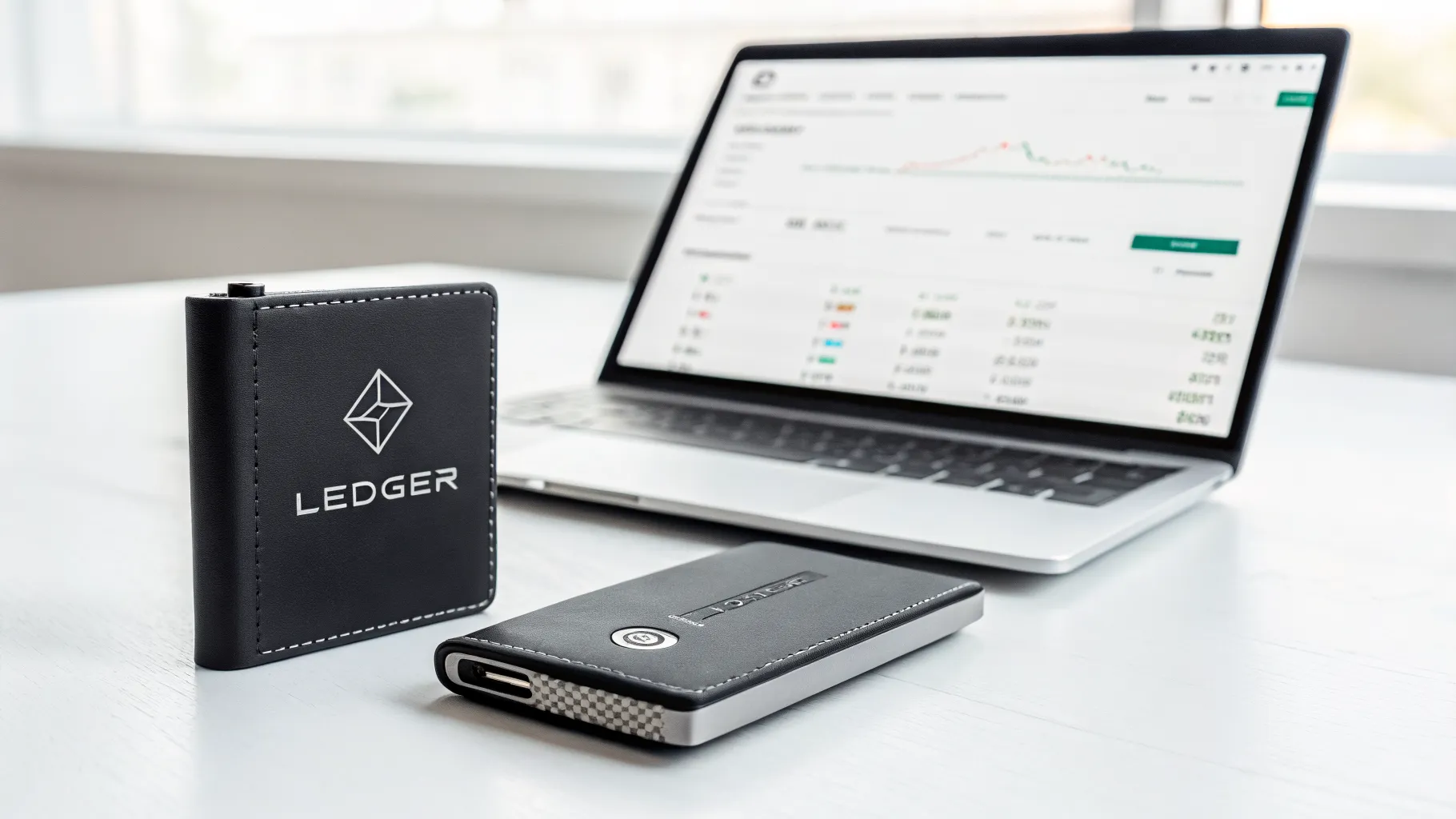
Ledger is expanding access to decentralized trading, saying Wallet users will soon connect to OKX DEX for non-custodial swaps secured by hardware devices. The move, announced this week, links one of the largest hardware wallet makers with a major decentralized exchange aggregator. It aims to make token swaps easier while keeping private keys offline.
The plan matters to crypto traders who want to self-custody assets and still trade across networks. It also arrives as users look for stronger security after a series of custodial failures and hacks in recent years.
Ledger Wallet users will soon have access to OKX DEX directly, enabling non-custodial crypto swaps secured by hardware wallets.
Why This Integration Matters
Ledger’s hardware wallets, including the Nano line, store private keys in secure chips. That reduces the attack surface compared with software-only wallets. OKX DEX aggregates liquidity from decentralized exchanges and supports swaps across multiple networks. Bringing the two together could lower friction for users who want to trade without handing control to a centralized platform.
Self-custody has surged since late 2022, when several centralized firms failed and users struggled to withdraw funds. Hardware wallets saw stronger demand as investors moved coins off exchanges. This integration meets that demand with a direct path to trading from cold storage.
How It Could Work for Users
With direct access, a user would connect a Ledger device, approve a transaction on the hardware screen, and execute a swap routed by OKX DEX. The private key never leaves the device. That limits exposure to malware or phishing in the signing process.
The companies did not detail the full feature set. Typical DEX features include network selection, slippage settings, fee estimates, and transaction previews. Support will likely vary by chain and token.
- Security: Keys stay offline; on-device confirmation adds a check against tampering.
- Control: Users keep custody; no account or withdrawal queue.
- Flexibility: Access to DEX liquidity across multiple networks, subject to availability.
Risks and Limits Remain
Hardware wallets reduce key theft risk, but they do not remove market or smart contract risk. Users still face potential losses from bad approvals, malicious tokens, or routing through risky bridges. Price slippage and network fees can also cut returns during volatile periods.
Privacy is another concern. DEX trades are public on-chain. While addresses are not tied to names by default, analytics tools can link activity. Some jurisdictions also restrict access to certain tokens or networks. Any geofencing or compliance checks would shape the rollout.
Industry Impact and Competitive Pressure
Wallets are racing to add direct trading, staking, and cross-chain tools. By linking to a large DEX aggregator, Ledger signals that self-custody and active trading can sit side by side. That puts pressure on rivals to expand swap options while keeping strong security defaults.
For OKX, the link could bring more order flow from users who prefer hardware security. It also broadens reach among long-term holders who may trade less often, but with higher balances. If the experience is smooth and fees stay competitive, volumes could rise.
What to Watch Next
Key questions include which networks launch first, how routing and fees are shown, and what protections guard against risky approvals. Clear, on-device prompts will be vital. Users will look for warnings on unknown contracts and spend limits.
Support for cross-chain swaps will be another test. Bridges have been frequent hack targets. Strong defaults that favor safer routes could help reduce risk.
Education will matter. Short guides on slippage, gas fees, and revoking approvals can lower mistakes for newer users. Simple design and transparent pricing will set the tone.
Ledger and OKX DEX are betting that users want ease and control in one place. If the rollout delivers, hardware-backed swaps could become a standard feature for self-custody. If not, wallets that balance speed, cost, and security will continue to shape how people trade on-chain.
The partnership points to a clear trend: traders want custody in their own hands without giving up access to liquidity. The next few months will show whether this approach lifts adoption and trust across networks.

Senior Software Engineer with a passion for building practical, user-centric applications. He specializes in full-stack development with a strong focus on crafting elegant, performant interfaces and scalable backend solutions. With experience leading teams and delivering robust, end-to-end products, he thrives on solving complex problems through clean and efficient code.