On a morning talk show appearance, Fox Business host Charles Payne weighed in on former President Donald Trump’s call to strengthen U.S. manufacturing, as artificial intelligence reshapes how goods are made and moved. The discussion, aired from New York, centered on whether a new push to reshore production can coexist with rapid advances in automation that are changing factories worldwide.
The conversation comes as companies rework supply chains after years of trade tensions and pandemic shocks. It also speaks to voter concerns over jobs, inflation, and the future of work in key industrial states.
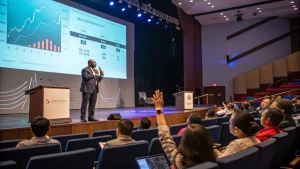
‘Making Money’ host Charles Payne joins ‘Fox & Friends’ to discuss President Donald Trump’s focus on domestic manufacturing and how AI may impact global industries.
Reshoring Goals Meet a New Industrial Reality
Trump’s first term focused on tariffs, tax incentives, and “Buy American” rules to lift factory output and protect strategic industries. Supporters say the approach helped push companies to reconsider production in China and source more parts at home. Critics argue tariffs raised costs and did not deliver a lasting jobs boom.
Manufacturing employment in the United States edged up in the late 2010s, dipped during the pandemic, and recovered as firms scrambled to meet demand. The push to bring key sectors onshore—such as semiconductors, medical gear, and infrastructure materials—has since gained bipartisan backing, though policy tools differ by party.
Payne’s comments land in this context: a political promise to “build here again” clashes with boardroom plans that prize speed, efficiency, and global reach. The question is not only where factories sit, but what work remains for people inside them.
AI’s Growing Role on the Factory Floor
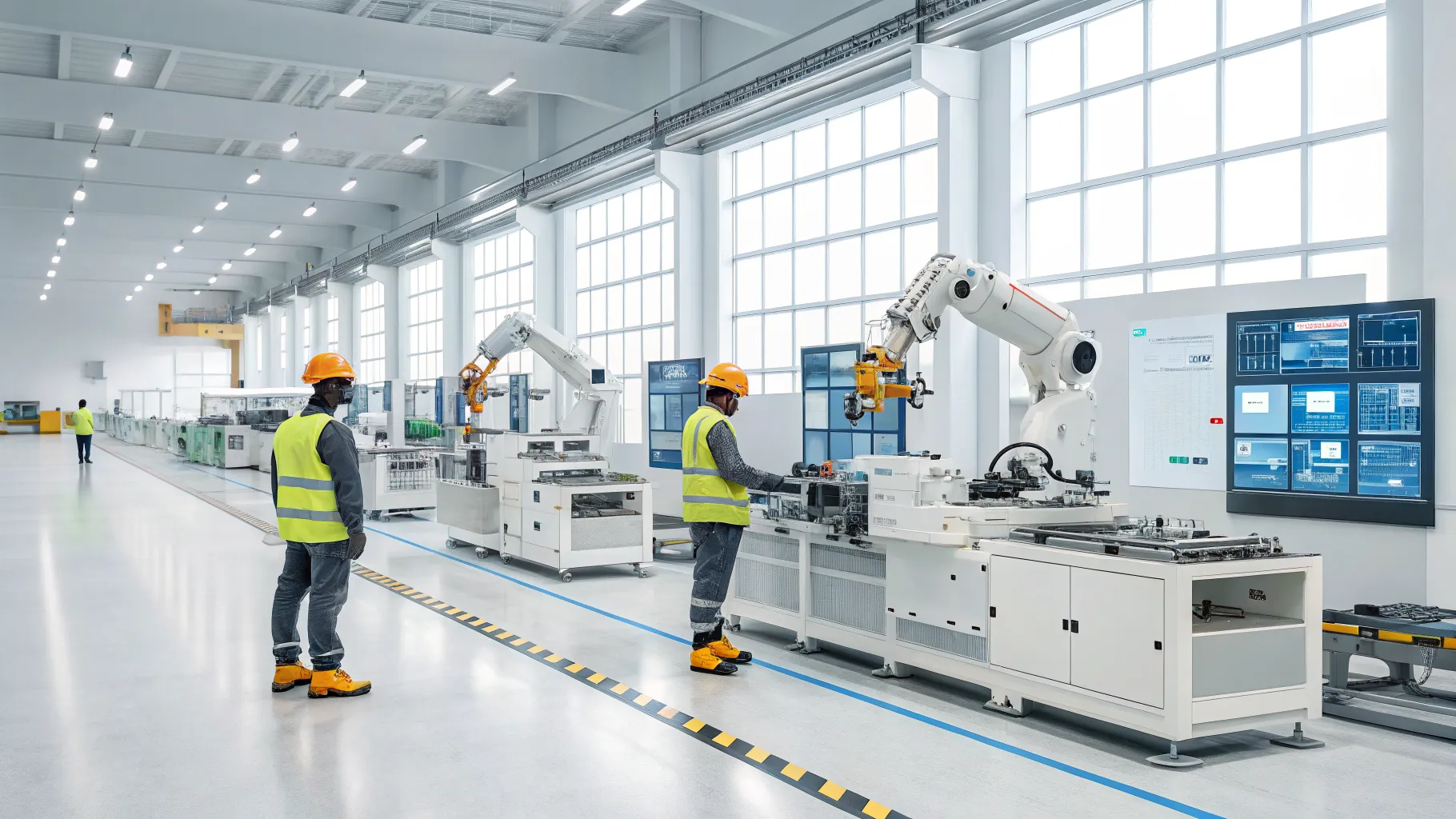
AI is already present in quality control, maintenance, and logistics. Vision systems catch defects. Predictive tools help prevent downtime. Software plans production runs in minutes, not days. These changes raise productivity, but they also reshape roles.
- Routine tasks can be automated, reducing some hourly positions.
- Demand grows for technicians, data analysts, and machine integrators.
- Training and safety standards must keep pace with new systems.
For global industries, AI favors firms able to invest in advanced equipment and data. That could reward larger companies with cash and scale. Smaller manufacturers may struggle without tax credits, shared training centers, or supplier networks that cut costs.
Economic Stakes for Workers and Regions
Industrial states depend on steady factory work that supports local businesses and public services. Unions and community colleges have urged pairing any reshoring push with strong apprenticeships and mid-career training. Without that, they warn, the gains will be uneven and short-lived.
Business groups counter that higher productivity from AI can keep plants competitive in the face of rising wages and energy costs. They argue that modern factories can grow output and still expand headcount over time if orders increase and exports stay open.
Payne highlighted the political risk of drifting back to fragile supply chains. He also pointed to the competitive pressure from countries funding automation at scale. The debate is not whether AI arrives, but how its benefits—and costs—are shared.
Policy Options and Industry Responses
Several measures could shape the outcome:
- Targeted tax incentives for capital spending tied to domestic jobs and training.
- Standards for AI safety and transparency in industrial settings.
- Public-private training programs to help workers move into higher-skill roles.
- Stable trade rules that protect key sectors without spiking input prices.
Case studies suggest that plants adopting AI with strong worker input see fewer disruptions. Companies that involve line workers in tool design report faster rollouts and better safety records. By contrast, rapid automation without planning can trigger costly churn.
What Comes Next
As campaign season advances, factory policy will be a marquee issue. Investors will watch for details on tariffs, incentives, and workforce plans. Manufacturers will look for clarity on permitting, energy, and export rules that affect multi-year projects.
The broadcast conversation captured a core tension: rebuilding domestic industry while adopting new technology that changes the job mix. The outcome will hinge on execution—factory by factory, state by state.
For now, the takeaway is clear. A push to make more goods at home can work with AI, but only if leaders back it with training, smart incentives, and predictable rules. Expect more debate as companies place new bets and voters weigh the costs and benefits.

Kirstie a technology news reporter at DevX. She reports on emerging technologies and startups waiting to skyrocket.