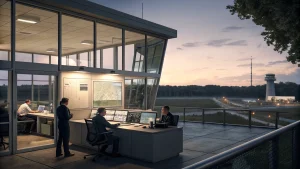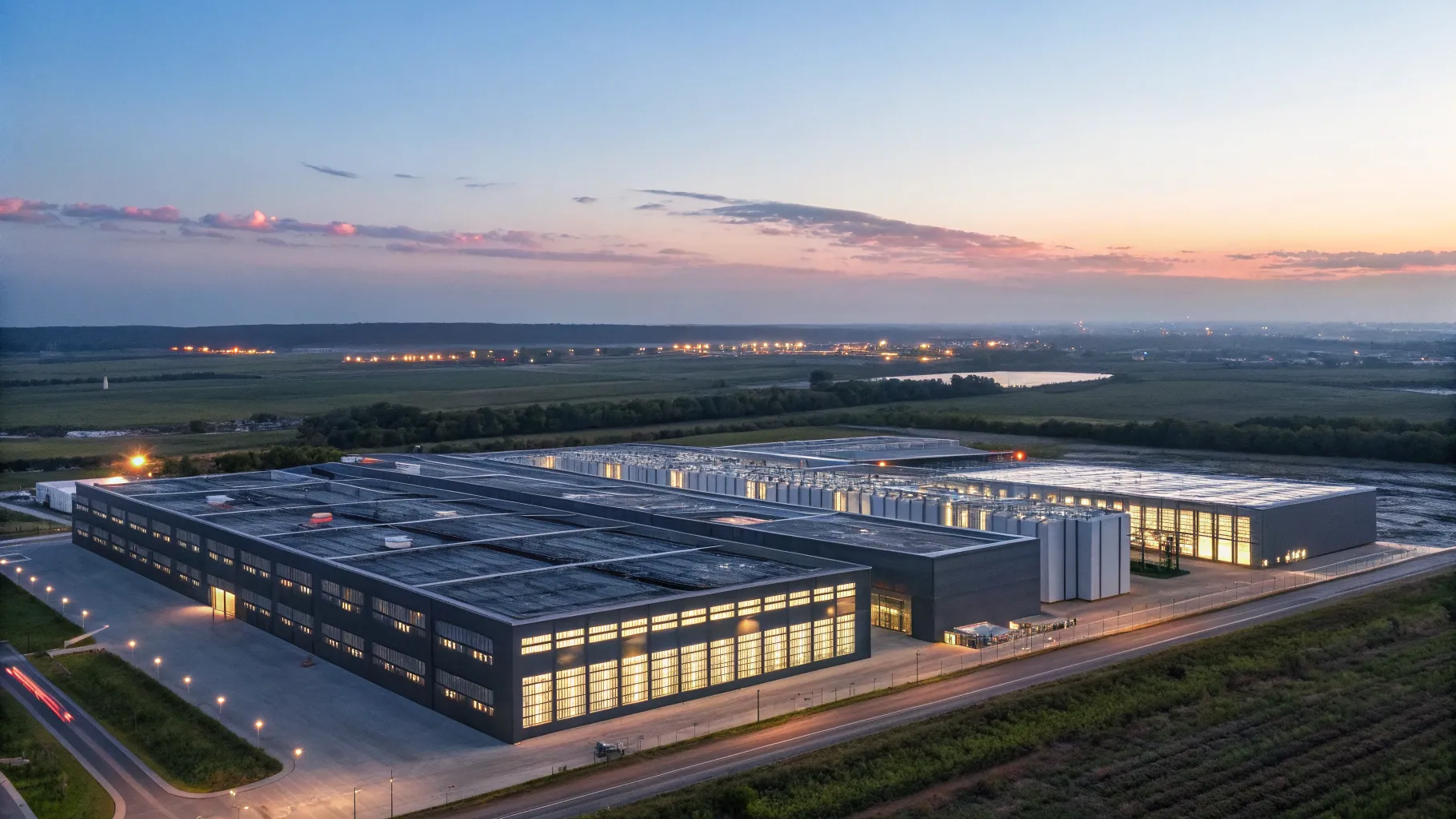
In a rare bipartisan turn, lawmakers in multiple states are moving to pause or slow new data center projects, citing strain on power grids, higher electricity costs, and climate goals. The push has gained speed over recent weeks in both Republican- and Democratic-led states as officials question whether current policies can manage the surge in energy demand from artificial intelligence and cloud growth.
The proposals range from temporary moratoriums to stricter siting rules and reporting requirements. Supporters say they need time to measure real costs for ratepayers and emissions. Industry leaders warn that abrupt limits could stall billions in planned investment and cut into local tax bases.
Why Data Centers Are Under Scrutiny
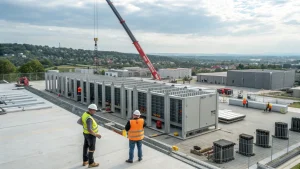
Data centers have long been prized for construction jobs and steady tax revenue. But their scale is growing fast as companies race to add computing capacity. Facilities that once fit within existing utility plans now arrive in clusters and require new substations, long feeder lines, and large backup power systems.
Local officials worry that big loads can crowd out other economic growth or push utilities to raise rates. Environmental groups say promised offsets can lag years behind actual emissions from added gas generation. Water use for cooling has also drawn concern in drought-prone areas.
“Red and blue states alike have introduced legislation in recent weeks that would halt data center development, citing concerns from climate to high energy prices.”
The New Legislative Push
Recent bills and resolutions share a few themes. Many would require power impact studies before permits are issued. Others would pause approvals until utilities show how they will serve loads without large price spikes. Some proposals seek clearer reporting on water use, diesel backup testing, and noise levels.
- Temporary moratoriums to study grid impacts and rate effects
- Stricter siting, noise, and water disclosure rules
- Utility coordination plans for transmission and peak demand
Supporters argue that planning has not kept up with demand from AI training clusters and 24/7 workloads. “We need to know who pays and when,” one state senator said in a committee debate, pointing to rising system costs borne by households and small firms.
Industry Response and Economic Stakes
Technology firms and developers counter that data centers are critical infrastructure for modern business and public services. They point to long-term tax payments, high-wage technical jobs, and related construction work. They also note that many projects include new wind, solar, and battery deals that expand clean power.
Executives warn that blanket pauses could send investment to other regions or abroad. One developer argued that clear, fast permitting paired with grid upgrades would “get costs down for everyone,” while allowing states to capture growth. They favor rules that set standards rather than open-ended bans.
Grid Constraints, Climate Goals, and Ratepayer Risk
Utilities are juggling rising loads from data centers alongside electrification of vehicles and buildings. Transmission projects can take years, so near-term solutions often lean on gas peakers or diesel backup. Regulators fear that risks fall on ratepayers if forecasts miss the mark.
Climate targets add pressure. States with carbon limits worry that rapid load growth could force more fossil generation in the short term. Some bills tie permits to verified clean power additions or firm capacity commitments that match a project’s peak demand.
Consumer advocates have asked for cost-sharing mechanisms, so large customers pay for incremental grid upgrades tied to specific sites. Developers say they already fund much of the needed interconnection work, but concede that broader system changes may land on utility bills.
What to Watch Next
Negotiations now center on timelines and accountability. Lawmakers are debating sunset dates for moratoriums, clearer metrics for grid readiness, and penalties for missed energy commitments. Local leaders want more say over noise, diesel testing schedules, and water protection.
Analysts expect three near-term trends. First, more states will require pre-permit energy studies and public disclosure. Second, utilities will speed plans for new transmission and demand management. Third, large buyers will sign longer clean power contracts, backed by storage, to match use more closely.
The outcome will set the pace of AI and cloud expansion in the U.S. A calibrated approach could align growth with grid capacity and climate policy. Overly broad limits could shift projects elsewhere and delay upgrades. The next legislative sessions will show whether states can strike a deal that keeps rates in check, protects air and water, and still supports digital services people rely on.

A seasoned technology executive with a proven record of developing and executing innovative strategies to scale high-growth SaaS platforms and enterprise solutions. As a hands-on CTO and systems architect, he combines technical excellence with visionary leadership to drive organizational success.