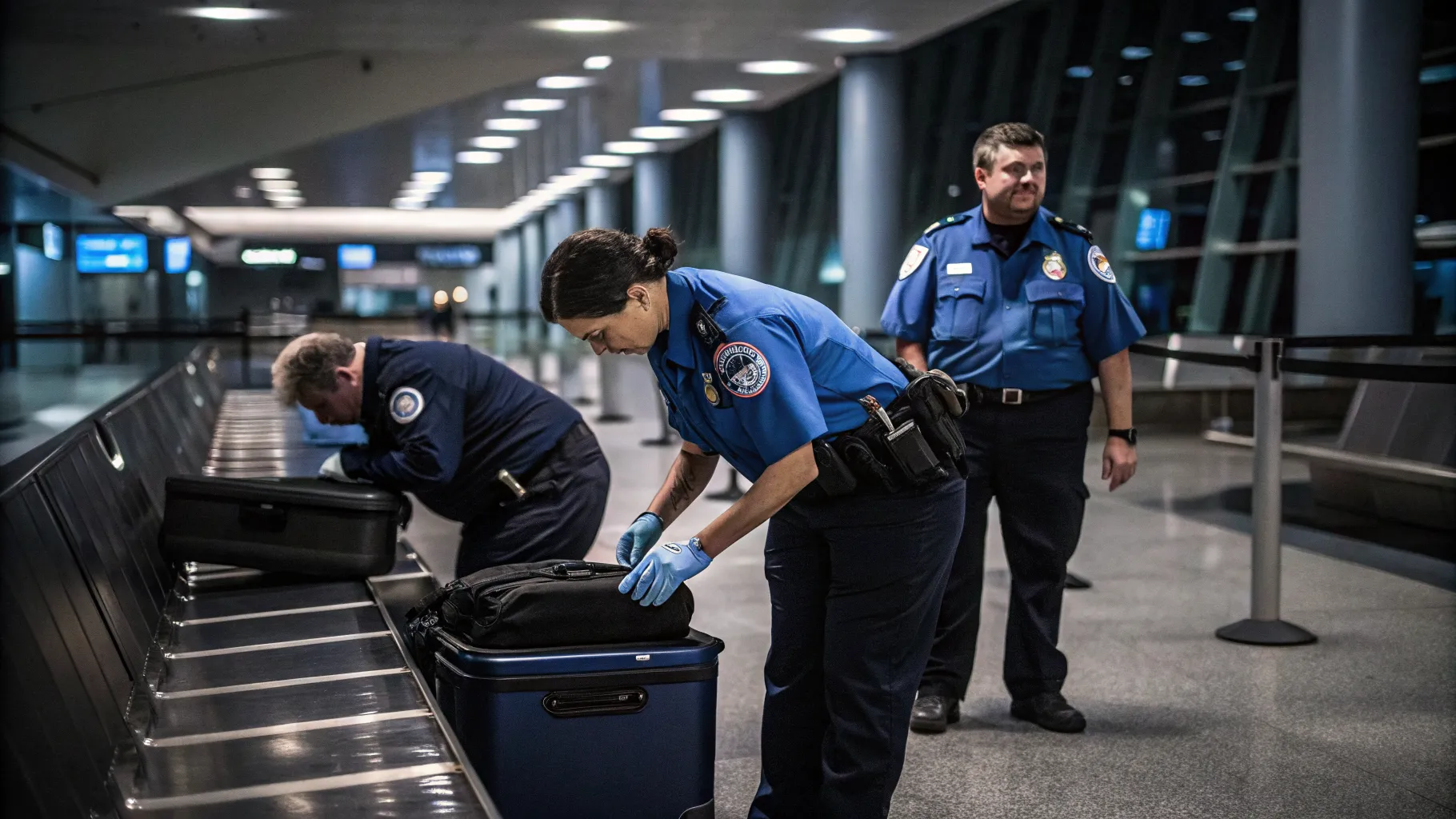
Transportation Security Administration officers are working unpaid as a partial shutdown of the Department of Homeland Security drags on over demands to change immigration enforcement policy.
The dispute in Washington has halted regular funding for DHS, which oversees TSA. Airports remain open, but officers are reporting for duty without pay. The timing is critical as spring travel begins to ramp up nationwide.
The central question is how long the standoff will last and what it means for airport operations, worker safety, and travelers. The shutdown is already testing the limits of the system.
What Sparked the Funding Impasse
Lawmakers are locked in negotiations over proposals to tighten or reshape immigration enforcement. The debate has stalled passage of a DHS funding bill. As a result, parts of the department are unfunded, while “excepted” employees must continue to work.
TSA officers fall into that category because airport screening is considered essential for national security. They are required to report, even when paychecks are delayed. Back pay is historically granted after funding is restored, but the delay strains household budgets in the meantime.
“TSA employees have been working without pay during a partial shutdown of DHS over demands to reform immigration enforcement.”
Strain on Airports and Travelers
Airports have kept checkpoints open, but staffing flexibility is tighter when employees face missed pay. In past shutdowns, some officers called in sick more often as the lapse stretched on. Even modest staffing gaps can slow screening and extend lines.
Industry groups warn that delays could rise if the impasse continues. Travelers may see longer waits at peak times, reduced lane openings, and fewer overtime shifts. Airports with high volumes and tight labor markets are most at risk of disruption.
Worker Morale and Safety Concerns
Working without pay weighs on morale. Some officers pick up temporary jobs, adjust child care, or defer bills to get through the gap. Supervisors also carry added pressure to schedule fairly and maintain standards.
Security procedures remain in place. Yet sustained financial stress can affect focus. Unions have previously urged Congress to protect frontline pay during funding fights, arguing that stable income supports safer operations.
Legal and Policy Context
Under federal law, agencies designate certain roles as essential. Those employees must work during a lapse in appropriations. They receive pay only after a funding bill is enacted. This approach keeps core functions running but shifts financial risk to households.
Immigration enforcement debates often become flashpoints in budget talks. Proposals can involve asylum processing, detention capacity, border technology, or cooperation with local authorities. Each element carries both cost and policy trade-offs that are difficult to resolve quickly.
What The Data and History Suggest
TSA employs tens of thousands of officers and screeners across more than 400 federalized airports. Even small changes in attendance ripple through the system. During prior funding lapses, many airports reported longer lines, though essential flights continued to operate.
- Checkpoint wait times are sensitive to staffing and flight banks.
- Overtime is a key tool to cover surges and absences.
- Back pay is typical, but timing remains uncertain during a lapse.
The longer a shutdown runs, the harder it becomes to manage leave, overtime, and training. New-hire classes may be delayed. Equipment maintenance and upgrades can also slip if contracts are paused.
Outlook and Possible Paths Forward
Several outcomes are in play. Lawmakers could pass a full-year DHS appropriations bill with a compromise on immigration enforcement. They could pass a short-term extension to restore pay while talks continue. Or the stalemate could persist, raising the chance of escalating airport delays.
Travelers can take steps to reduce friction. Arrive early, check checkpoint status if available, and use trusted traveler programs where possible. But the core issue—funding and policy agreement—rests with Congress and the administration.
TSA officers remain on post, even as pay is on hold. The coming days will show whether negotiators can break the impasse and stabilize airport staffing. If talks stall, expect more pressure from airports, unions, and travelers for a quick fix. The stakes are simple: safe, steady screening and paychecks that arrive on time.

A seasoned technology executive with a proven record of developing and executing innovative strategies to scale high-growth SaaS platforms and enterprise solutions. As a hands-on CTO and systems architect, he combines technical excellence with visionary leadership to drive organizational success.