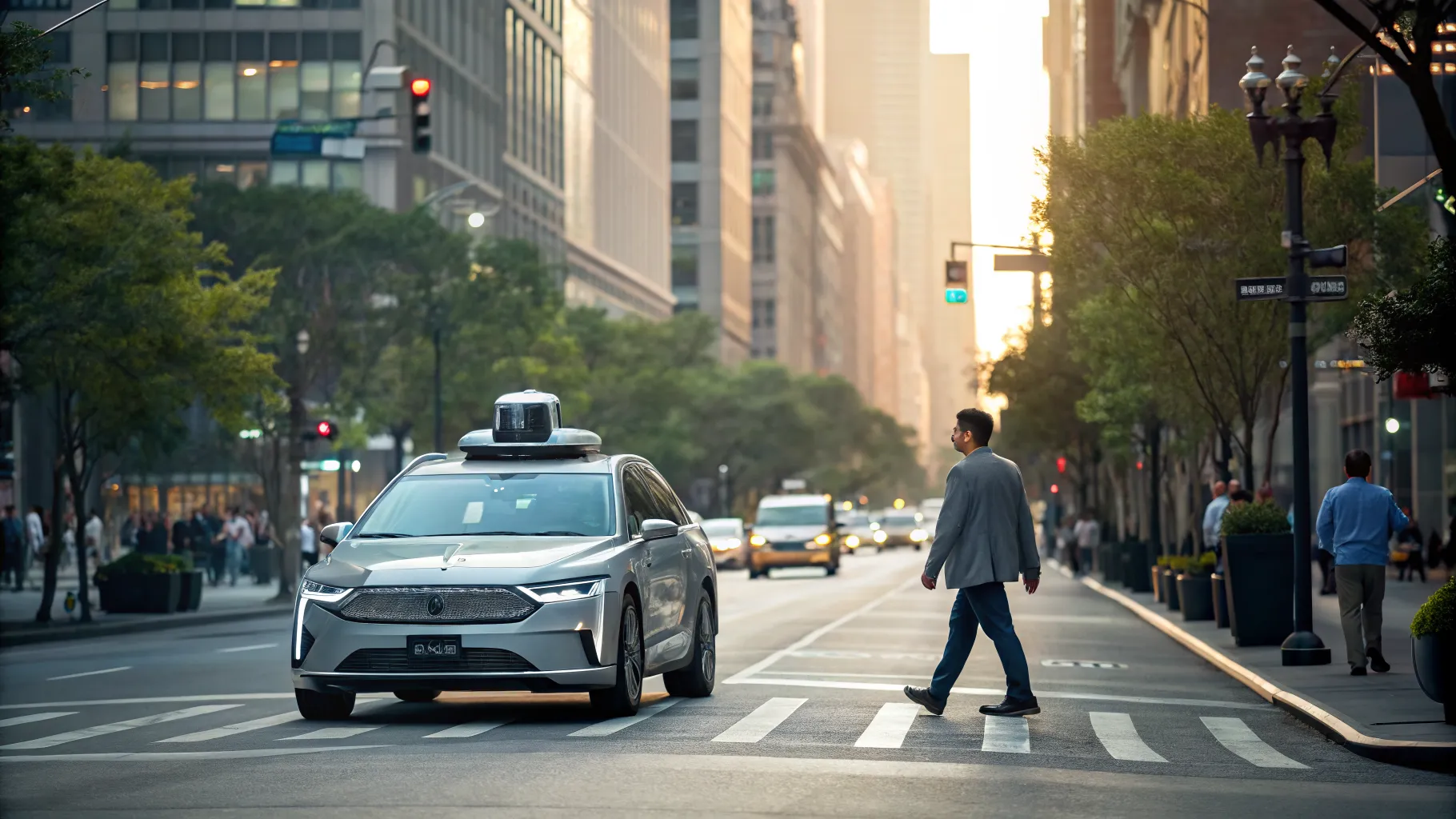
After nearly two years of trials in two cities, an Amazon-owned mobility company says it is getting closer to letting people book rides. The company did not share a firm date, but it suggested a launch path is taking shape. The move signals a fresh push in self-driving ride services, where progress comes step by step and under close oversight.
What Is Changing Now
“After nearly two years of testing in the two cities, the Amazon-owned company says it’s getting closer to offering rides.”
The statement points to a shift from testing to early service. That usually means expanding hours, opening access to more riders, and moving from employee pilots to the public. It can also mean driving with fewer restrictions in mapped zones.
Companies in this sector move through phases. They begin on closed tracks, then limited public roads, then supervised rides, and finally driverless trips. The company appears to be entering that last stretch.
Background and Industry Context
Amazon has signaled long-term interest in autonomous mobility. The company acquired a self-driving startup in 2020 and has since tested custom vehicles and software. Trials in two U.S. cities fit a common pattern. Firms pick one dense urban area and one simpler corridor to build confidence and safety cases.
Self-driving ride services have inched forward over the past five years. Some operators offer driverless rides in limited zones. Others paused after safety events. The path is uneven, but the direction is clear: cautious expansion, with more reporting and stricter checks.
Regulation and Safety Scrutiny
Any public ride service must pass several gates. Federal regulators review vehicle safety and software risks. State motor vehicle agencies control testing and permits. City officials set rules for curb space and pickup zones.
Recent incidents have raised the bar. In 2023, California regulators suspended a major operator’s driverless permit after a pedestrian injury. Investigations followed, and other firms updated their safeguards. The message from regulators is consistent. Show data, fix defects fast, and keep operations narrow until systems prove themselves.
For an Amazon-owned operator, the next steps likely include broader disengagement reporting, emergency response drills, and simulated edge cases. Insurance and rider safety features will face review as well.
What a Launch Could Look Like
Early services usually start small. They run in geofenced areas, during set hours, and with defined pickup points. Access opens to waitlisted users first, then to the general public.
Typical launch elements include:
- Limited service zones with detailed high-definition maps.
- Remote support teams for rare or complex events.
- Transparent pricing and clear cancellation rules.
- In-app safety tools for riders and first responders.
The company has not shared pricing or service hours. It has also not named the two cities. That suggests final approvals and local agreements are still in progress.
Competition and Market Impact
Rival operators have built demand in select cities through slow, steady rollouts. They focus on airport links, nightlife districts, and commuter routes. An Amazon-owned entry could reshape that map. Integration with shopping, packages, and Prime memberships could create new trip types and bundled offers.
Transit agencies are watching closely. Some see first-mile and last-mile links that support rail and bus lines. Others worry about curb conflicts and double-parking near busy stations. Labor groups want clarity on job effects, training, and transition plans.
Data, Trust, and What Riders Want
Surveys suggest riders care most about safety, reliability, and price. Consistent travel times and clean vehicles matter, too. Public data on miles driven and incident rates helps build trust. Plain-language safety reports do as well.
Experts say the next year will hinge on three fronts. Technical performance in mixed traffic. Clear rules from regulators. And transparent communication after any incident, large or small.
The company’s statement signals intent but leaves details open. The timing will depend on permits, safety reviews, and local support. If approvals land, the first rides may be limited and quiet. If results are strong, service areas can grow. The broader test is whether riders feel safe, cities feel heard, and the service proves useful day after day. That is what to watch in the months ahead.

Senior Software Engineer with a passion for building practical, user-centric applications. He specializes in full-stack development with a strong focus on crafting elegant, performant interfaces and scalable backend solutions. With experience leading teams and delivering robust, end-to-end products, he thrives on solving complex problems through clean and efficient code.