A new project called Wave-Former promises to map hidden spaces and objects by reading how wireless signals bounce inside a room. The system, described by its creators as able to “complete the shape of a hidden 3D object or reconstruct the scene of an entire interior room,” suggests a new step for radio-based imaging. While details remain limited, the claim points to a tool that could change how people sense and secure indoor spaces.
What Is Wave-Former
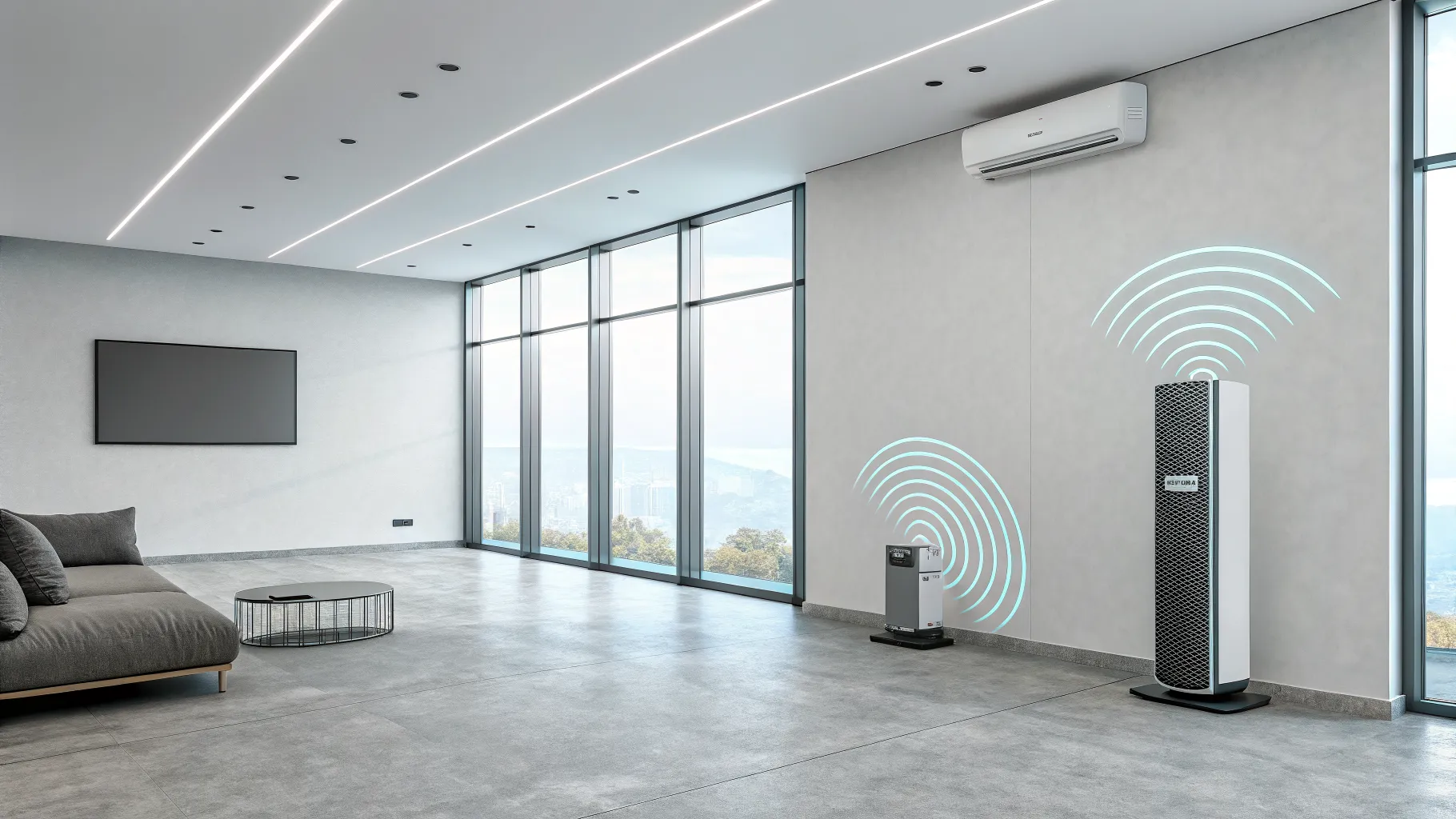
Wave-Former is presented as a system that turns wireless reflections into pictures of physical space. That means it does not rely on a camera or visible light. Instead, it listens to how radio waves reflect off walls, furniture, and objects, and then infers what is there.
“Wave-Former is a new system that can complete the shape of a hidden 3D object or reconstruct the scene of an entire interior room using reflected wireless signals.”
Projects in this area often borrow ideas from radar and Wi-Fi sensing. The goal is to model how signals scatter and then solve the inverse problem: if this is the echo, what shape caused it. If Wave-Former works as described, it suggests progress in that reconstruction step.
How It Could Work
Radio waves pass through some materials and bounce off others. By sending a known signal and measuring the returns, software can estimate distances, angles, and shapes. Modern methods train neural networks on simulated or measured echoes. These models then predict objects and layouts from real data.
Wave-Former’s claim to “complete the shape” implies it might fill in missing parts when a target is partly blocked. The promise to “reconstruct the scene” hints at full-room mapping from limited measurements. Both tasks are hard because reflections overlap and rooms are cluttered.
Why It Matters
If reliable, the approach could help in places where cameras fail or are not allowed. It could aid responders in smoke-filled buildings, guide robots in the dark, or support elderly care without filming private moments. It may also help with inventory, construction, and security checks indoors.
- Search and rescue in poor visibility
- Privacy-preserving home monitoring
- Robotics and autonomous navigation
- Facility mapping and asset tracking
Benefits And Trade-Offs
Imaging with wireless signals has clear strengths. It can work through dust, fog, and some walls. It needs minimal light and may require only low-power transmitters. It can also protect privacy better than video because it captures shape, not facial detail.
But there are trade-offs. Resolution at radio frequencies can be limited, and multipath echoes create noise. Performance can vary with room size, wall materials, and movement. Calibrating the system and handling interference from other devices add more complexity.
Voices And Reactions
The project team describes a system that “can complete the shape of a hidden 3D object” and “reconstruct” an entire room from reflections. That sets a high bar for accuracy and consistency. Independent experts in wireless sensing often stress careful testing across many settings before drawing broad conclusions. They also point to the need for clear rules on where and how such sensing is used.
Privacy, Policy, And Ethics
Tools that see through clutter raise privacy questions. Even if images lack fine detail, room layouts and object shapes can reveal habits and behavior. Clear consent rules, data safeguards, and visible notices would be needed in homes, workplaces, and public buildings. Policymakers may also weigh limits on use by landlords, advertisers, or unauthorized trackers.
What To Watch Next
Key milestones will include peer-reviewed results, open benchmarks, and tests in varied homes and offices. Comparisons with camera-based mapping and other radio approaches will show where the system leads or lags. Cost, size, and power use will decide if it reaches consumer devices or stays a niche tool.
If Wave-Former delivers consistent room-scale reconstructions with modest hardware, it could become part of safety systems, smart buildings, and mobile robots. If results depend on heavy computing or careful setups, early use may focus on industry and research labs.
For now, the claim signals growing interest in turning everyday signals into spatial insight. The next phase will hinge on evidence, responsible design, and clear guardrails for how and where it is deployed.

A seasoned technology executive with a proven record of developing and executing innovative strategies to scale high-growth SaaS platforms and enterprise solutions. As a hands-on CTO and systems architect, he combines technical excellence with visionary leadership to drive organizational success.