How to Handle Customer Issues Outside of Your Control
We asked industry experts to share an example of a time they had to deal with a customer issue that was outside of their control. Here are their examples of how they handled the situations to ensure customer satisfaction. Discover how to turn potential setbacks into opportunities for building customer trust and loyalty.
- Weather-Proof Customer Service in Roofing
- Phone Troubleshooting Saves the Day
- Proactive Solutions During Equipment Shortage
- Tailored Approach Transforms Lawn Care Challenge
- Navigating Transport Hurdles with Personal Touch
- Renting Furniture Saves Thanksgiving Dinner
- Buffer and Anchor Method Tames Urgent Requests
- Personalized Crisis Management in Moving Industry
- Creative Solutions Ease Supply Chain Woes
- Injury Recovery Support Builds Client Loyalty
- Advocating for Clients Beyond Service Scope
- Transparent Communication Turns Setback into Trust
- Proactive Problem-Solving in HVAC Emergencies
- Demo Boat Saves Family Vacation Plans
- SEO Strategy Overcomes Algorithm Change Impact
Weather-Proof Customer Service in Roofing
As a roofing contractor, weather-related delays are completely outside my control but directly impact customers’ timelines. Last year in Fort Mill, we had scheduled a complete roof replacement when unexpected severe storms hit the area for nearly a week straight. The homeowner was understandably concerned since water had started to come through in places.
Rather than simply postponing, I personally inspected their property during a brief break in the weather and installed temporary protective measures to prevent further interior damage. I maintained daily communication, sending weather updates and revised timeline projections while explaining exactly why certain work couldn’t be done in those conditions.
What really made the difference was treating their emergency as our priority. We mobilized a team on the very first day weather permitted, working extended hours to complete their project before the next forecasted rain. We also documented everything thoroughly with photos and videos to help with their insurance claim.
The key to turning these situations around is transparency combined with creative problem-solving. When customers understand you’re doing everything humanly possible despite uncontrollable circumstances, they appreciate the extra effort. That customer actually referred three neighbors to us afterward, mentioning specifically how we handled the weather delays.
 Brian G
Owner, Super Roofing Company
Phone Troubleshooting Saves the Day
During a winter storm, one of our technicians was scheduled for a no-heat emergency call, but road conditions made it unsafe to travel. We called the customer right away, explained the situation, and instead of leaving them stranded, we walked them through a few basic troubleshooting steps over the phone. It turned out to be a tripped breaker, and they were incredibly grateful for the help. We followed up the next day to ensure everything was still running properly. Sometimes going the extra mile means solving a problem even when you can’t be there in person.
 Lisa Purvins
Owner, Pro-Tech Heating & Cooling
Proactive Solutions During Equipment Shortage
We once had a major equipment delay due to a nationwide parts shortage—something totally out of our control. A homeowner’s AC had failed during a summer heatwave, and the specific part we needed had a 10-day backlog. I personally kept the homeowner updated daily and provided portable AC units for their living space in the meantime at no cost. I also coordinated with multiple suppliers to try to locate the part faster. They appreciated the constant communication and extra effort, and once the part arrived, we prioritized their installation. They later told us they chose to stay with our company long-term because we showed integrity when it mattered most.
 Omero Flores
CEO, American AC & Heating
Tailored Approach Transforms Lawn Care Challenge
We encountered a situation where a customer’s lawn wasn’t responding to fertilization as quickly as expected. They were frustrated because they had invested time and money into getting their lawn in top shape, but the growth wasn’t happening as fast as they had hoped. The challenge was that the soil conditions were different than anticipated. Despite our best efforts, the soil didn’t have the nutrients needed to support the growth at the speed they were envisioning.
To handle it, we first made sure to communicate openly and empathetically. I explained that certain factors, like soil composition and weather conditions, can have an impact on the timeline of lawn care. I also reassured them that we were committed to seeing their lawn thrive and would adjust our approach to meet their needs.
I then scheduled a follow-up visit to take soil samples, which gave us a more accurate understanding of the problem. With that information, we tailored a new fertilization plan specifically for their lawn’s needs, and we continued to monitor its progress. During this process, the customer was relieved to know that we were listening to their concerns and had a solution in mind.
Over the next few weeks, we saw improvement, and by the end of the season, their lawn looked better than they had hoped. It wasn’t about meeting an immediate expectation but about ensuring long-term satisfaction by going the extra mile to make sure the lawn was healthy and flourishing.
This experience taught me how important it is to listen and adapt when dealing with customer issues outside of your control. By focusing on solutions and staying involved throughout the process, we were able to turn a challenging situation into a success.
 Francis Daniels
Founder & CEO | Turfpro, Turf Pro
Navigating Transport Hurdles with Personal Touch
Running transport services means constantly dealing with factors beyond your control. One memorable example was when a major highway closure happened 30 minutes before we were scheduled to transport an international student group from UQ to the Gold Coast for a cultural program.
I immediately jumped behind the wheel myself, took alternative routes I knew from years of experience, and maintained communication with both the university coordinator and our destination contacts. Instead of just apologizing for the delay, I arranged with local contacts to have refreshments waiting and extended their program time to ensure they didn’t miss any activities.
The real difference came from our network. When the original route remained closed for their return journey, I coordinated with another small operator in our network to handle a different group so I could personally ensure this tour finished successfully. This approach of having reliable backup options is why we’ve never cancelled a booking in our company history.
What I’ve learned is that customers don’t necessarily expect perfection, but they do expect commitment. During COVID when cancellations were rolling in daily, we focused on maintaining relationships and open communication above all else. When things go wrong, I find it’s best to take personal ownership, pull out all stops to find a solution, and always prioritize the customer experience over our own convenience.
 Cam Storey
Owner, Brisbane 360
Renting Furniture Saves Thanksgiving Dinner
That was indeed a challenging situation. It occurred during the holiday season when I was working on a project for a client who had ordered a custom dining table and chairs for her Thanksgiving dinner. Unfortunately, around that time, floods in North Carolina affected my vendors in High Point, and they couldn’t deliver the furniture on time. The timing was terrible—it was close to Thanksgiving, and my client was devastated. She had been looking forward to hosting her family for the holiday, and the dining set was a central piece of that plan.
She was so upset that she was crying, and I could completely understand why—she had planned her entire holiday around that table. I knew I had to do something to help, so I immediately went out and rented a dining set that closely matched the one she had ordered. It wasn’t perfect, but it allowed her to still have the family meal she had been anticipating.
I also made sure to stay in constant communication with her, providing updates on the status of her order. When the table and chairs finally arrived, I personally delivered them and set them up for her, ensuring everything was exactly right. She was so grateful for the effort I put in, and it turned what could have been a very disappointing experience into a positive one. It really taught me the importance of quick thinking and the value of going the extra mile for your clients, especially during difficult situations.
 Melody Stevens
Owner, Design On A Dime Interiors
Buffer and Anchor Method Tames Urgent Requests
We once had a client who worked in a constant state of urgency—every request was a fire drill, and every deadline was already overdue by the time it hit our email inbox. They were reactive, not planned, and we knew—as much as we believe in being responsive—that without structure we would burn out our team and destroy our output. In handling this, we adopted what we now refer to as the “Buffer & Anchor Method”—we created flexible buffer time for all deliverables and anchored expectations with clear timelines from the start. We elaborated, noting that although we want to be agile, quality work takes realistic turnaround windows.
Using this approach, we reduced last-minute requests by around 40% over a two-month period and moved the relationship from chaos to collaboration. We also implemented weekly check-ins to catch (and avoid) potential “emergencies” and set up a shared calendar with all deliverables. Not only did this protect our workflow, it also added a “clearer sense” of process and control for the client. Naming those boundaries early and proactively communicating them absolutely transformed a stressful client relationship into one that was manageable and premised on mutual respect.
 Matt Bowman
Founder, Thrive Local
Personalized Crisis Management in Moving Industry
During an unusually severe winter storm, three of our moving trucks became stranded on closed highways, delaying critical deliveries for dozens of families who were left without their belongings for multiple days.
While we couldn’t control the weather or road closures, I immediately implemented our customer crisis protocol to minimize the impact on affected families.
Rather than offering standard company-policy responses, we created personalized solutions for each affected customer.
For families with urgent needs, we arranged for emergency purchases of essential items and delivered them to temporary accommodations. For others, we provided detailed real-time updates and coordinated with hotels to extend stays.
It is about empowering our team to make on-the-spot decisions about compensation without requiring management approval, allowing them to respond to each situation’s unique challenges.
What ultimately transformed customer perception was our transparent communication approach. I personally recorded daily video updates showing the actual road conditions, our recovery efforts, and sharing stories of how specific team members were working to resolve the situation.
Several customers who initially threatened to never use our services again became vocal advocates after experiencing how we handled a crisis, teaching me that ownership and humanity during difficult situations often create stronger customer bonds than perfect service execution.
 Vidyadhar Garapati
CEO, Movers.com
Creative Solutions Ease Supply Chain Woes
I’ve faced my share of challenges in the 3PL world, but one situation stands out. We had a client whose inventory was delayed at a port during the height of the supply chain crisis. This was completely outside our control, but it meant their holiday inventory wouldn’t reach the warehouse in time for Black Friday—a potential disaster.
Instead of just saying “sorry, nothing we can do,” we immediately got creative. First, we set up an emergency call with the client to understand their most critical SKUs. Then, we leveraged our network to find alternative transportation options and negotiated priority handling. We also contacted similar 3PLs in our network who had capacity to temporarily house and fulfill orders from existing domestic inventory.
What made the difference wasn’t solving an unsolvable problem—the ships were still delayed—but our approach to partnership. We prioritized transparent communication, providing daily updates and realistic timelines. We created a specialized routing plan to expedite the most crucial products once they arrived. And most importantly, we helped them craft messaging to their customers about potential delays.
The client later told me this experience actually strengthened our relationship. While they still faced some delays, our hands-on approach and willingness to go beyond our scope of responsibilities showed we weren’t just another vendor.
This experience reinforced something I deeply believe: in logistics, problems outside your control will happen. What defines great service isn’t avoiding these issues but how you respond when they occur. We’ve built our entire matching process around finding 3PLs who demonstrate this service-oriented mindset—partners who see themselves as extensions of your team, not just service providers.
When evaluating 3PLs now, I always advise companies to ask specifically about how they handle unexpected challenges. The answer tells you everything about what kind of partner they’ll be when things inevitably go sideways.
 Joe Spisak
CEO, Fulfill.com
Injury Recovery Support Builds Client Loyalty
When we faced an issue that was completely out of our hands, one of our loyal clients, a woman in her early 40s, had been training with us for months and was on track to meet her fitness goals. However, she unexpectedly experienced a significant injury while outside of the studio, and it set her back for several weeks. She was devastated because she had built a strong routine and felt that the injury would derail her progress. This was particularly challenging because we couldn’t do anything directly to change her recovery timeline.
While the injury was beyond our control, we took it upon ourselves to be there for her every step of the way. We immediately connected her with one of our certified recovery specialists who helped guide her through a personalized plan to safely reintroduce movement, focusing on flexibility and gentle strength-building exercises that aligned with her recovery. We also adjusted her membership, allowing her to join recovery-focused classes instead of high-intensity ones. Most importantly, we checked in regularly, offering emotional support, ensuring she didn’t feel isolated during her healing process.
Ultimately, her journey wasn’t just about returning to fitness; it became a story of resilience and empowerment. The way we handled this situation reinforced the very essence of Studio Three’s philosophy: fitness is not just about strength or endurance, but about feeling supported in every phase of your journey, including the setbacks. Our client was able to return to her regular routine, even surpassing her previous milestones, and the gratitude she expressed for our commitment to her well-being was deeply moving.
Her experience reminded me why we do what we do. It’s not just about the workout; it’s about the community and the unwavering support we offer to help individuals thrive, no matter what challenges come their way.
 Danielle Beattie
Director of National Marketing, Studio Three
Advocating for Clients Beyond Service Scope
We believe that customer care extends beyond just the services we provide; it’s about building trust and delivering value even when challenges arise. A great example comes to mind when a client, dealing with post-surgery recovery, experienced unexpected delays with insurance claims, which ultimately affected her ability to access our services on time. This was a frustrating situation for her, and understandably, she felt helpless.
I took it upon myself to step in and directly communicate with the insurance company, ensuring they understood the urgency of her case. While I couldn’t control the processing times, I guided her through each step and provided ongoing support to ease the process. At the same time, I worked with our team to develop an alternative solution for her rehabilitation needs in the interim. By the time her coverage was approved, she felt reassured that we’d been there every step of the way, adjusting our care to her needs and making sure her recovery continued smoothly.
This situation wasn’t within my direct control, but by maintaining a proactive and empathetic approach, I was able to build a strong rapport with the client, ensuring she didn’t feel abandoned during a time of frustration. The result? Not only did she resume her rehabilitation, but she also became one of our most loyal advocates, often recommending our services to others going through similar challenges. It’s stories like this that reinforce why our personalized and compassionate approach truly matters.
 Paul Roscioli
Chiropractic Physician, Owner, Main Line Disc
Transparent Communication Turns Setback into Trust
Our client’s new high-efficiency furnace kept triggering an error code within weeks of installation. After multiple checks, it turned out to be a manufacturing defect—not anything we did during installation. Instead of pointing fingers, we took ownership of the situation. We worked directly with the manufacturer to expedite a replacement and provided the customer with space heaters to keep them warm. By staying transparent, apologizing for the inconvenience, and handling all warranty paperwork ourselves, we turned a potentially negative experience into one that built even stronger trust.
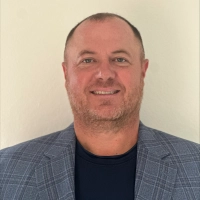 Ryan Camp
Owner & President, Harrington Air Conditioning
Proactive Problem-Solving in HVAC Emergencies
Situations outside our direct control often involve delays in receiving replacement parts for customers. We always maintain an inventory of commonly used parts, but there have been occasions when a manufacturer experienced a major logistical issue, and the estimated delivery date kept getting pushed back.
In these situations, our immediate priority is proactive communication. We contact the customer daily to provide updates—even when there is no new information. We explain the situation transparently, emphasizing that the delay is due to the manufacturer and beyond our influence. We also explore every possible alternative: checking with local suppliers, offering temporary space heaters to ensure comfort, and even researching if a compatible part could be installed as a stopgap measure.
We also prioritize their installation appointment as soon as the part is in hand, working to get their system back up and running quickly. After the repair, I personally follow up with the customer to ensure everything is working correctly and to apologize again for the inconvenience. In most cases, despite a frustrating delay, our consistent communication, proactive solutions, and willingness to absorb some of the cost help us maintain a positive relationship with the customer.
 Erika Friedrich
Operations Manager, A-Temp Heating & Cooling Inc.
Demo Boat Saves Family Vacation Plans
One memorable example of dealing with a customer issue that was outside of our control involved a delayed boat delivery due to a production backlog from the manufacturer. The customer had ordered a new center console in anticipation of a big family trip, and we had every reason to believe it would arrive on time. Unfortunately, supply chain disruptions hit, and the boat was delayed by several weeks—something completely out of our hands.
Understandably, the customer was frustrated. He had planned the trip around having the new boat and felt let down. The first step I took was to acknowledge the issue honestly—no sugarcoating or excuses. I explained the situation clearly, kept communication open, and committed to giving him regular updates, even when there wasn’t much new information to share. That transparency went a long way in maintaining trust.
To ensure he still got to enjoy time on the water, we offered him the use of a similar demo model from our inventory for the week of his trip, free of charge. It wasn’t the exact boat he’d ordered, but it allowed his family to still enjoy their vacation as planned. He was grateful—not just for the solution, but for the effort we put into making it right.
What I learned from that experience is that even when a problem is out of your control, your response isn’t. Being proactive, empathetic, and resourceful helped turn a disappointing situation into a positive memory—and it reinforced the kind of relationship-driven service we aim to deliver. The customer not only returned for service and accessories later on, but also referred friends who became buyers themselves. That kind of loyalty is built in the way you handle challenges, not just the easy wins.
 Jani Gyllenberg
Innovation & Business Development Manager, Marine Connection
SEO Strategy Overcomes Algorithm Change Impact
I once worked with a client in the e-commerce space who was facing a significant drop in organic traffic, and they were understandably frustrated. After diving into the issue, I realized the problem was tied to a change in Google’s algorithm, which impacted their rankings. Unfortunately, this was beyond our control.
Instead of panicking, I took a proactive approach. I first explained the situation clearly to the client, emphasizing that algorithm updates are a normal part of SEO and that we weren’t the only ones affected. I reassured them that we’d work together to adapt.
Next, I performed an in-depth audit to identify areas we could improve. We focused on updating the site’s content with more relevant, targeted keywords and optimized their technical SEO—improving page speed and fixing broken links. I also suggested enhancing their backlink profile through targeted outreach to improve domain authority, which could help mitigate some of the ranking drops.
While I couldn’t immediately reverse the effects of the algorithm change, I kept the client in the loop with regular updates, including the steps we were taking and the progress we were making. Over the course of a couple of months, we started to see improvements in organic traffic, and I was able to show them tangible results in the form of increased keyword rankings and more meaningful website engagement.
By being transparent, proactive, and solution-focused, I was able to turn a tough situation into an opportunity to build trust with the client and ensure their satisfaction. Even though the issue was out of our hands, the way we handled it made all the difference.
 Peter Wootton
SEO Consultant, The SEO Consultant Agency