
Choosing Database Isolation Levels by Workload Pattern
Choosing the right database isolation level is really about matching data consistency guarantees with the shape of your workload. Get it wrong, and you either destroy throughput or allow subtle


Choosing the right database isolation level is really about matching data consistency guarantees with the shape of your workload. Get it wrong, and you either destroy throughput or allow subtle
Retrieval augmented generation looks deceptively simple on architecture diagrams. A vector database, an embedding model, a prompt, and an LLM. In practice, teams discover the hard part only after shipping:
Most observability debates look like tooling debates. One team wants Datadog, another argues for Prometheus and Grafana, someone else pushes OpenTelemetry plus a custom stack, and platform engineering quietly advocates

A primary–secondary topology (sometimes called leader–follower, master–replica, or active–passive) is one of the most common architectures used in distributed systems and databases. It is simple, predictable, and easy to reason
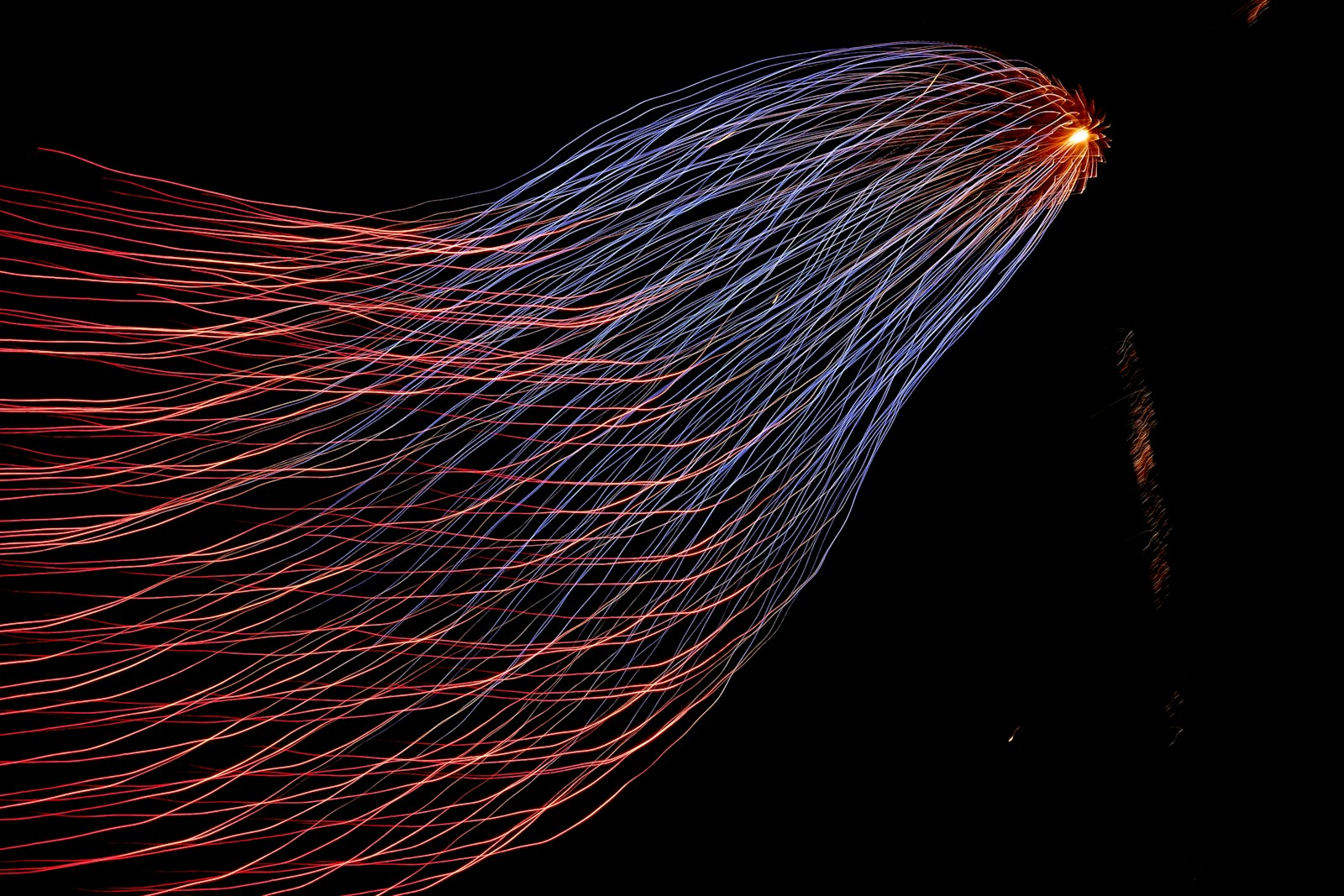
In large-scale systems, one request often triggers many parallel tasks. That pattern is called fan-out. Once those tasks finish, the system gathers the results back together through fan-in. These two

Most architecture strategies do not fail in dramatic postmortems. They erode slowly. The diagrams still look clean, the roadmaps still reference the same target architecture, and the teams keep shipping.

Most AI systems do not lose explainability because teams adopt deep learning or complex models. They lose it through a sequence of architectural decisions that seem reasonable in isolation but
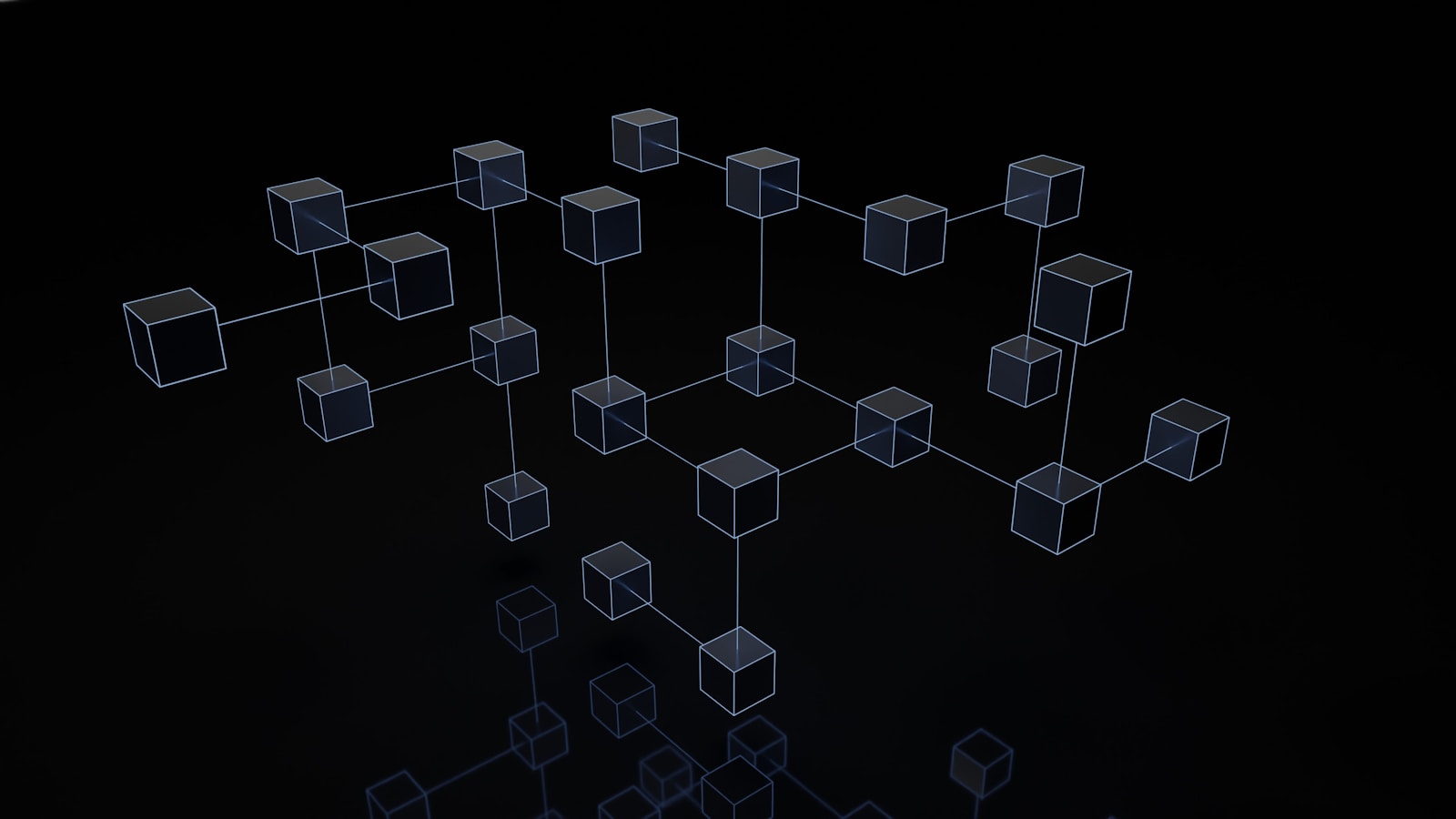
If you run distributed systems, databases, or data pipelines long enough, you eventually encounter a strange bug. A user updates something, refreshes the page, and… the change isn’t there. A
Every application eventually hits the same uncomfortable moment. Your product launches. Traffic grows. Everything works fine until suddenly the database becomes the bottleneck. Pages load more slowly. Background jobs lag.