There is an unavoidable delay that occurs every time a trader clicks the buy or sell button. That delay is called latency, and it is measured in milliseconds. Most retail traders never think about this, but it directly affects the profit they make.
What Causes Latency in a Retail Setup
Latency is the delay in time between when a trader executes a trade and when the trade is reflected in the forex market. The delay occurs due to the time it takes for data to move from the trading app to the broker’s server, and then to the market to buy or sell. This lag is very short but can quickly add up, especially for scalpers and day traders who benefit from quick transactions.
For example, a study by ForexVPS.net found that a setup with 75 milliseconds of latency experienced 1.70 pips more slippage over 120 trades compared to one that runs at under 1 millisecond. This latency comes from three places.
- The distance between the trader and the broker
Data travels through fibre optic cables at about 200,000 kilometres per second. And for every 1,000 kilometres of distance, there is a 5 milliseconds of unavoidable delay. So traders in the United States will naturally experience more delay than those in London if they are both connecting to a broker server in London.
- Computer hardware and internet connection.
Traders who use computers with slow processors or poor internet will generally experience delays that can reduce profits.
- Trading Software
Latency can also occur with a trading platform that has opened dozens of indicators and charts. This setup will respond more slowly when compared to a trading app without any background processes.
The good news is that retail traders can reduce latency without the sophisticated infrastructure that institutional firms use.
Practical Steps to Build a Low Latency Trading System
Here are several ways investors can reduce the latency associated with trading. Each process will solve one or more of the causes mentioned above.
Use a VPS Located Near Your Broker’s Server
This is the single most effective step a retail trader can take. A Virtual Private Server (VPS) is a virtualised environment that operates like a dedicated server, even though it runs within a larger physical machine. VPS acts as a remote computer for investors to run their trading platform 24/7, even when the main device is offline. Traders benefit immensely when their chosen VPS is located close to the trading server of the broker.
Most major forex brokers have their servers in data centres run by Equinix, particularly the NY4 facility in New York and the LD4 facility in London. A VPS hosted inside or near these locations can achieve latency as low as 1 to 3 milliseconds compared to a home internet connection, which typically runs between 50 and 200 milliseconds.
VPS plans designed for traders start at around $10 to $50 per month. Providers like ForexVPS, TradingFXVPS and QuantVPS specialise in this and offer servers optimised for trading platforms like MetaTrader 4 and MetaTrader 5.
Switch to a Wired Internet Connection
Many reports have affirmed that a wired Ethernet connection is much faster and more reliable than Wi-Fi. The difference in speed can reduce latency by as much as 10 to 50 milliseconds. So even traders who use a VPS should ensure their local connection is stable.
Choose a Reliable Broker
Some brokers route orders through multiple intermediaries before they reach the market, which adds unnecessary delay. Traders should choose brokers such as OANDA that use a market maker model or others that offer Direct Market Access.
Traders should also regularly run a simple ping test to the broker’s server to show the round-trip time in milliseconds. This can be done on most trading platforms and VPS providers with the available tools.
Upgrade Your Hardware
A modern processor, at least 16GB of RAM and an SSD instead of a traditional hard drive will reduce the time it takes for the trading platform to process data and send orders.
Keep Your Execution Charts Clean
Every indicator running on a chart consumes processing power. A chart loaded with 15 indicators, multiple timeframes and overlay tools will lag compared to a clean chart with only what is essential for execution. The practical solution is to separate analysis from execution. Traders should use one chart with all the indicators and tools for analysing the market and a second stripped-down chart purely for placing and managing trades.
Automate Where Possible
Finally, the reaction time of humans is between 200 and 500 milliseconds. Naturally, this is slower than most latency issues that traders try to fix with hardware. Most trading platforms have a programming language that traders can use to develop their own automated strategy. In the past, traders who wanted to turn their manual strategy into an automated trading robot or Expert Advisor had two difficult choices: either become a skilled programmer (learn Pine Script, C++, MQL4) or hire a developer and pay them hundreds of dollars.
But now, AI has become very advanced and can assist traders with coding to easily develop their own strategy. There are also many other advantages that come with using automated robots.
Who Needs to Worry About Latency
The steps mentioned above can help retail traders reduce latency by up to 80% or more compared to a standard home setup. It is important to note that, even though it is nice to have, not every trader needs sub-millisecond execution. For example, swing traders and position traders who hold trades for days or weeks will not notice much difference between 5 milliseconds and 100 milliseconds. However, scalpers and news traders will see improved results from these simple strategies. Other types of traders that benefit tremendously from low-latency systems include day traders and anyone running automated strategies.
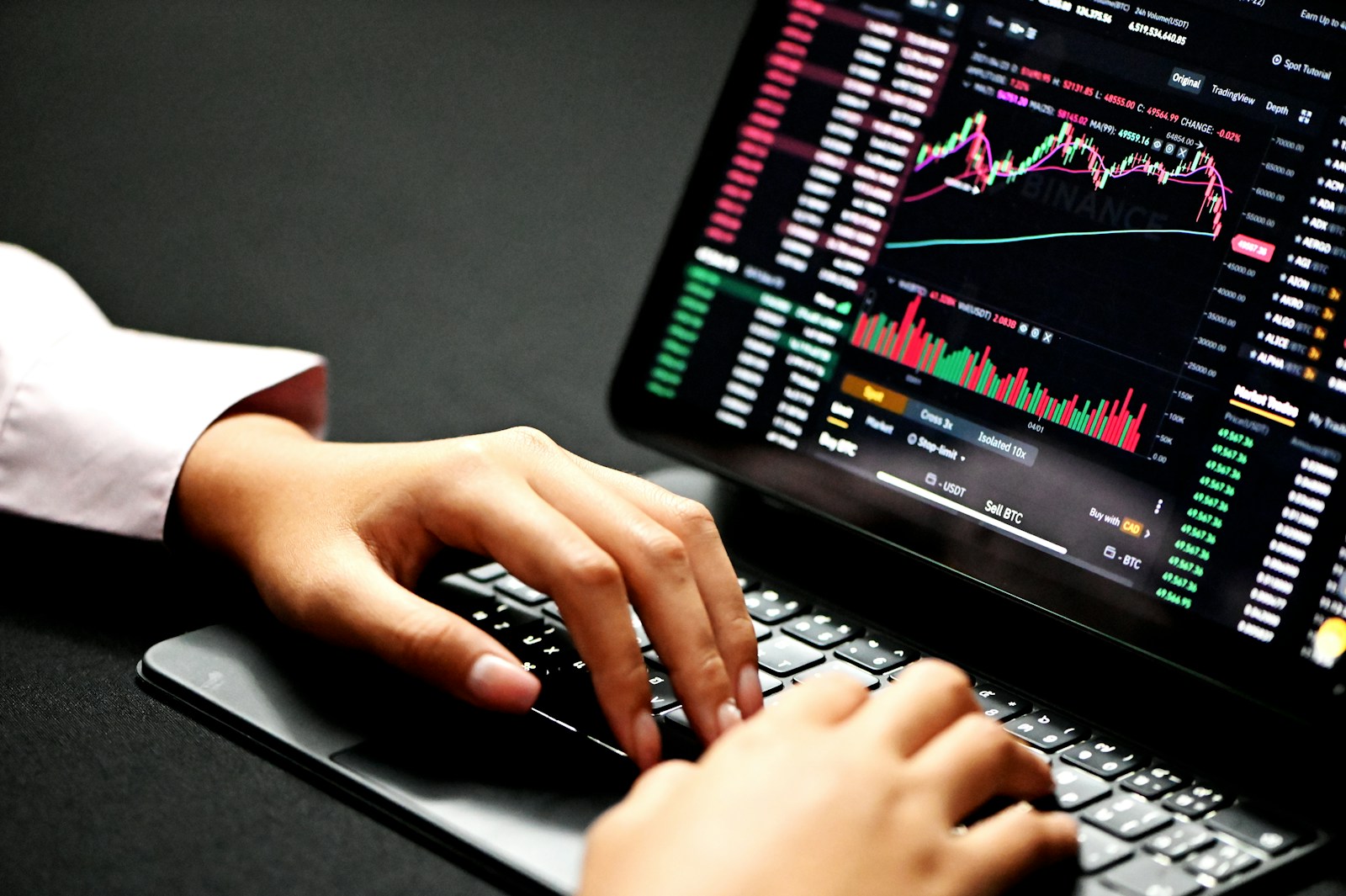
Photo by Kanchanara; Unsplash