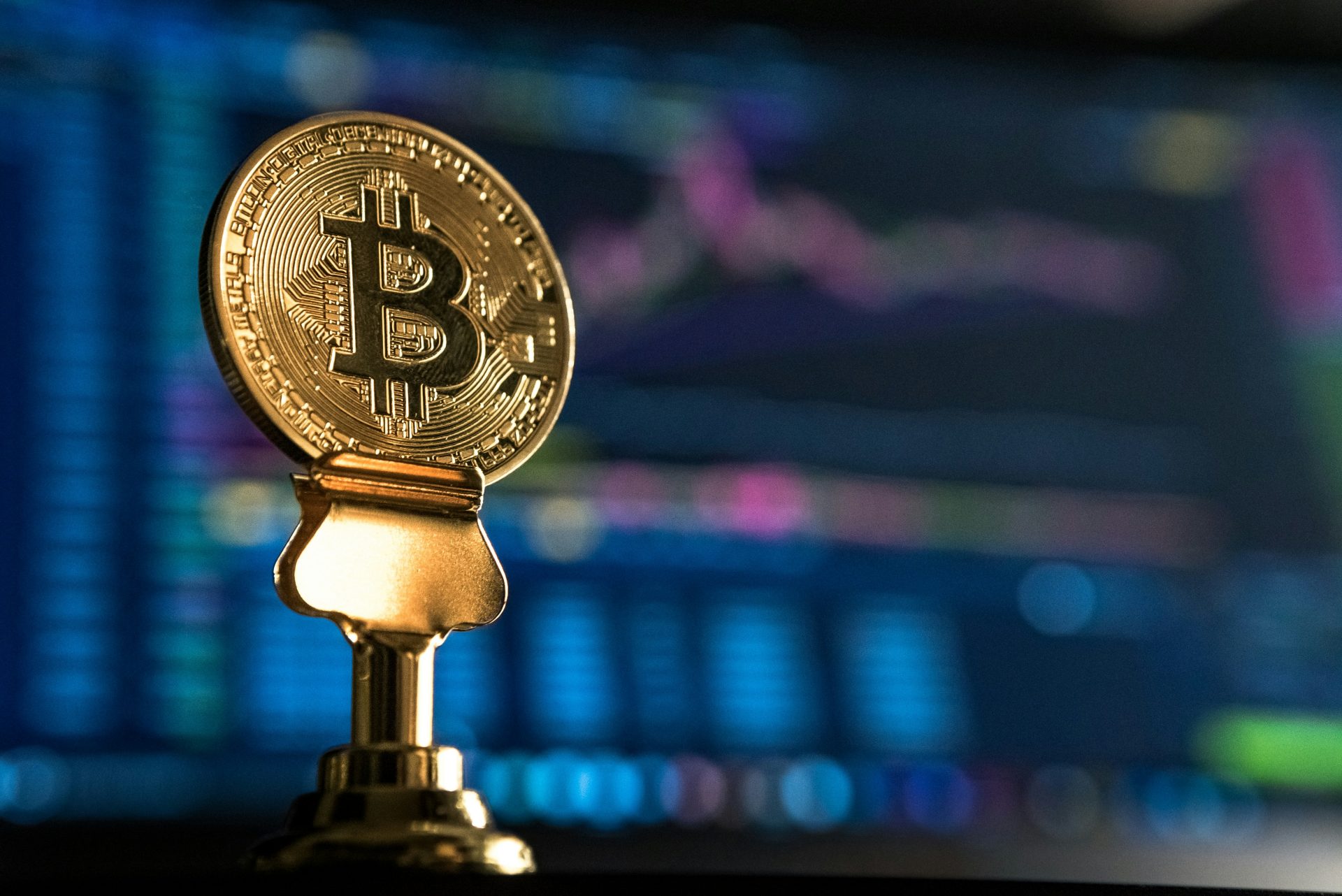
Bitcoin is the first-ever cryptocurrency – and the most valuable one. Before you rush out to buy this coin, you’ll want to hear from an expert for guidance because prices can swing wildly over short periods. Striking it rich is possible, but before investing, do your homework to ensure you understand the market. The future of Bitcoin is bright if you know where to look. There’s no better time than now to stop wondering, “Why haven’t I done it yet?” and take the plunge to shape a career in the future of finance. Keep reading if you’re curious about what will happen to Bitcoin in the next decade.
You’ll Be Able to Buy a Cup of Coffee with Bitcoin
You can buy cool things, pay upfront for services, and secure meaningful experiences with Bitcoin. But what if you’re in the mood for coffee? Buying a cup of Joe with cryptocurrency is a truly unique and intriguing experience that’ll leave you amazed: you come up to the barista, order your brew, transfer the requested amount of Satoshis, and await confirmation. Your small transaction and no fee attached wasn’t in on it, so you both shrug your shoulders and smile. When the transaction is finally confirmed, you have a real shock. High fees make it impractical to use Bitcoin in everyday life.
According to Binance, in a little while, we’ll be able to use Bitcoin to pay for things like coffee (doughnuts or beer). Things are moving faster than central banks and governments want, and they’ll somehow have to face it. According to Klippsten, by 2035, you can buy most goods and services with Satoshis, hopefully leading to a better life. Unless Bitcoin demonstrates long-term stability, it’ll unlikely replace the dollar and other well-circulated currencies. Until Bitcoin goes mainstream, fees are inevitable, so avoid peak usage times or use the Lightning Network as an instant payment solution.
Games Will Reward Players with The Future of Bitcoin
The popularity of NFTs and blockchain technology has influenced the direction of games, especially P2E games, where players are rewarded for their time and effort. Ethereum, TRON, Solana, and Polygon are used to create games. Bitcoin, not so much. It hosts some gaming projects, like Spells of Genesis, where players collect and trade cards representing in-game characters or items. Blockchain gaming is a relatively new space, so there’s much to be excited about as more of our favorite games will use cryptocurrency. If you enjoy playing games, you can make extra cash from your hobby; the amount earned is usually low, so it can take a long time to accumulate a large sum of money.
Some games reward players with cryptocurrency that can be spent in the real world. Soon enough, gamers can redeem Bitcoin through achievements like completing quests or winning battles, and it’s all thanks to the Lightning Network that simplifies transaction synchronization. Bitcoin is the currency of the Internet (i.e., Internet gold), so it only makes sense that it should exist in games. In-game economies are typically controlled by developers or publishers who decide the value and scarcity of purchasable items and currencies. With Bitcoin, anyone can participate in the marketplace, and the worth of in-game assets depends on supply and demand.
The Future of Bitcoin And AI
When you think about the catalysts that’ll push Bitcoin to a new all-time high, the rollout of new ETF trading products or the halving are the first things that come to mind. Aren’t we forgetting something? Developments like artificial intelligence will have a far bigger impact on the future of Bitcoin. AI companies and projects can use the Lightning Network for micropayments and low fees to streamline collaboration and cost-sharing. Just think about it. Training models like GPT-4 costs more than $100 million, so the Lightning network fits in perfectly. People from all over the world can participate in fine-tuning AI and get paid in Bitcoin.
MorpheusAI is building a decentralized platform for smart agents to transact and spend cryptocurrency, fusing AI’s analytical capabilities with blockchain’s efficiency and security. Indeed, Morpheus is chain agnostic and doesn’t discriminate on the type of hardware used as long as it meets users’ needs, but there’s potential for the future of Bitcoin. Now, let’s talk about AI and cryptocurrency mining, which share a common need for high-end computer chips and robust data analysis. Instead of competing with AI data centers, miners should venture into AI domains and expand into cloud computing. From adjusting operations to market conditions to monitoring the health of mining rigs, AI can turn out to be invaluable.
Bitcoin Will Finally Fulfill Its Potential as A Store of Value
Some assets lose their value with time, but not Bitcoin. The cryptocurrency’s highest price ever, recorded in March 2024, was only 6% higher than in April 2024. Bitcoin has an immutable supply, ensures all transactions are legitimate, and secures users’ sensitive information. Many use cases might be brought into existence, but Anthony “Pomp” Pompliano believes Bitcoin’s core proposition is a global store of value. Bitcoin can function as a store of value because it presents the following attributes: scarcity, divisibility, acceptability, portability, durability, and uniformity. The public (and some private enterprises) is confident the future of Bitcoin will retain its purchasing power, at least to some degree.
Money is necessary for trading goods and services, but it’s equally important to have a store of value to secure a better future for ourselves. There’s no denying that fiat currencies are a suitable medium of exchange, but they’ve never been useful stores of value amid inflation and economic chaos. Initially viewed as a speculative investment, Bitcoin is increasingly recognized as a good store of value – it represents sound money. Thanks to its decentralized nature, Bitcoin isn’t subject to the same political/economic pressures that affect standard currencies.
Conclusion
There’s no telling what will happen for sure to Bitcoin’s blockchain and the network supporting it, so we can only speculate. What you see in the future of Bitcoin depends on your position.

Kyle Lewis is a seasoned technology journalist with over a decade of experience covering the latest innovations and trends in the tech industry. With a deep passion for all things digital, he has built a reputation for delivering insightful analysis and thought-provoking commentary on everything from cutting-edge consumer electronics to groundbreaking enterprise solutions.