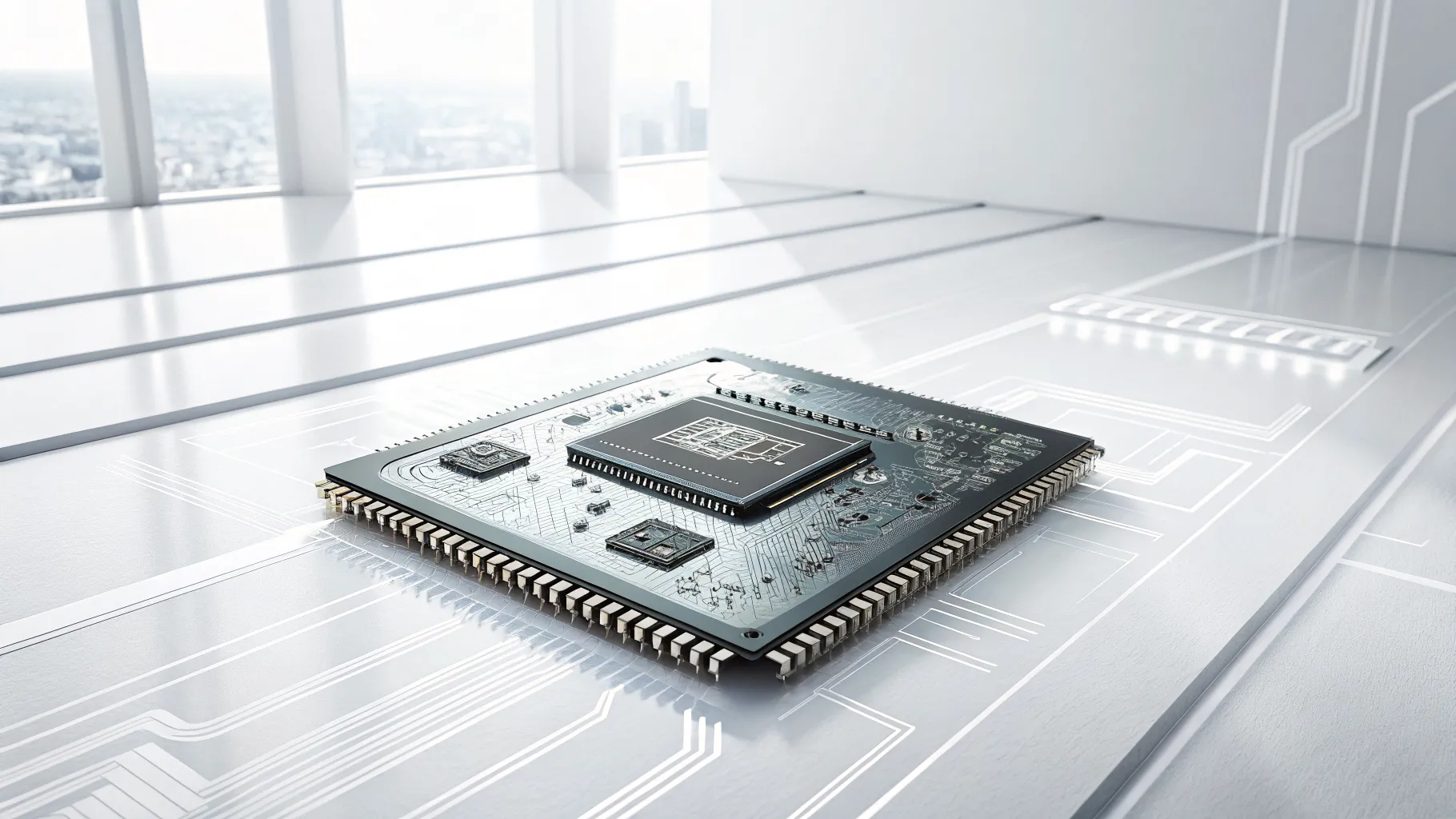
A young chipmaker plans to go public later this year, betting that custom hardware for artificial intelligence inference can win orders in a market long led by Nvidia.
The company designs processors meant to speed up how trained AI models answer user prompts in data centers and at the edge. It is positioning itself as a lower-cost, power-efficient option for running chatbots, image tools, and recommendation engines. The move signals growing pressure on Nvidia’s grip over AI computing and shows investors are still backing specialized chips.
Market Context: Inference Takes Center Stage
AI systems rely on two phases: training and inference. Training builds a model, while inference runs it at scale. Demand for inference is rising as more apps move from tests to daily use. Companies want faster responses and lower energy bills.
Nvidia has set the pace with its graphics processors and software tools. That lead has steered much of the recent AI buildout. But buyers now seek a mix of parts to control costs and meet power limits. That shift opens doors for startups focused on specific workloads rather than general-purpose chips.
The Company’s Pitch
The startup, which is planning to go public later this year, designs chips specifically for AI inference, another challenger to Nvidia’s dominance.
The firm’s message is clear. It wants to win where latency, throughput, and total cost per query matter most. Inference-heavy tasks, such as ranking search results or scanning content, must serve millions of requests with tight budgets. That is where custom accelerators can stand out, especially if they integrate cleanly with popular AI frameworks.
Specialization may also help with energy use. Data center operators face power constraints and rising utility costs. Chips tuned for inference can target lower wattage per request, which appeals to cloud providers and large enterprises.
IPO Timing and Investor Interest
An offering later this year would test public appetite for AI hardware bets beyond market leaders. Chip startups often face long sales cycles and require large capital to scale production. Yet the promise of demand from cloud services, device makers, and software firms continues to draw interest.
Public markets could give the company funding for manufacturing, software support, and go-to-market programs. It could also add credibility with large buyers who prefer vendors with stronger balance sheets and long-term support plans.
Competitive Pressures and Execution Risks
Winning share from Nvidia will not be easy. Many customers rely on Nvidia’s software stack and developer tools. Switching can mean code changes, retraining staff, and new performance tests. Buyers also weigh supply stability and long-term product roadmaps.
Other large chipmakers and cloud providers are in the chase as well. Some design their own AI chips. Others partner with multiple vendors to keep options open. The startup must show strong performance per dollar, reliable support, and smooth integration with widely used AI libraries.
What Adoption Could Look Like
If the company can prove gains in speed, cost, or energy use, early wins may come in high-volume inference jobs. Content filtering, recommendation systems, and speech services are likely targets. Success often depends on software maturity, toolkits, and drop-in compatibility with existing workflows.
Enterprises will ask for clear benchmarks, easy deployment, and predictable availability. They will also look for a credible product roadmap and support for key model types, including large language and vision models.
What to Watch Next
- Performance benchmarks that compare real-world inference tasks and costs.
- Partnerships with cloud providers, model builders, or major software platforms.
- Manufacturing capacity and delivery timelines for high-volume orders.
- Software stack maturity, including compilers, SDKs, and framework support.
The company’s plan to list this year highlights a maturing AI supply chain. Buyers want more than raw speed. They want predictable costs, low power use, and stable tools. If this startup meets those needs, it could carve out a place in inference work. If not, Nvidia’s advantage will likely hold.
Investors and customers will look for proof in pilots, production deals, and steady software updates. The next few quarters will show whether a focused approach to inference can secure lasting share in AI computing.

A seasoned technology executive with a proven record of developing and executing innovative strategies to scale high-growth SaaS platforms and enterprise solutions. As a hands-on CTO and systems architect, he combines technical excellence with visionary leadership to drive organizational success.