U.S. electricity use is set to hit a new record in 2025 as data centers for artificial intelligence and cryptocurrency add heavy loads to an already growing grid. The Energy Information Administration expects consumption to climb as homes and businesses also plug in more devices, signaling a shift that could reshape how power is produced and delivered nationwide.
The outlook has utilities and grid planners moving to secure new supplies and balance reliability with climate goals. NRG Energy said it is adding natural gas generation and building a virtual power plant to help meet demand. “We are in the early stages of a power demand supercycle,” CEO Larry Coben said, framing the scale of change facing the sector.
Record Demand Forecast for 2025
The EIA projects record electricity consumption next year. That forecast reflects rapid digital growth and steady economic activity. It also reflects the spread of electric devices in daily life, from heat pumps to vehicles and commercial equipment.
The near-term picture is clear: more power will be needed at more hours of the day. Peak demand could strain aging transmission lines and local substations, especially near clusters of new facilities.
What Is Driving the Surge
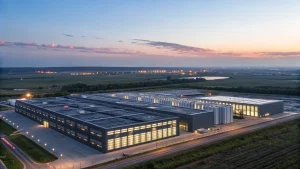
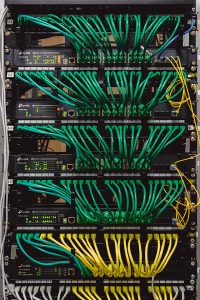
Data centers are the main new load. AI training and inference require rows of high-performance chips that run around the clock. Cryptocurrency mining continues to draw large amounts of electricity, even as operations shift to markets with lower costs.
- AI model training and cloud services are energy intensive.
- Crypto mining adds large, often flexible, loads to the grid.
- Homes and businesses are using more electric devices.
Together, these factors are pushing utilities to rethink planning timelines that once spanned a decade or more.
Utilities Race to Add Capacity
NRG’s plan includes new natural gas generation and a virtual power plant that aggregates resources to act like a single power station. The aim is to add fast, dispatchable supply while tapping distributed energy on the customer side.
“We are in the early stages of a power demand supercycle,” said NRG CEO Larry Coben.
Virtual power plants can knit together battery storage, smart thermostats, rooftop solar, and backup generators. In tight hours, these assets can discharge power or reduce consumption, easing stress on the grid.
Gas plants remain an attractive option for many utilities because they can start quickly and fill gaps when wind or solar output is low. Critics warn that new fossil assets could lock in emissions for years if not paired with clear retirement or carbon reduction plans.
Balancing Reliability and Climate Goals
Regulators face a tough tradeoff. Keeping the lights on during extreme weather and high load is non-negotiable. But new fossil generation can slow progress on state and corporate climate targets.
Energy experts point to a mix of solutions. These include faster interconnection for clean energy projects, more transmission lines, and storage that can shift solar and wind into evening peaks. Demand response programs that reward customers for cutting use during critical hours are also expanding.
Some city leaders welcome data centers for jobs and tax revenue. Others worry about water use for cooling and higher local power prices. Communities are asking for transparency on siting, energy sourcing, and grid upgrades.
Costs, Siting, and the Consumer View
New capacity and lines require investment that often flows into rates. Consumer advocates are urging careful review to avoid overbuilding or passing on unfair costs. Companies seeking power are negotiating long-term contracts that can support new projects, but they also shape who pays and how much.
Location is key. Placing large loads near renewable resources and strong transmission can lower costs and emissions. Poorly sited projects can cause bottlenecks and delays.
What to Watch Next
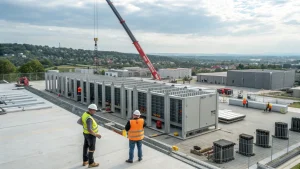
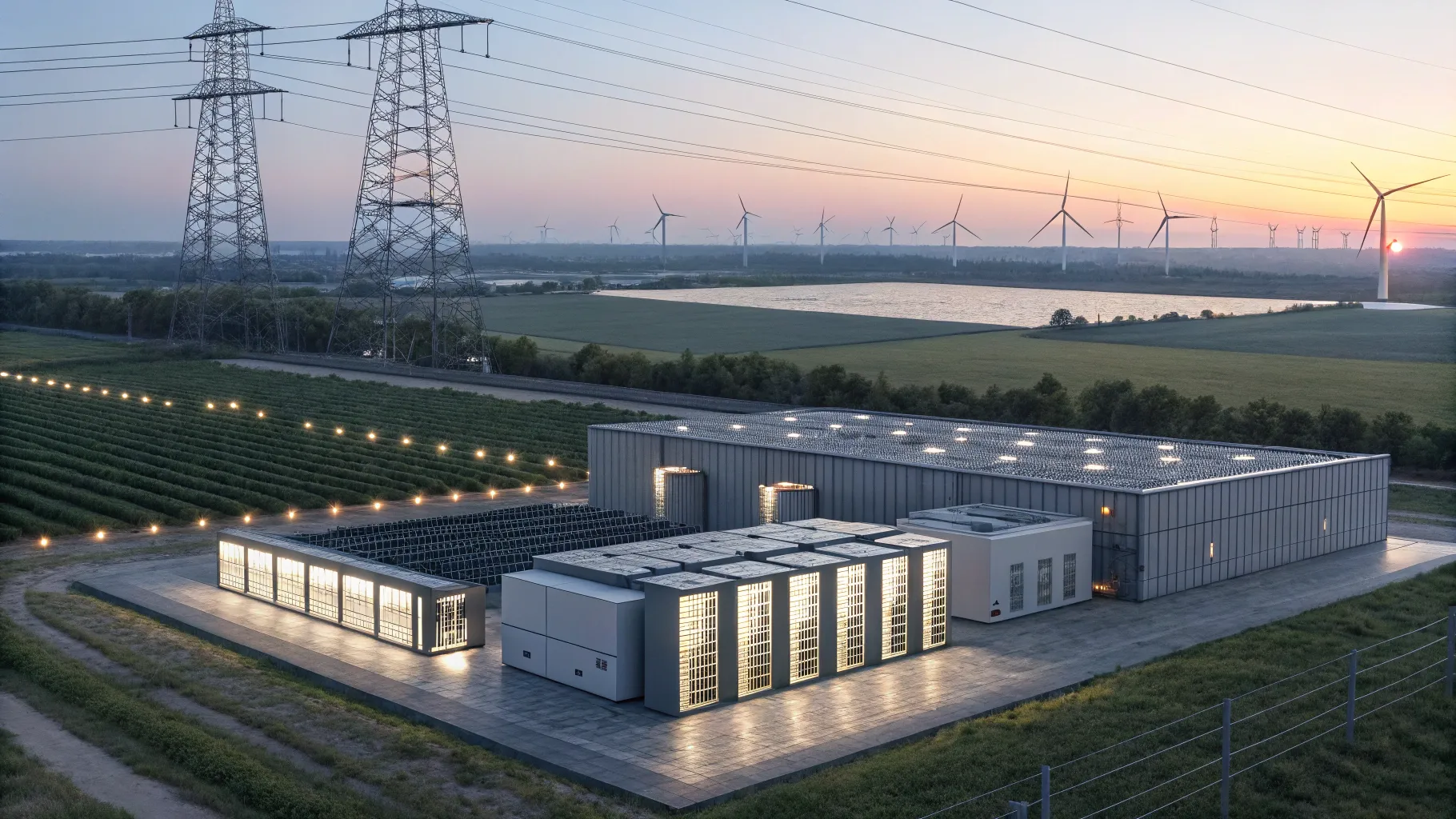
Developers are testing on-site solutions, such as battery banks and, in some cases, dedicated gas units, to reduce grid stress. Utilities are updating load forecasts more often, reflecting the speed of AI growth. Policymakers are weighing incentives for storage, grid upgrades, and efficiency to keep demand in check.
The next 18 months will show whether new projects, virtual power plants, and demand-side programs can keep pace. If they do, the grid can handle higher digital loads with fewer outages and more stable prices. If not, regions may face tighter operating conditions and cost pressure.
For now, the direction is set: electricity demand is rising fast. The pace of new supply, smarter consumption, and strategic siting will determine how well the grid responds.

A seasoned technology executive with a proven record of developing and executing innovative strategies to scale high-growth SaaS platforms and enterprise solutions. As a hands-on CTO and systems architect, he combines technical excellence with visionary leadership to drive organizational success.