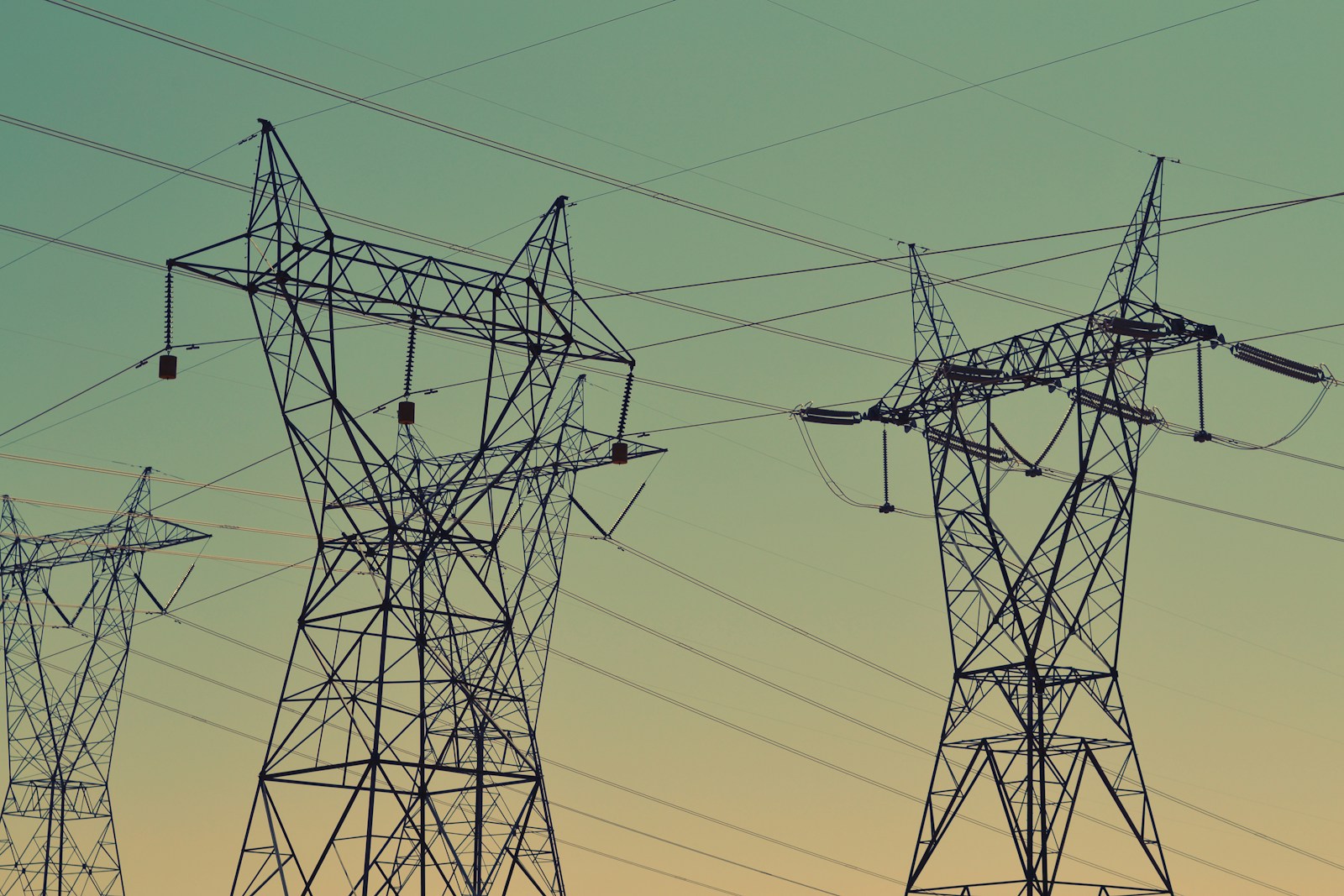
Artificial intelligence is causing a surge in electricity demand that could strain the power grid and harm public health.
#AI's power demands are increasing deadly air pollution. Read more ⬇️ @UCRBCOE @renshaolei #pollution #ArtificialIntelligence https://t.co/8yaZ0TfWxg
— UC Riverside (@UCRiverside) December 10, 2024
Researchers estimate that by 2030, AI-related electricity generation could cause an additional 1,300 premature deaths annually in the US, a 36% increase. The health impacts of air pollution from AI facilities have been largely ignored.
The boom in artificial intelligence has resulted in a spike in electricity demand. Consulting firm McKinsey & Co. projects that AI’s electricity consumption will significantly increase by 2030.
AI is the fastest-growing sector for energy consumption across all industries 💻
Researchers at @UCRiverside @Caltech have found that the #AirPollution it creates is already becoming a #PublicHealth burden. Learn more 🔽 @renshaolei https://t.co/Vtl31npCCw
— Clean Air Fund (@CleanAirFund) December 10, 2024
Training large language models, such as Meta’s Llama 3.1, generates significant emissions.
New study: Before you use AI, consider the water, energy and health impacts: https://t.co/uch6w0SwK6
— Ginger Zee (@Ginger_Zee) December 10, 2024
It equates to as much air pollution as a car driving round trip from New York to Los Angeles 10,000 times. A team of researchers from the University of California, Riverside, and the California Institute of Technology conducted a study called “The Unpaid Toll: Quantifying the Public Health Impact of AI.” They found that generating electricity for AI data centers could trigger around 600,000 asthma-symptom cases annually by 2030.
In 2022, the generative-AI boom led to a public-health burden of $5.6 billion.
As AI continues to transform industries, Lane chair Anurag Srivastava's insightful analysis explores the challenges and potential solutions for balancing surging energy needs with sustainable practices🌍🔋:https://t.co/lKeHgjhrrD
— WVU Statler College (@wvustatler) December 9, 2024
By 2030, AI’s electricity-related public-health costs could top $20 billion, more than double the public-health costs of US coal-based steelmaking. The study also examined the impact of diesel generators used by data centers for backup power.
AI’s impact on energy burden
In Virginia, one of the densest collections of data centers, diesel generators produce 200 to 600 times more nitrogen dioxide per unit of power than natural gas plants, leading to significant health risks. Even if Virginia’s permitted generators emit just 10% of what regulations allow, they could cause an additional 13 to 19 deaths annually.
At full allowable emissions, this could rise to 130 to 190 deaths. The public-health burden could range from $220 million to $3 billion annually, depending on emission levels. These health effects are not confined to Virginia.
Air pollution travels, affecting areas in Maryland, West Virginia, New York, New Jersey, Pennsylvania, Delaware, Washington, DC, and as far as Florida. The harmful effects are disproportionately felt by economically-disadvantaged communities. The researchers call for greater transparency from the major tech companies leading large-language-model training, including Amazon, Google, Microsoft, and Meta.
These companies do not detail the air-pollution impacts of their AI operations in their annual sustainability reports. “They should start reporting this in the same way they report carbon and water usage,” said Shaolei Ren, one of the researchers. Understanding the broad dispersion of negative health outcomes could encourage AI companies to alter their site locations or AI training schedules.
Health impacts are higher during the day, and some locations have different health effects. As AI continues to grow, it is important to address its impact on public health and the environment.

April Isaacs is a news contributor for DevX.com She is long-term, self-proclaimed nerd. She loves all things tech and computers and still has her first Dreamcast system. It is lovingly named Joni, after Joni Mitchell.