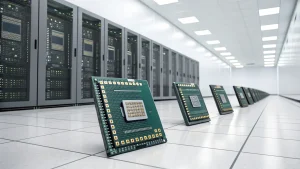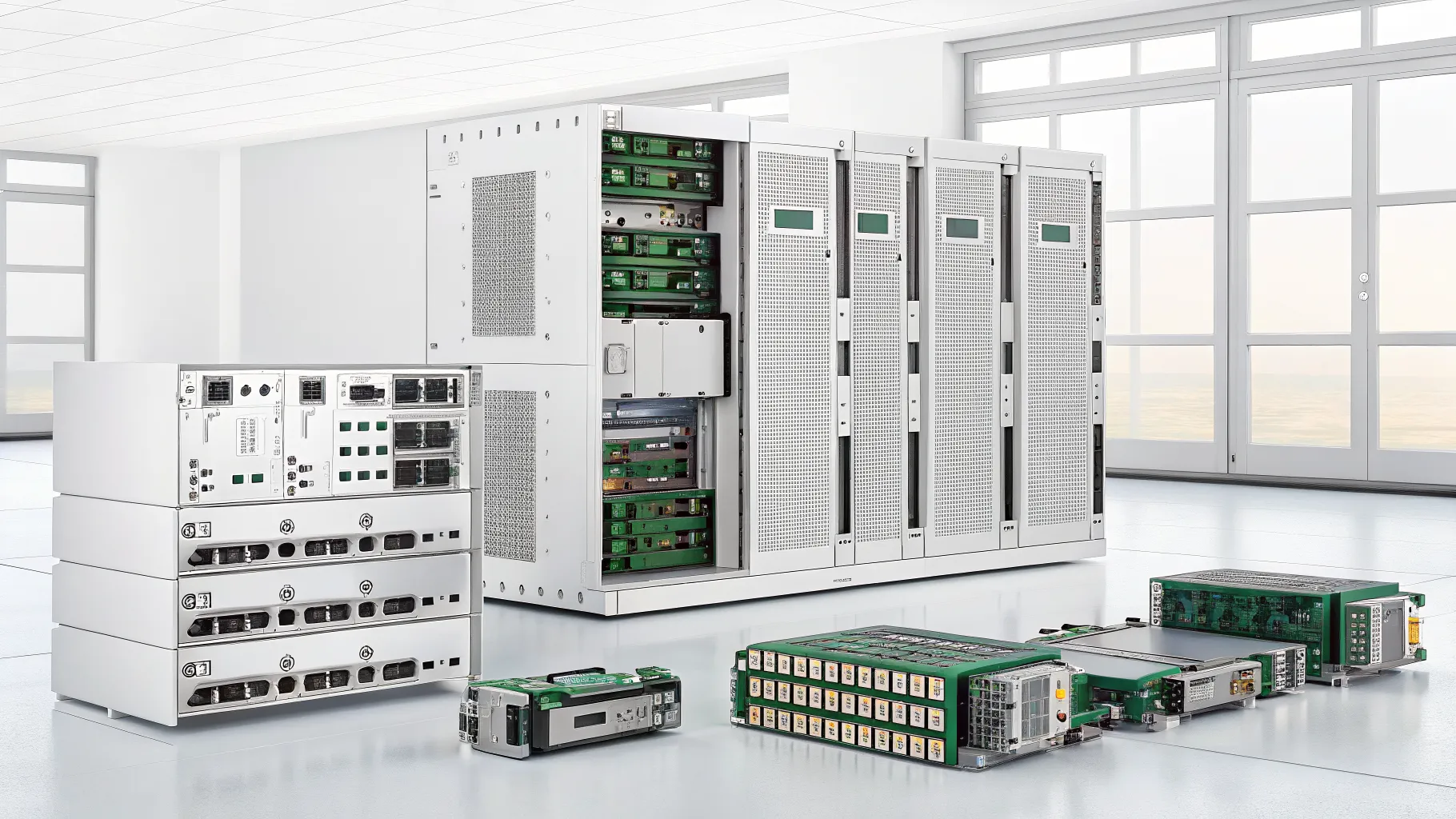
AI companies are changing how they buy compute, moving from single chips to full systems that tie processors, memory, networks, and power into one plan. The shift is reshaping budgets, partnerships, and data center designs across the sector.
The core message is simple. Training and running large models now demand coordinated hardware at scale. That means GPUs, CPUs, high-speed interconnects, and storage must arrive together and work as a unit. As one industry voice framed it:
The days of tech giants buying up discrete chips are over. AI companies now need GPUs, CPUs, and everything in between.
The change is visible across cloud platforms, AI labs, and startups building specialized services. Procurement teams now negotiate for complete racks or even aisles, not just processors. Vendors pitch tuned bundles rather than parts, promising predictable performance and delivery.
From Parts to Platforms
In earlier cycles, major buyers chased the fastest single chip. That approach worked when workloads were smaller and networks were not the bottleneck. Today’s AI clusters spread training across thousands of accelerators. Data must move fast and reliably, or performance stalls.
As a result, firms purchase platforms that align compute, memory, and fabric. They measure success by throughput, energy use, and time to train, not just raw chip speed. Integrators and original equipment makers now act as key partners, handling assembly, testing, and delivery schedules.
Why the Shopping List Grew
Three trends are driving this change. First, model sizes keep rising, which lifts demand for parallel compute. Second, inference is now a steady load, not an afterthought, so companies need reliable, lower-latency systems. Third, power and cooling limits force tighter planning between hardware and facilities.
- Compute: GPUs and CPUs matched to workload mix.
- Networking: High-bandwidth interconnects for multi-node training.
- Memory and storage: Fast tiers to feed accelerators.
- Power and cooling: Designs that fit site constraints.
- Software stack: Drivers, orchestration, and monitoring aligned to the build.
This bundle approach can cut integration risk. It also shortens time from delivery to production. But it raises the stakes. A delayed component can hold up an entire cluster.
Supply Chain and Pricing Pressures
Demand for advanced accelerators still outstrips supply in many quarters. Companies hedge by signing multi-year agreements and second-sourcing memory, networking, and power gear where they can. Lead times remain a planning risk, especially for custom builds.
Pricing has followed. Buyers accept higher upfront costs in exchange for guaranteed slots and service commitments. Vendors respond with longer support windows and trade-in paths to handle rapid upgrade cycles.
Facilities are another squeeze point. Power availability and cooling capacity cap growth in several regions. This pushes buyers to optimize energy per token trained or served, not just peak speed.
Winners, Losers, and Lock-In
System integrators and cloud providers stand to gain. They can assemble, host, and run tuned stacks and sell them as capacity or managed offerings. Networking and memory suppliers also benefit when full-stack performance becomes the metric that matters.
The risk is lock-in. When hardware, fabric, and software arrive as one, switching later can be costly. Some buyers push for standard interfaces and modular designs to keep options open. Others accept tighter alignment to hit near-term performance targets.
Startups face hard choices. Owning hardware can protect margins and quality, but it ties up capital. Renting capacity can speed launches, yet leaves them exposed to price changes and shortages. Many are mixing both, with on-demand bursts for peaks.
What Comes Next
Expect more co-design across chips, networks, and software. Vendors will promote pre-validated clusters tailored for training or inference. Energy efficiency will weigh more in purchase decisions as sites max out power budgets.
AI firms will also look for flexible contracts. Capacity that can re-balance between training and inference will carry a premium. Buyers will ask for clearer performance data and service-level terms that match production needs.
Open standards may gain ground where they reduce friction without cutting performance. Where speed matters most, tightly tuned stacks will still win. The market will likely split along those lines.
The move from parts to platforms marks a new phase for AI infrastructure. Procurement now hinges on total system throughput, delivery certainty, and energy use. Companies that plan across the full stack will be better positioned as demand grows and supply stays tight.

A seasoned technology executive with a proven record of developing and executing innovative strategies to scale high-growth SaaS platforms and enterprise solutions. As a hands-on CTO and systems architect, he combines technical excellence with visionary leadership to drive organizational success.