Artificial intelligence is moving from novelty to workflow in Hollywood, raising new opportunities and fresh debates. Tech reporter Kurt “CyberGuy” Knutsson described how the tools are beginning to change film and TV production during a recent appearance on Fox & Friends, as studios and unions adjust to a fast shift in creative work. The discussion lands as writers, actors, and producers weigh gains in speed against questions of credit, consent, and pay.
Why It Matters Now
The conversation comes after a year of labor talks that put AI at the center of the industry’s rules. In 2023, the Writers Guild of America secured language that bars studios from using AI to write or rewrite credited scripts. It also allows writers to use AI if their employers agree, while keeping human writers as the source of credit. Later in 2023, SAG-AFTRA won consent and compensation protections for digital replicas of performers.
These agreements set guardrails but leave room for experimentation. Studios are testing new tools in preproduction, on set, and in postproduction. The pressure to cut costs and meet streaming schedules is pushing adoption, even as artists demand clear lines on authorship.
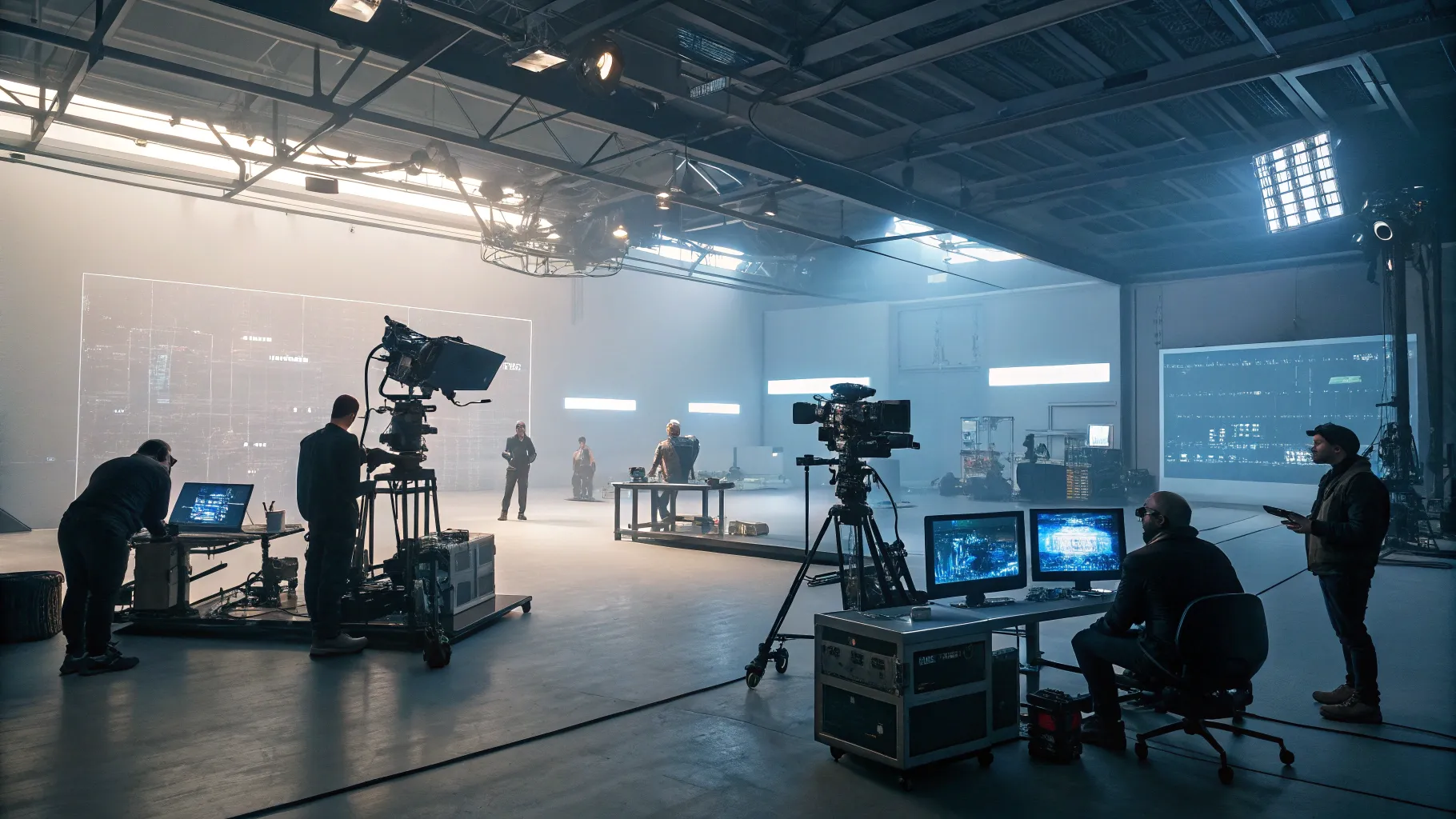
What AI Can Do On Set
AI is being used to plan shots, create storyboards, speed up background VFX, and clean audio. It can analyze dailies, flag continuity issues, and generate quick drafts of marketing copy. Translators and dubbing tools can match mouth movements for multiple languages.
- Text tools help outline scenes and summarize research.
- Visual models produce concept art and previsualization.
- Audio tools clone ambient sound and repair dialogue.
- Localization systems retime lips for foreign releases.
Producers say these steps can shave days from tight schedules. Directors say they gain more versions to consider early, when changes are cheaper.
Jobs And Skills
Adoption will change roles rather than erase them overnight. Writers may be asked to supervise AI-assisted drafts, then shape them into finished scripts. Art departments could move from hand sketches to AI-guided iterations, with artists curating and refining images. VFX teams may offload routine tasks to models and focus on hard shots.
New jobs are emerging, such as data wranglers who manage model inputs and rights, and AI supervisors who track how tools are used. Training budgets are likely to rise as crews learn prompt design, verification, and quality control.
Legal And Ethical Guardrails
The biggest friction points remain consent and compensation. Performers want explicit opt-in for face and voice cloning, limits on reuse, and clear pay for any digital doubles. Writers want guarantees that AI outputs do not replace human credit or residuals. Copyright questions are also heating up, especially when models are trained on protected works.
Union contracts now require consent and pay for digital replicas, but enforcement will be watched closely. Studios that move faster than the rules risk public blowback and legal fights. Transparent disclosures, watermarks for synthetic media, and audit logs of tool use are becoming best practices on set.
Money And Timelines
The promise is lower costs and fewer delays. Early tests suggest AI can cut some previsualization expenses and reduce pickup shots. Localization budgets may fall as machine dubbing improves. But savings are not automatic. Quality checks, rights clearances, and retakes still add up.
Studios that invest in training data, ethics reviews, and human oversight may avoid costly reshoots and PR crises. Independent producers could benefit most if affordable tools shorten postproduction without hurting quality.
What To Watch Next
Three areas will show how fast this shift moves:
- Union negotiations: Future contract cycles will refine rules for credit, consent, and residuals tied to AI use.
- Case law: Court rulings on training data and copyright will shape what models can learn from.
- Audience trust: Viewers’ reactions to de-aging, synthetic voices, and AI-written dialogue will determine what sticks.
Knutsson’s focus on practical use reflects a wider trend: AI is becoming a set of everyday tools, not a single system. The winners will be teams that keep humans in charge, document tool use, and share credit fairly.
Hollywood is unlikely to swap people for models at scale, but the work will change. Clear rules, smart oversight, and ongoing training can keep the gains while protecting creative labor. Watch for tighter policies on digital replicas, broader use of AI in localization, and new credits that recognize AI supervision as a defined craft.

Senior Software Engineer with a passion for building practical, user-centric applications. He specializes in full-stack development with a strong focus on crafting elegant, performant interfaces and scalable backend solutions. With experience leading teams and delivering robust, end-to-end products, he thrives on solving complex problems through clean and efficient code.