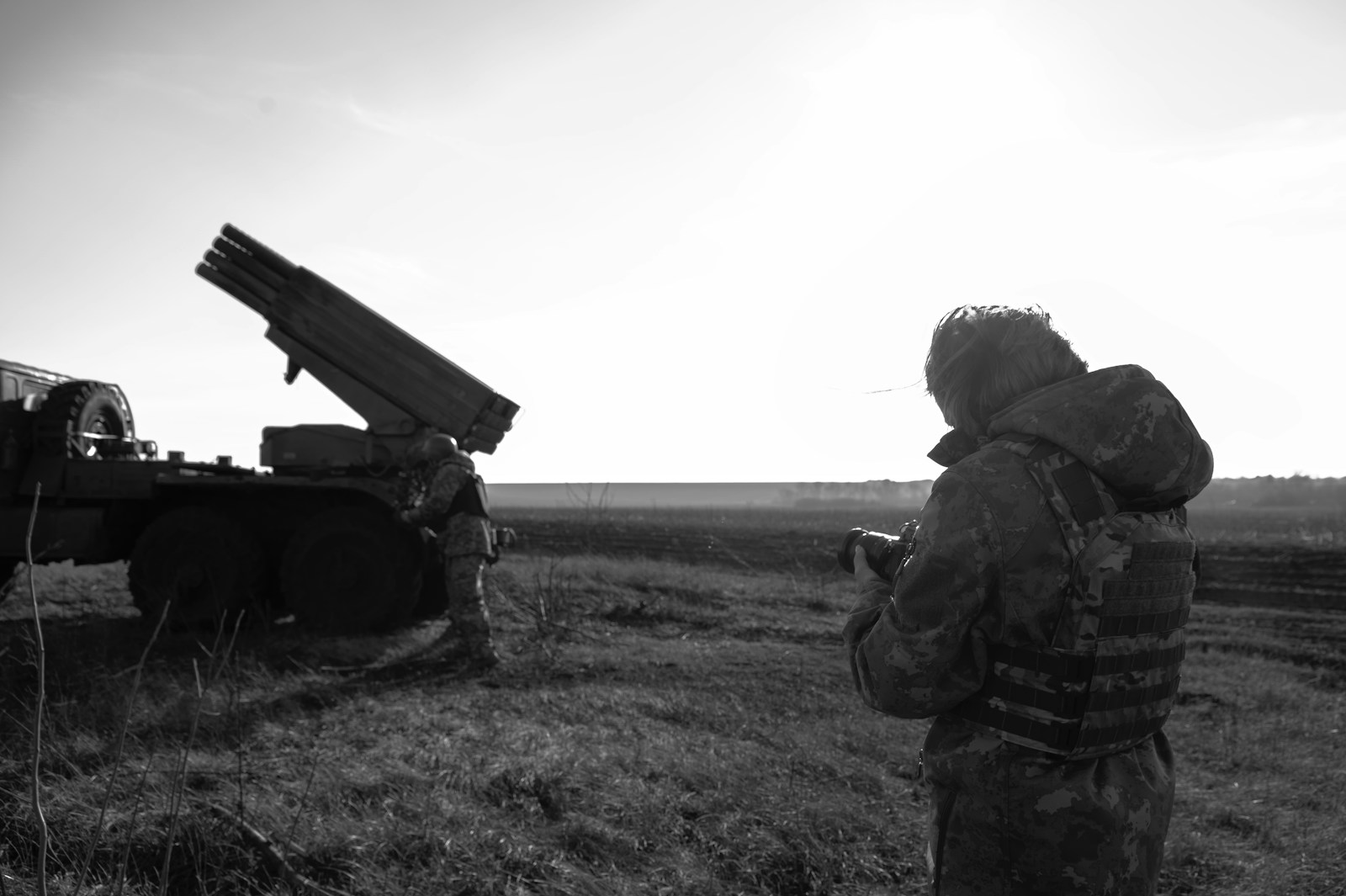
As the war continues, both Ukraine and Russia are relying on artificial intelligence to gain speed and precision on the battlefield. The push promises faster targeting and sharper reconnaissance but also raises high-stakes questions about control, accountability, and escalation.
Commanders want tools that can sort drone feeds, flag threats, and predict enemy moves. Yet the pressure to automate decisions in a live conflict creates a dangerous trade-off. The central question is straightforward: how much authority should machines have when lives are at stake?
Background: A War Remade by Code and Drones
Since Russia’s full-scale invasion in 2022, the conflict has become a testing ground for drones, sensors, and software. Cheap quadcopters deliver munitions. Long-range systems scout trenches and supplies. Software stitches together maps from video and satellite imagery.
AI fits into this toolkit by filtering data and suggesting targets. It can help triage threats faster than humans working alone. Both sides prize that speed. It can save ammunition, expose hidden positions, and protect troops.
But the line between “decision support” and “decision making” can blur. A model trained to identify vehicles or artillery might push a strike list to a unit with little time to review it. In a hot fight, the temptation to trust the screen is hard to resist.
How AI Is Being Used on the Front
AI already plays several roles in the conflict:
- Automated target recognition from drone and satellite imagery.
- Route planning and deconfliction for drone swarms.
- Signal analysis to locate jammers and radars.
- Predictive tools to anticipate artillery fire or troop movements.
These systems speed up the “find, fix, finish” cycle. They can also reduce the time soldiers spend exposed while scouting. That is why demand is high for algorithms that work in poor weather, at night, and under heavy jamming.
The Case for Human Oversight
“Both Ukraine and Russia use AI in battle, but removing human decision-making comes with risks.”
The central risk is error without accountability. Models can mislabel civilian objects. They can be fooled by camouflage, decoys, or poor lighting. A false positive in a city could be tragic.
There is also the danger of automation bias. Under stress, people may accept a machine’s recommendation even when it conflicts with training or rules of engagement. That risk grows when systems present outputs with high confidence but low transparency.
Military lawyers and ethicists argue for “meaningful human control.” That means people set objectives, review targets, and approve strikes. It also means logs, audits, and clear fail-safes when communications break or software behaves unexpectedly.
Escalation, Law, and Public Trust
AI tools can speed up decision-making, and faster cycles can escalate conflicts. If both sides believe the other can strike first instantly, they may act more quickly and more often. That can widen the war’s scope and raise civilian harm.
International humanitarian law still applies. Distinction and proportionality are not optional. However, using those rules becomes more challenging when models influence decisions. Clear chains of command and records of who approved what are essential for accountability.
Public trust matters, too. Allies and donors watch how AI is used. Civilian support depends on discipline and transparency. Mishaps can cost not only lives but also political backing.
What to Watch in the Months Ahead
Several trends will shape the next phase:
- More defensive AI, including tools that spot drones and cut their links.
- Stronger electronic warfare that degrades sensors and training data.
- Rules of engagement that spell out human roles in targeting chains.
- Auditing standards to test models under battlefield stress.
Training will be critical. Units need drills that pair operators with AI and teach when to slow down. They also need procedures to shut down faulty systems quickly.
The war shows that software now sits beside artillery and armor. AI can help save lives by filtering noise and spotting threats. But the cost of mistakes is severe. The safest path is clear human oversight, rigorous testing, and tight rules that keep machines as aids, not arbiters. Policymakers, militaries, and industry should align on those guardrails now, before speed becomes the only metric that matters.

A seasoned technology executive with a proven record of developing and executing innovative strategies to scale high-growth SaaS platforms and enterprise solutions. As a hands-on CTO and systems architect, he combines technical excellence with visionary leadership to drive organizational success.