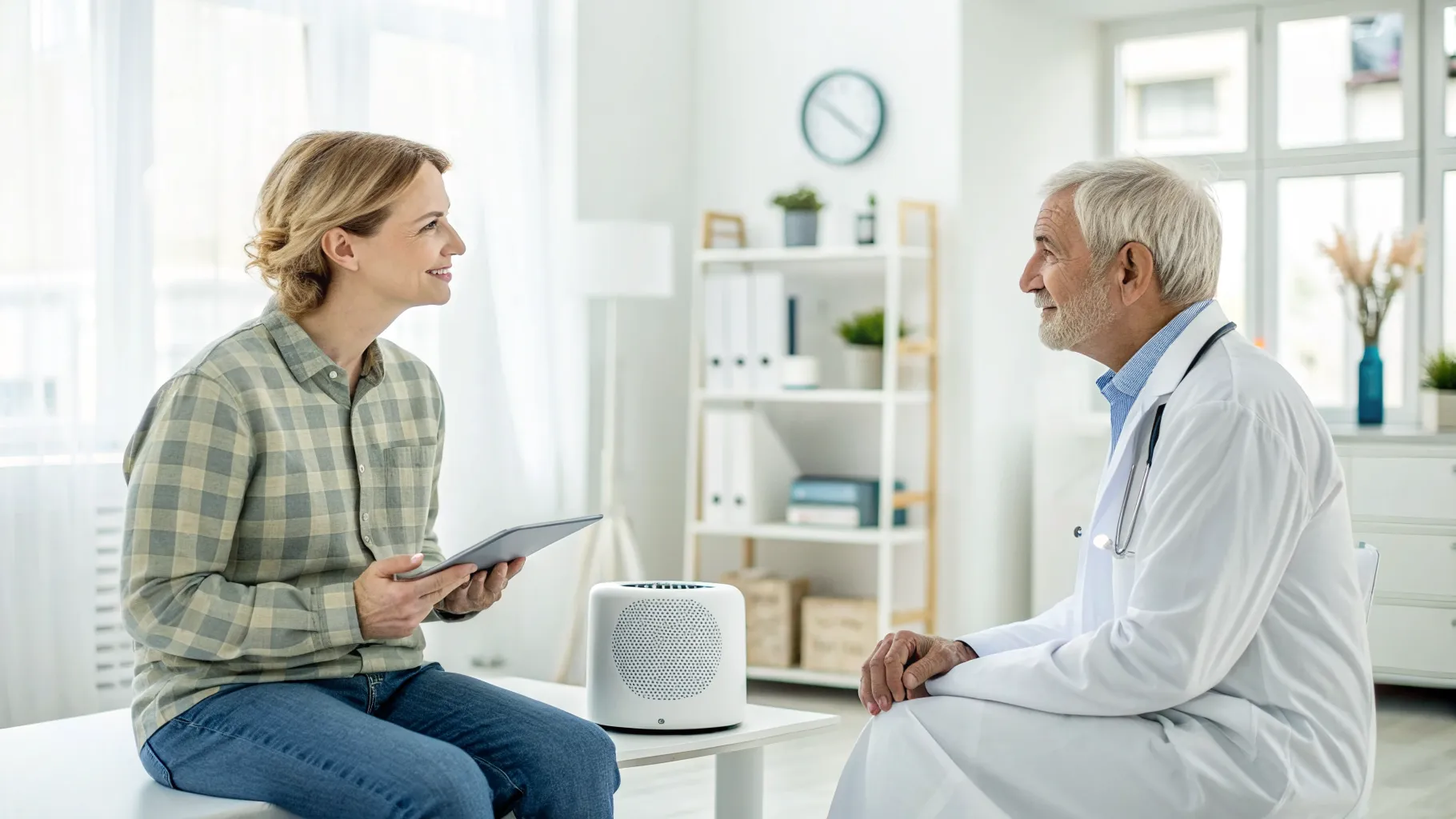
A new specialist tool that records entire consultations is set to change how clinicians work, promising to reduce paperwork and give patients more face time with their doctors. The technology, introduced this week in clinical settings, captures the visit and produces notes so physicians do not have to write during the appointment. The aim is to ease administrative strain while improving the flow of care.
“The new specialist technology records appointments, meaning doctors do not have to take notes.”
Supporters say this shift could raise quality of care by letting clinicians focus on listening and examination. Critics warn that privacy, accuracy, and consent must be handled with care before any wide rollout.
Why Documentation Is Under Pressure
For years, doctors have reported heavy documentation loads tied to electronic health records. Many spend evenings finishing charts after long clinic days. Burnout concerns have grown as paperwork expands and visit times stay short.
Health systems have tried several fixes. Medical scribes sit in on visits and type notes. Dictation software speeds up reporting but still requires editing. The new approach attempts to capture the visit in real time and produce a structured summary, cutting extra steps.
How the System Changes the Visit
The recording tool runs during the appointment and generates the clinical note. It is designed to identify key details such as symptoms, history, exam findings, and plan of care. Doctors then review and sign the note.
Early users describe a quieter exam room with less typing and screen time. That can help patient rapport. It may also cut errors that occur when notes are written after the fact.
Clinicians still need to check facts, add nuance, and correct mistakes. The final responsibility for the record stays with the treating professional.
Potential Gains for Care Teams and Patients
Advocates point to several benefits:
- More attention in the room: Less note-taking can free up eye contact and conversation.
- Faster chart closure: Completed summaries could cut after-hours work.
- Clearer records: Structured notes may improve care coordination and billing accuracy.
Hospitals also see value in consistent documentation across clinics. That can support quality programs and reduce duplicate work.
Privacy, Consent, and Accuracy Questions
Any system that records a clinical visit raises hard questions. Patients must know when recording occurs and agree to it. Clear signage and verbal consent help build trust.
Data security is another core issue. Recordings and transcripts should be encrypted. Access should be limited and auditable. Health providers will look for strong protections that meet legal standards in their region.
Accuracy matters. If the system mishears a medication or symptom, the note could mislead future care. Routine clinician review, simple edit tools, and visible change logs can reduce risk.
What Experts Are Watching
Health policy specialists are tracking how these tools affect burnout and visit length. They also watch for bias in transcription across accents and languages. Equity concerns are real if some patients are less accurately recorded.
Insurers and regulators will assess whether generated notes meet billing and quality rules. If not, time savings could shrink under extra review steps.
Medical educators are weighing effects on training. Learning to document helps students build clinical reasoning. Schools may need to balance automation with core skills.
What Comes Next
Most organizations will start small, rolling out to select clinics and specialties. They will test consent workflows, measure chart completion times, and track patient satisfaction. Clear metrics will decide whether expansion makes sense.
Key safeguards likely to guide adoption include:
- Patient consent at every visit
- Strong encryption and access controls
- Clinician review before notes are final
- Routine quality checks and error reports
The promise is straightforward: reduce busywork and return time to patient care. The technology’s single sentence captures that vision. As one summary put it, “The new specialist technology records appointments, meaning doctors do not have to take notes.”
If early pilots show reliable gains without privacy trade-offs, hospitals may widen use in primary care, urgent care, and specialty clinics. If accuracy or consent falter, adoption will slow. For now, patients and clinicians should expect careful testing, clear choice about recording, and steady improvements as feedback shapes the next round of tools.

A seasoned technology executive with a proven record of developing and executing innovative strategies to scale high-growth SaaS platforms and enterprise solutions. As a hands-on CTO and systems architect, he combines technical excellence with visionary leadership to drive organizational success.