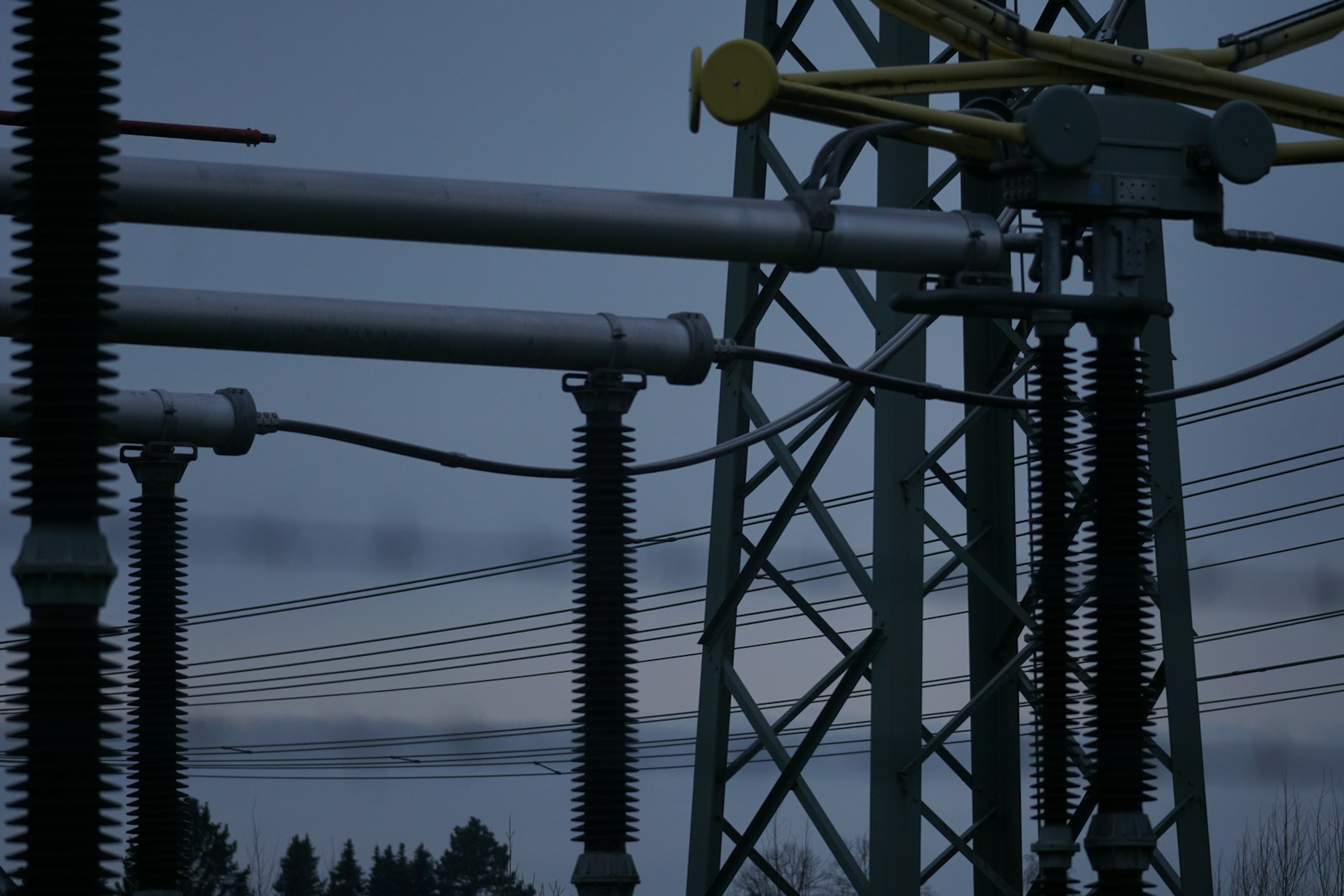
As artificial intelligence scales across industries, worries are rising about the strain it places on water and electricity systems. From cooling vast server farms to feeding energy-hungry chips, the infrastructure behind AI is facing new public and regulatory attention. Cities hosting data centers are weighing growth against local resources, while companies race to manage costs and environmental impact.
“Artificial intelligence has caused concern for its tremendous consumption of water and power.”
Growing Pressure On Infrastructure
AI models need powerful hardware and dense clusters of servers. Those machines generate heat and require steady cooling. In many locations, that cooling still depends on large volumes of water. At the same time, training and running AI systems draw significant electricity. Utilities and grid operators are now planning for faster demand growth than they expected a few years ago.
Communities in the United States and Europe have already debated data center siting and expansion. Local officials are asking how much water and energy new facilities will use, and what protections are in place during droughts or heat waves. Some areas have set stricter permitting rules or asked for conservation plans before approving new builds.
What Is Driving The Load
Two trends are behind the surge: larger AI models and broader deployment. Training a single model can run for weeks on thousands of specialized processors. After training, those models are served to millions of users, creating steady, high baseline demand.
- Cooling: Evaporative systems can reduce power needs but require water.
- Power: Advanced chips increase electricity use per rack, raising total site demand.
- Growth: More AI features in consumer and business apps increase always-on usage.
Company Responses And New Techniques
Major cloud providers say they are trying to cut both footprints. Some are shifting to recycled or non-potable water for cooling, especially in water-stressed regions. Others are turning to closed-loop systems or air cooling in cooler climates to limit withdrawals. Liquid cooling at the chip level is spreading, which can improve efficiency and reduce overall water use.
On electricity, companies continue to sign long-term contracts for wind and solar. They are also looking at siting new capacity near hydropower or nuclear plants to secure steady, low-carbon supply. Demand management tools, such as running training jobs during off-peak hours, are gaining favor to ease grid stress and lower costs.
“We are redesigning our data centers to handle higher-density AI workloads while reducing water intensity,” one cloud executive said in a recent sustainability briefing.
Community Concerns And Trade-Offs
Residents near data centers argue that the benefits of investment and jobs must be weighed against local water needs and noise. In water-scarce regions, summer withdrawals can draw special scrutiny. Some utilities have asked operators to curtail usage during extreme conditions. Labor and economic groups, however, point to tax revenue, construction jobs, and longer-term tech employment as reasons to support projects.
Environmental groups are pressing for transparent reporting. They want site-level data on annual water withdrawals, seasonal patterns, and energy sources. Advocates also call for siting rules that avoid stressed watersheds and require use of reclaimed water when available.
Regulators And Standards Take Shape
Regulators are starting to set clearer expectations. City and state agencies are adding water and power impact assessments to permits. Some are tying approvals to conservation measures, heat-resilient designs, and backup plans for drought. Sustainability standards bodies are updating metrics so companies report not only total use, but where and when they use resources. That helps distinguish a facility drawing on surplus hydropower from one relying on peak fossil generation.
Analysts say better data will guide smarter policy. Comparable reporting across operators can inform grid planning and encourage investments that reduce local stress. It can also help customers choose cloud regions aligned with their climate goals.
What To Watch Next
Demand for AI services is still rising, but growth does not have to mean a straight line up for resource use. Efficiency gains, smarter scheduling, and siting decisions can ease pressure. The mix of cooling technologies will matter, especially in hot, dry regions. Grid impacts will hinge on how fast new clean power comes online and whether training workloads can shift to low-demand hours.
The public debate will focus on transparency and local impacts. Clear reporting, conservation commitments, and community benefits will shape where and how new AI capacity gets built. For now, the message is direct and hard to ignore: the future of AI depends on water and power that communities can afford to share.

Kirstie a technology news reporter at DevX. She reports on emerging technologies and startups waiting to skyrocket.