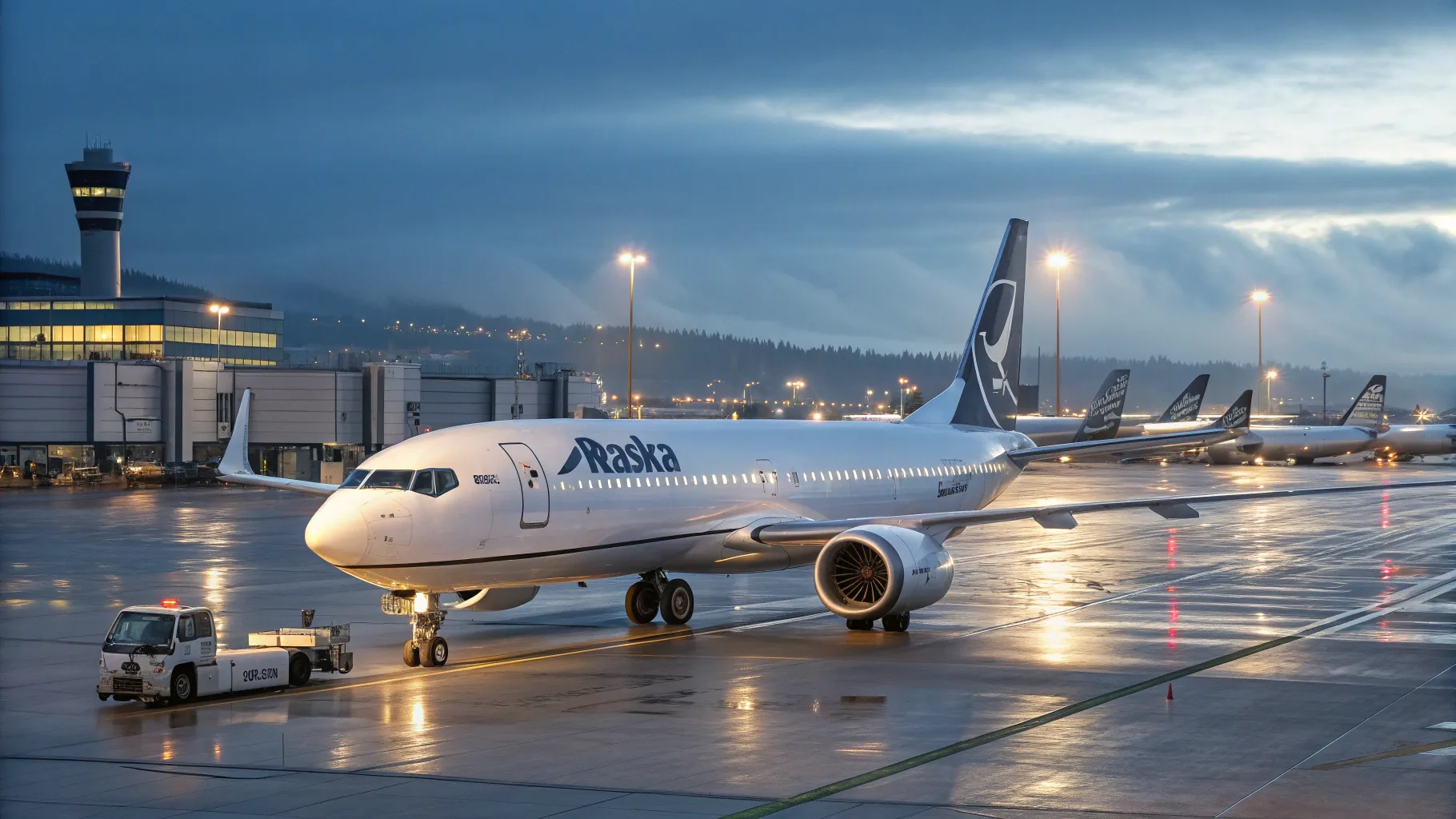
Alaska Airlines is again wrestling with technology trouble after a July systems failure forced nationwide groundings. The carrier moved to strengthen its systems, but issues persist.
The Seattle-based airline has faced fresh disruptions tied to its information technology. The renewed strain is raising questions about the pace and reach of its fixes, and what passengers can expect next.
“Alaska Airlines already tried to shore up its IT infrastructure after an outage in July forced the Seattle-based company to ground flights across the country. Apparently, it wasn’t enough.”
Background: A Tough Year for Airline Tech
The July outage hit carriers across the U.S. and disrupted travel for thousands of passengers. Alaska Airlines was among those forced to pause operations while systems recovered.
That setback followed other high-profile tech failures in the industry. Southwest Airlines canceled about 16,000 flights during its December 2022 meltdown, much of it due to scheduling software problems.
In January 2023, a Federal Aviation Administration system failure led to a nationwide pause of departures. In July 2024, a faulty software update from a third-party vendor rippled across airlines and other sectors.
Air travel now runs on complex, interconnected systems. Airlines balance aging infrastructure with new tools for crew scheduling, maintenance tracking, and customer service. A single failure can cause wider disruption.
Why Fixes Fall Short
Technology upgrades in aviation are hard to complete quickly. Many core systems are intertwined with reservation platforms, crew tools, and airport operations.
Large carriers must also coordinate with airports, the FAA, ground handlers, and global partners. A change in one link can create problems in another.
Alaska’s follow-up investments after July were aimed at preventing repeat failures. The new hiccups suggest the improvements did not cover every weak point or vendor dependency.
Airline tech specialists say resilience needs more than backups. It requires real-time monitoring, failover drills, and clear manual workarounds when software stalls.
Impact on Passengers and Operations
When systems falter, delays multiply as crews time out and aircraft miss their slots. Gate changes rise. Call centers get overwhelmed. Recovery can take days.
For travelers, the most pressing needs are rebooking, lodging, and timely updates. Policies vary by cause and by carrier, and rules can change mid-crisis.
- Use the airline app to rebook before calling.
- Save boarding passes and receipts for claims.
- Check credit card travel protections for delays.
Alaska has promoted customer tools designed to speed rebooking and notifications. Those tools are helpful, but they depend on the same systems under strain.
Industry Pressure and Regulatory Scrutiny
Regulators have pressed airlines to improve reliability and transparency. The U.S. Department of Transportation has proposed rules to strengthen passenger compensation for controllable delays.
Consumer advocates argue that technology failures fit that category when they stem from preventable issues. Airlines counter that some outages originate with external vendors or wider incidents.
Either way, carriers face growing pressure to build stronger redundancy. Investors also watch closely, as tech failures drag on costs and erode customer trust.
What Comes Next for Alaska Airlines
Alaska will likely conduct a fresh review of its systems and vendor links. That may include more backup capacity, tighter change controls, and clearer emergency playbooks.
The company could also stage regular failover drills with airports and partners. Dry runs can reveal where processes break and where staff need more training.
Passengers will look for steady improvement. Clear updates, quick rebooking options, and consistent care policies can limit the damage when tech fails again.
Alaska Airlines’ latest disruption shows the gap between planned upgrades and real-world reliability. The carrier responded after July, yet fresh issues emerged. The next phase will test whether broader safeguards, stronger vendor oversight, and practiced recovery plans can finally keep flights moving when systems stumble. Watch for concrete timelines, public reporting on resilience steps, and signs that outages are shorter and less severe over the months ahead.

A seasoned technology executive with a proven record of developing and executing innovative strategies to scale high-growth SaaS platforms and enterprise solutions. As a hands-on CTO and systems architect, he combines technical excellence with visionary leadership to drive organizational success.