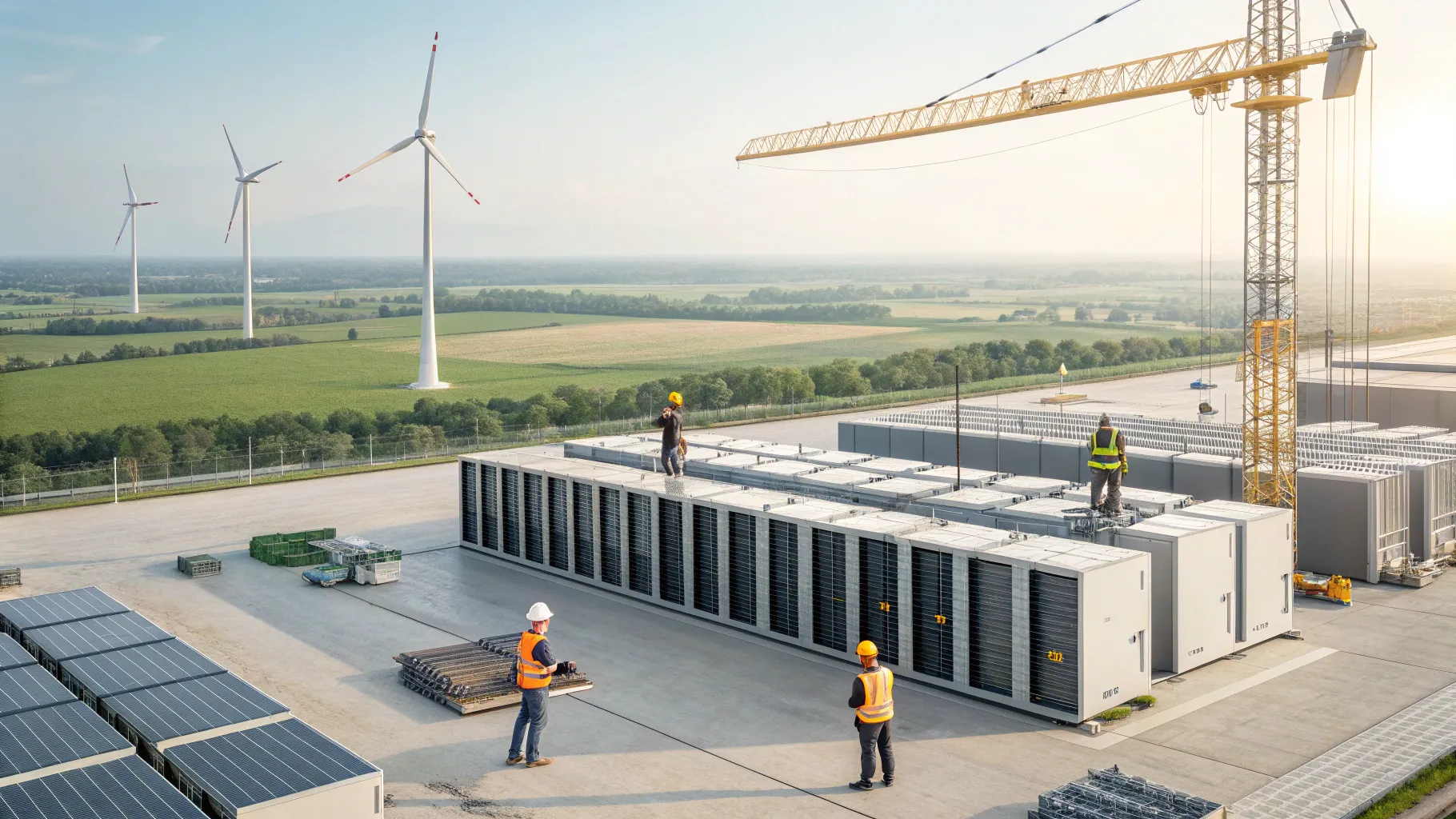
Alphabet plans to spend $4.75 billion in cash, plus assumed debt, to acquire a developer focused on data centers and clean energy. The move signals another large bet on the power and infrastructure needed to run artificial intelligence and cloud services. The deal, if completed, would add capacity and renewable power options at a time when grid constraints and energy costs are rising.
Alphabet is set to pay $4.75 billion in cash, plus debt, for the data center and clean energy developer.
The plan comes as tech companies rush to secure space, power, and land for new facilities. Demand for energy-hungry AI models has grown fast, putting pressure on utilities and local regulators. The price tag shows the scale of investment required to keep up with user needs and new products.
Why Data Centers And Clean Energy Matter Now
Data centers have become core infrastructure for search, video, and AI. They need steady power and advanced cooling to operate. Clean energy helps offset rising electricity use and supports corporate climate targets.
Power supply is a growing bottleneck in several regions. Wait times for new grid connections have lengthened. That has pushed buyers to seek projects that come with power purchase agreements, on-site generation, or access to new transmission plans.
For Alphabet, owning development pipelines could reduce delays and lock in lower long-term costs. It may also give the company more control over where to place future computing clusters.
Deal Structure And What It Signals
The cash payment and assumed debt suggest a standard corporate acquisition structure. The approach can speed closing and keeps financing straightforward. It also reflects the high capital needs of data center builds, which can cost billions over several years.
Buying a developer with clean energy assets or partnerships can bundle real estate, permits, interconnection queues, and renewable supply. Those pieces are hard to assemble quickly. An acquisition can compress timelines that would otherwise take years.
- Purchase price: $4.75 billion in cash
- Debt: Additional obligations to be assumed
- Strategic aim: Secure power, land, and project pipelines
- Operational focus: AI and cloud capacity growth
Industry Impact And Investor View
Rivals are also expanding capacity and signing long-term power deals. Some have partnered with utilities and energy developers to build new wind, solar, and battery projects. Others are pursuing on-site generation and advanced cooling to cut energy use per computation.
Investors may view the price as a trade-off between near-term costs and long-term control of critical assets. Shares of large tech firms have often reacted to capital spending plans based on whether they support growth in high-margin services.
If the acquisition delivers faster deployment and cheaper power, it could strengthen cloud margins over time. But integration risks remain, including construction delays, cost overruns, and permitting challenges.
Regulatory And Community Questions
Large facilities raise questions for local communities. They bring jobs and tax revenue, but they can strain water and power systems. Clean energy additions can ease emissions, yet new transmission lines face public resistance.
Regulators will look at land use, environmental impact, and grid reliability. Depending on the region, the deal could also face reviews tied to energy market rules and interconnection queues.
Environmental groups may press for clear timelines for renewable projects and transparency on water use. Labor groups often seek commitments on job quality and training.
What To Watch Next
Closing conditions will determine how fast the new projects enter service. Key milestones include regulatory approvals, land transfers, and interconnection studies. Supply chain pressures for transformers, chips, and cooling equipment may affect schedules.
Energy strategy will remain central. Expect more long-term contracts for wind, solar, storage, and possibly new forms of firm power. Companies will also pursue efficiency gains to stretch available capacity.
The planned $4.75 billion purchase shows how important power and infrastructure have become to the tech economy. If Alphabet can bring extra capacity online quickly, it could support the next wave of AI and cloud products. The outcome will depend on execution, permitting, and the pace of grid upgrades. Watch for updates on approvals, project timelines, and how the company plans to balance growth with energy and community needs.

Senior Software Engineer with a passion for building practical, user-centric applications. He specializes in full-stack development with a strong focus on crafting elegant, performant interfaces and scalable backend solutions. With experience leading teams and delivering robust, end-to-end products, he thrives on solving complex problems through clean and efficient code.