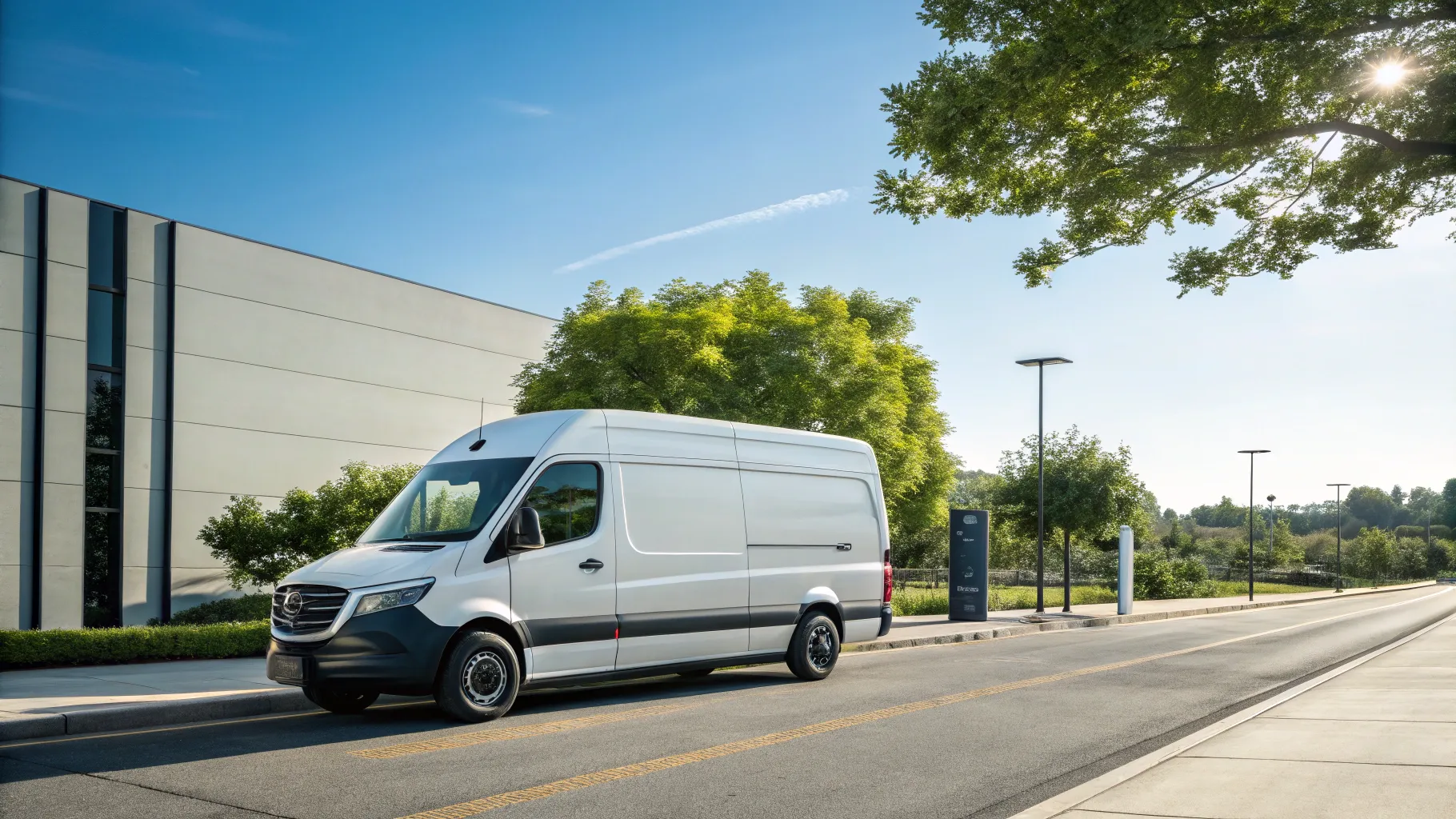
Amazon is pushing to remake last-mile delivery with a significant shift to electric vans by 2030, betting that lower fuel costs and cleaner fleets will yield benefits. The company’s plan centers on a custom vehicle built by Rivian, a young automaker that has become a key supplier for the tech giant’s delivery network.
The goal is clear and time-bound. Amazon has announced its goal of having 100,000 electric delivery vehicles on the road by the end of the decade, operating in cities across the United States and Europe. The plan aims to reduce emissions from a fast-growing e-commerce business and to secure long-term savings as gas prices fluctuate.
A 2030 Target Built on Rivian Vans
“The tech giant, which aims to have 100,000 electric delivery vehicles on the road by 2030, mostly uses vans made by Rivian.”
Amazon’s commitment dates back to 2019, when it announced a large order for Rivian’s electric delivery van, often called the EDV. The custom model comes in multiple sizes and is designed for frequent stops, tight streets, and heavy daily use. Amazon has rolled out fleets in dozens of U.S. cities, with deployments in parts of Europe as well.
Rivian produces the vans at its factory in Normal, Illinois. Amazon remains its largest commercial customer, anchoring a business that also includes electric pickups and SUVs for consumers. The partnership is central to both companies: Amazon gets a tailored vehicle and Rivian gains steady demand.
Progress and Production Hurdles
Amazon has put more than 10,000 Rivian vans into service so far, expanding routes as charging depots come online. Scaling to 100,000 by 2030 will require a steady production cadence, investment in charging infrastructure, and meticulous fleet management.
Rivian has faced the same pressures as other EV makers, including supply chain constraints and the need to reduce costs. But the commercial van line has been relatively constant, with a single large buyer and repeatable specifications. That helps planning and training for drivers and mechanics.
Cold weather range, repair turnaround, and parts availability remain watch points. Many delivery routes are short and urban, which suits electric vans; however, peak shopping seasons can strain their capacity. Charging at depots overnight limits downtime, while public fast charging plays a smaller role for these vehicles.
Infrastructure and Driver Experience
Amazon has been building depot charging at delivery stations, a shift that changes how vehicles are fueled and serviced. Depot chargers allow fixed schedules and controlled costs. Software helps dispatchers assign routes that match the state of charge, payload, and traffic.
Drivers report quieter rides and smoother braking from one-pedal driving. That can reduce fatigue and brake wear. Training covers safe charging, range planning, and pre-trip checks tailored to EVs. Maintenance teams focus on tires, suspension, and high-voltage systems, rather than routine tasks like oil changes and exhaust repairs.
Competitive Pressures and Policy Tailwinds
Rivals are moving too. FedEx has piloted electric vans and set long-term targets for an all-electric pickup and delivery fleet. UPS has added electric models from established automakers. The U.S. Postal Service increased the share of electric vehicles in its new fleet in response to public pressure.
Policy support has helped. Federal incentives for commercial EVs and charging, along with stricter emission rules for delivery fleets in states like California, ease the transition. Cities are exploring zero-emission delivery zones, which could favor early adopters.
What’s at Stake for Amazon and Rivian
For Amazon, the payoff includes lower operating costs per mile, fewer tailpipe emissions, and a stronger claim on climate goals under its Climate Pledge. For Rivian, the van contract provides volume that can stabilize production and spread fixed costs.
Investors will watch unit economics. Battery prices have been trending downward over time, but interest rates and raw material costs can fluctuate. Reliability data over millions of delivery miles will shape maintenance budgets and residual values.
Key Figures and Milestones
- Target: 100,000 electric delivery vehicles by 2030.
- Primary supplier: Rivian’s custom electric delivery van.
- Deployment: More than 10,000 vans already in service across many U.S. cities, with European rollouts underway.
- Infrastructure: A Growing network of depot chargers at delivery stations.
The next phase will test whether production, charging, and workforce training can scale in step with demand. Amazon’s target is ambitious, but the early rollout shows a workable model for city routes with predictable miles.
If delivery giants can make electric vans standard, city air could be cleaner, and shipping costs more stable. Watch manufacturing output at Rivian’s Illinois plant, the buildout of depot charging, and winter performance data. Those pieces will determine whether this plan reaches 100,000 vehicles on time.

A seasoned technology executive with a proven record of developing and executing innovative strategies to scale high-growth SaaS platforms and enterprise solutions. As a hands-on CTO and systems architect, he combines technical excellence with visionary leadership to drive organizational success.