The race to sell cars online is accelerating, and big tech wants in. As automakers test direct sales and Amazon expands auto retail features, dealership groups fear a hit to traffic and margins. The shift is unfolding across the United States, where franchise laws and changing shopper habits are putting long‑standing business models under strain.
The debate gained urgency this year as manufacturers increased digital checkout options and e-commerce platforms moved closer to the transaction. The central question is whether car buying will move from the showroom to the screen, and who will control the sale.
Background: A Business Built on Franchises Meets the Web
For decades, new vehicles in the U.S. have been sold mainly by franchised dealers. Most states restrict manufacturers from selling directly to consumers. That structure has protected local retailers and created a network that handles sales, service, and financing.
Electric-vehicle startups challenged that model by selling online and operating company stores. Tesla and Rivian, for example, use direct sales in states that allow it. Traditional automakers have taken a hybrid path, adding digital tools while keeping dealers in the transaction.
E-commerce is rising across retail. Car shopping is following the pattern. Market researchers report that most buyers now complete key steps online, such as pricing, credit checks, and trade-in estimates, even if final paperwork occurs at a dealership.
What Experts Are Warning
“Some experts say the shift toward direct online sales, especially involving e-commerce giants like Amazon, could spell trouble for dealerships.”
The concern centers on who captures the customer and the data. If buyers start and finish the deal on a major platform, dealers may handle delivery and service but lose leverage on price, financing, and add-ons that drive profit.
Analysts also point to the power of online rankings and search. If platforms steer shoppers to a smaller set of offers, many local retailers could see fewer leads.
How the New Click-to-Buy Models Work
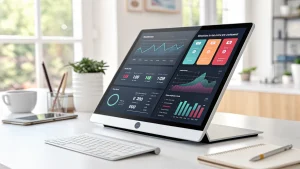
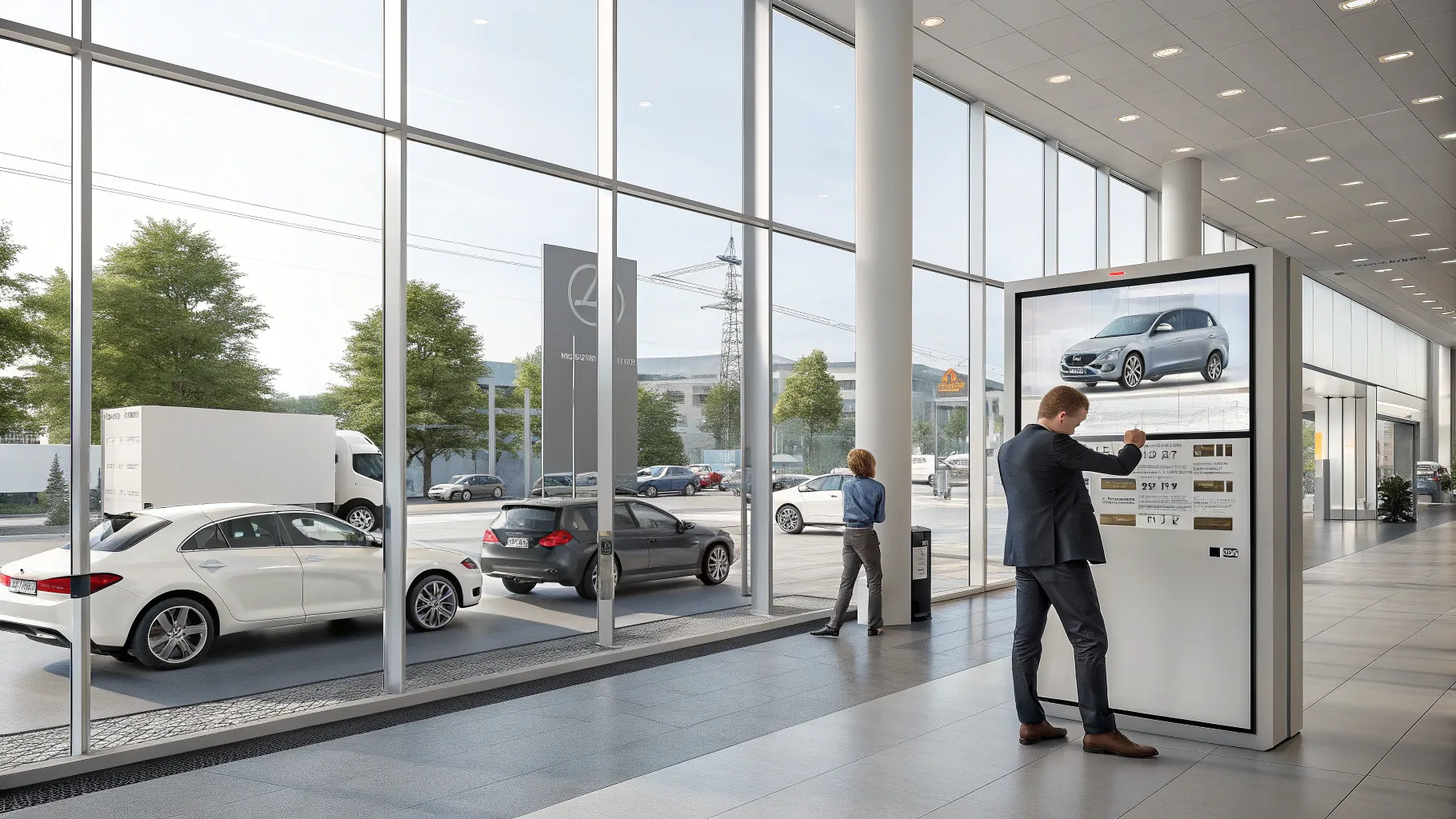
Automakers are testing online checkouts that let shoppers pick a model, see real inventory, secure financing, and place a deposit. In many cases, the purchase is assigned to a nearby dealer for delivery and after-sales care.
Amazon has partnered with brands to enable browsing dealer inventory on its site, with transactions completed by licensed retailers. Supporters say this meets buyers where they already shop while keeping dealers central to the sale.
- Manufacturers’ view: Online tools cut friction, improve price transparency, and broaden reach without scrapping the dealer network.
- Dealers’ view: Platform fees and tighter pricing could squeeze margins and weaken local relationships.
Legal Roadblocks and State-Level Fights
Franchise laws remain a major check on direct sales. Several states allow limited exemptions for EV makers, while others maintain strict bans. Dealer associations have defended these rules, arguing that independent retailers protect consumers on price and warranty work.
Manufacturers counter that customers want speed and clarity, and that modern tools can deliver both, whether online or in a showroom. Any long-term change will likely play out state by state, with court rulings and new legislation shaping the result.
What Consumers Are Signaling
Surveys show buyers want more control and less time at the store. Many say they would purchase fully online if pricing is firm and delivery is quick. But a significant share still prefers an in-person walkaround, test drive, and trade-in discussion.
The middle path is gaining traction: start online, finish at a local dealer. That approach could blunt disruption while pushing retailers to upgrade digital tools, staffing, and pricing transparency.
Industry Impact and What to Watch
If online platforms capture the top of the funnel, dealers may have to compete harder on service, reconditioning, and used-car selection. Fixed prices and standardized fees could spread if manufacturers seek uniform online listings.
Meanwhile, the service bay remains a strong anchor for local stores. Warranty work and maintenance need proximity. That gives retailers a way to keep customers even as the sales process moves online.
Key signals in the months ahead will include new state rulings, the scale of e-commerce partnerships, and how many buyers actually complete a full online transaction for new cars rather than just starting one.
For now, the shift is real but uneven. Dealers are unlikely to vanish, but their role may change. The winners will meet customers on the web and at the curb, price with clarity, and deliver fast. The next phase will test whether big platforms enhance the dealer model—or quietly take the sale while leaving delivery to local stores.

A seasoned technology executive with a proven record of developing and executing innovative strategies to scale high-growth SaaS platforms and enterprise solutions. As a hands-on CTO and systems architect, he combines technical excellence with visionary leadership to drive organizational success.