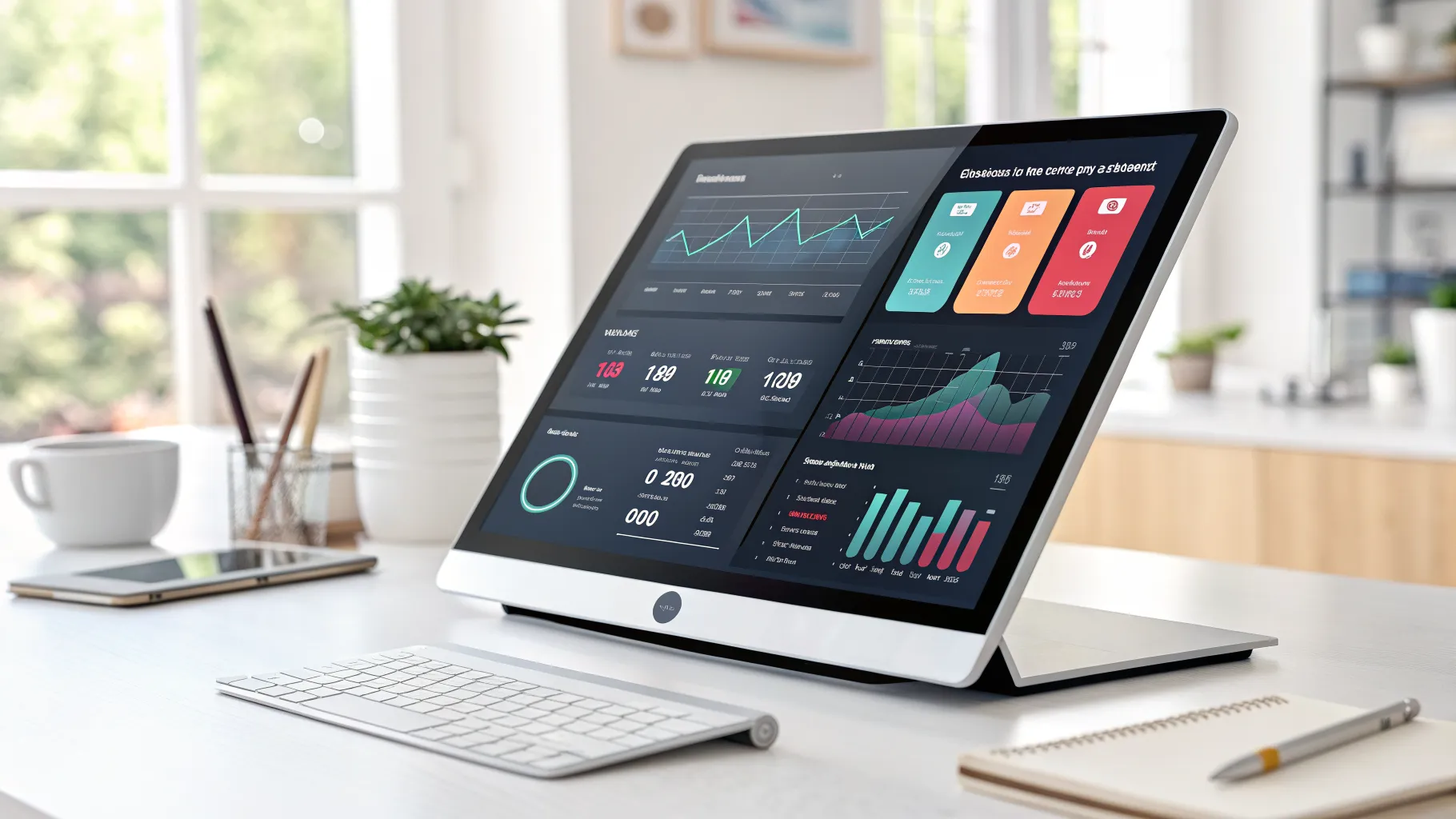
Amazon is introducing a new AI feature inside Seller Central that tailors visual dashboards based on seller prompts, raising the bar in the e-commerce tools race. The “dynamic canvas” builds on the company’s AI-powered Seller Assistant and arrives as Shopify, Walmart, and other rivals expand their own merchant-focused AI offerings.
The rollout targets day-to-day decisions that sellers make about sales, inventory, and advertising. It seeks to reduce the time spent navigating reports by letting users ask for views and receive charts and summaries on demand.
Background: AI Competition Heats Up in E-Commerce
E-commerce platforms have spent the past year layering AI into merchant dashboards. The goal is to speed up tasks that once required multiple clicks or manual analysis. These tasks include reviewing sales trends, tracking inventory levels, and preparing promotions.
Amazon’s move follows earlier steps with its Seller Assistant, which helps with answers in Seller Central. The new canvas extends that approach by generating visuals in response to prompts. Shopify and Walmart have also promoted AI tools for listings, recommendations, and insights.
Merchants often juggle performance views across several tabs. A prompt-based dashboard could reduce that friction. It could also help newer sellers who lack a dedicated analyst or data team.
What the New Feature Promises
Amazon is rolling out a “dynamic canvas” in Seller Central that generates personalized visual dashboards in response to seller prompts, building on its existing AI-powered Seller Assistant.
The feature is designed to reshape how sellers access their data. Instead of pulling fixed reports, users can type what they want to see. The system then surfaces charts or tables tailored to the request.
That approach matters when sales spike during peak season or when ads underperform. Sellers can ask for performance by product, time period, or channel, and receive a view without building a custom report.
The update also signals tighter integration of AI into routine workflows. It connects guidance from Seller Assistant with on-screen visuals that reflect the seller’s prompt.
Industry Reaction and Competitive Pressure
Rival platforms are making similar bets. Shopify has promoted AI tools that help with content and insights. Walmart has highlighted features that assist marketplace sellers with listings and operations. Each company wants to make complex data easier to act on.
Analysts say these tools can raise seller expectations. If one marketplace offers faster, clearer views, merchants may push for the same elsewhere. That dynamic can speed up adoption across the sector.
There is also a strategic angle. Visual, prompt-driven dashboards could nudge sellers to use more on-platform services, including ads and logistics, by surfacing opportunities more quickly.
Merchant Benefits and Open Questions
Sellers may gain time back from routine reporting. A personalized dashboard can cut clicks and reduce the risk of missing a trend. It may also help small teams scale their analysis.
But questions remain. How accurate are the summaries? Can users audit the data behind a chart? Will the system flag anomalies or explain changes over time?
Privacy and data control also matter. Merchants will want clarity on how prompts are handled and whether any data is used to train models. Clear policies can build trust.
Experts recommend keeping a human in the loop. AI can point to patterns. Teams should still confirm findings and test changes before shifting budgets or inventory.
What to Watch Next
The launch sets the stage for more AI-led features inside Seller Central. Attention now turns to how widely the canvas is available and how it ties into existing tools.
- Rollout timing and regions.
- Integration with ads, inventory, and pricing modules.
- Controls for data sources, time ranges, and drill-downs.
- Accuracy, transparency, and export options.
- Adoption rates and seller feedback across categories.
Competitors are unlikely to stand still. Expect faster updates, more guided actions, and closer links to logistics and advertising. The platforms that make insights both clear and reliable will gain an edge.
For now, Amazon’s dynamic canvas raises the stakes in a tight market. If it delivers fast, trustworthy views from a simple prompt, sellers could see quicker decisions and fewer manual steps. The next phase will show whether AI dashboards become the new default for running an online store.

Senior Software Engineer with a passion for building practical, user-centric applications. He specializes in full-stack development with a strong focus on crafting elegant, performant interfaces and scalable backend solutions. With experience leading teams and delivering robust, end-to-end products, he thrives on solving complex problems through clean and efficient code.