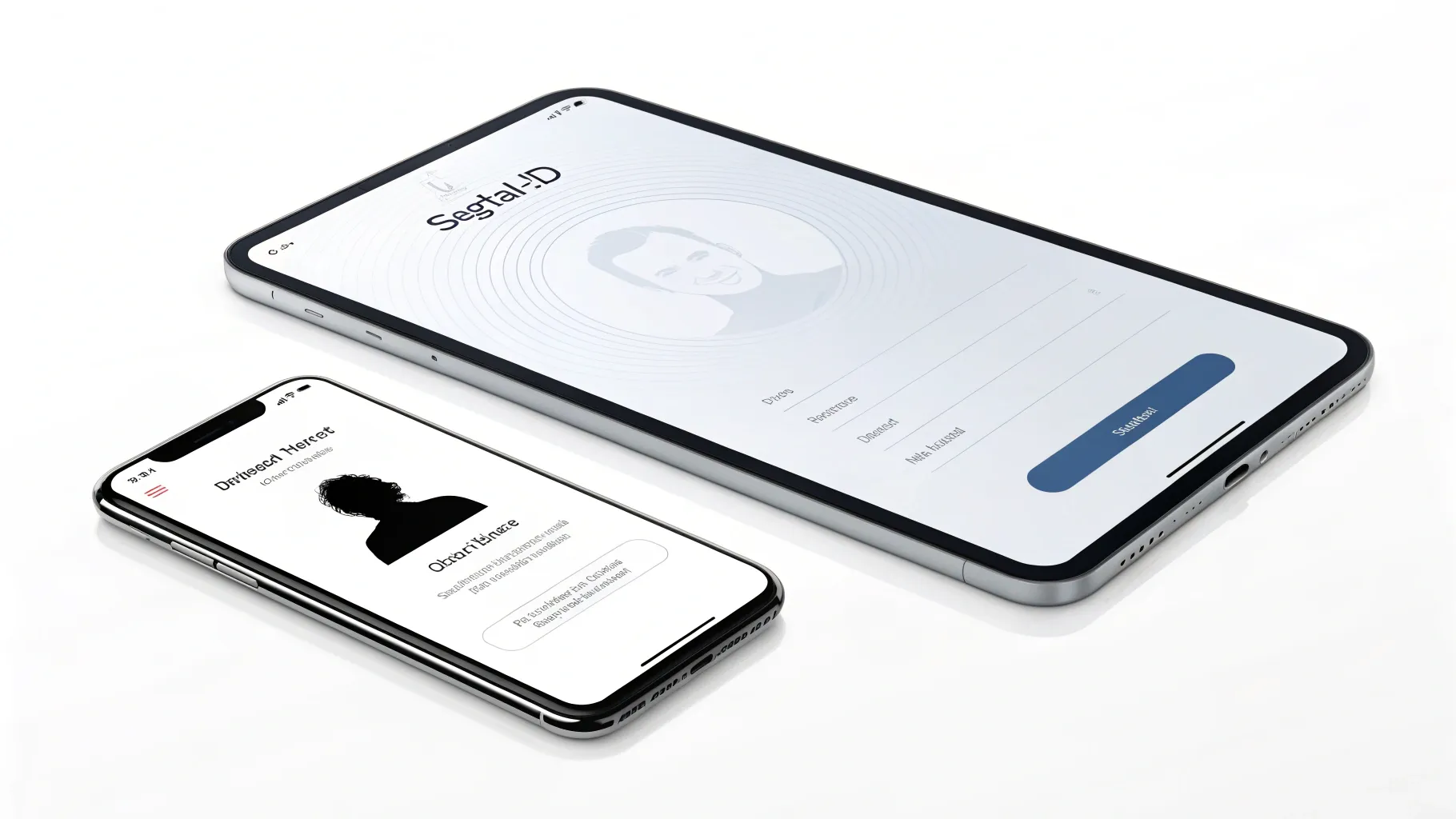
Apple’s push into Digital ID is drawing new attention to fraud risks as the holiday shopping rush begins. The discussion came into focus over the weekend, when tech reporter Kurt “CyberGuy” Knutsson highlighted both the promise of the feature and the growing wave of AI-enabled scams targeting consumers.
Knutsson joined a national morning show to explain how Digital ID works and why shoppers should be on alert. Apple’s move signals a broader shift away from plastic cards and toward secure mobile identity. But it also arrives amid a spike in phishing, spoofed customer-service calls, and AI voice cloning schemes.
“Kurt ‘CyberGuy’ Knutsson joins ‘Fox & Friends Weekend’ to break down Apple’s new Digital ID feature and why AI-driven fraud is putting holiday shoppers on alert.”
What Apple’s Digital ID Does—and What It Doesn’t
Digital ID lets users store a government-issued ID in Apple Wallet. In supported states and airports, it can verify identity without handing over a physical card. The feature aims to reduce friction at checkpoints and cut down on lost or stolen IDs.
Privacy controls are central to the pitch. Apple says the system uses on-device security, Face ID or Touch ID, and limited data sharing. A user can approve specific data fields, like age or name, rather than exposing a full ID. The phone can also be revoked remotely if lost.
Adoption remains uneven. Only some states and venues accept mobile IDs. Many merchants still rely on plastic. That gap can lead to confusion at checkout counters and customer-service lines, especially during the holidays, when stores are busy and seasonal staff may be unsure about policy.
AI-Driven Scams Target Peak Shopping Season
The rise of AI tools has lowered the barrier for fraud. Scammers can generate emails that mimic store receipts, clone voices to pass as relatives, and create fake customer support chats. These tactics try to trick people into sharing one-time passcodes, wallet access, or ID details.
Security experts warn that identity data is especially valuable. If criminals capture enough personal information, they can attempt account takeovers or new account fraud. A digital ID itself is hard to breach due to device-level controls, but people can still be pressured into approving the wrong request.
Common hooks this season include false order confirmations, delivery-delay texts, and refund offers. Some scams pretend to verify age for package pickup or curbside returns, urging victims to upload ID photos or grant device permissions.
How to Shop Safely with Mobile Identity
Knutsson’s warning lands as many households rely on phones for checkout, tickets, and loyalty accounts. Using a mobile ID can be safe, but it demands careful habits.
- Never share one-time passcodes or approval prompts over phone, text, or chat.
- Initiate customer support by visiting the retailer’s official app or website.
- Decline unexpected requests to “verify identity” for refunds or deliveries.
- Lock down Wallet access with Face ID or Touch ID and a strong device passcode.
- Review app permissions and disable any that seem unnecessary.
- Update iOS and Wallet to the latest version before traveling.
Retailers can help by training staff on when to accept mobile ID and by offering clear signage at checkout. Clear rules reduce pressure on customers to share private details in confusing situations.
Industry Response and Policy Questions
Airports and state agencies are testing mobile ID in controlled settings. Retail adoption is slower, reflecting legal and operational hurdles. Some stores will accept digital proof of age for restricted goods; others will not. That patchwork can frustrate shoppers and increase exposure to social engineering, where con artists exploit uncertainty.
Banks and payment networks are expanding identity checks to fight account takeovers. The push for stronger verification can help, but it also creates more prompts, emails, and texts that scammers try to imitate. Clear, consistent user experiences—fewer surprise messages and standardized flows—make it harder for fraud to win.
What to Watch Next
As more states come online with mobile IDs, expect better integration at airports and government services first, then slow entry into retail. Clear standards on what data is shared and when will shape public trust. Holiday shopping provides an early test: if consumers see convenience without extra risk, adoption could grow.
For now, experts urge a simple rule: treat any unsolicited request for identity or wallet access as suspect. Start support conversations yourself and verify the channel before you tap approve.
Knutsson’s message is timely. Mobile identity can be safer than plastic, but only if people and businesses use it with care. This season, caution and clear habits remain the best defense.

Kirstie a technology news reporter at DevX. She reports on emerging technologies and startups waiting to skyrocket.