Asana is rolling out a new integration with Anthropic’s Claude that turns simple chats into trackable tasks, while pitching its Work Graph as the connective tissue for AI at work. The move targets large companies seeking safer, structured ways to deploy chat assistants inside daily workflows.
The integration allows employees to ask Claude in natural language to summarize projects, draft updates, create tasks, and assign owners. Asana says those conversations can now produce structured work in its system without manual copy-and-paste. The company is also positioning its Work Graph—its map of teams, goals, projects, and tasks—as a trusted data layer for AI assistants across the enterprise.
Why Asana Is Betting On Claude
Anthropic’s Claude is known for strong writing and longer context windows, making it suited for complex project briefs and status reports. Asana wants to channel that capability into action items that live inside its platform. That helps teams avoid information slipping through chat threads and documents.
“Asana’s new Claude integration embeds project management inside Anthropic’s AI chatbot, turning natural-language chats into structured work while positioning Asana’s Work Graph as the enterprise ‘context layer’ for AI assistants.”
The pitch is simple: talk to an assistant, get real tasks with owners, deadlines, and links back to relevant projects. For leaders wary of freeform AI use, the promise is structure and audit trails.
Work Graph As The ‘Context Layer’
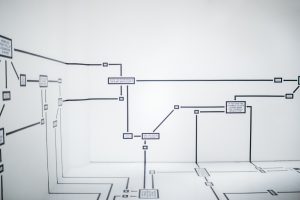
Work Graph is Asana’s data model that ties people to goals, projects, tasks, and dependencies. By feeding this context to Claude, the assistant can personalize answers and avoid hallucinations that ignore team structures or priorities.
In practical terms, that could mean Claude knows who owns a deliverable, what the deadline is, and how a task aligns to a quarterly objective. It also gives administrators a single place to manage permissions and control which data assistants can see.
- Context-aware answers: Claude can reference projects, owners, and timelines.
- Structured outputs: Chats produce tasks, subtasks, and updates in Asana.
- Governance: Access and data policies flow from Work Graph settings.
How It Compares To Rivals
Large vendors are racing to tie AI assistants to business data. Microsoft is integrating Copilot into Teams, Outlook, and Planner. Atlassian is weaving AI into Jira and Confluence. Notion and Monday.com offer AI features inside notes and boards. Asana’s angle is to keep the assistant’s brain in Claude while anchoring its memory in Work Graph.
Analysts say the tradeoff is control versus convenience. Keeping the work in Asana reduces fragmentation and creates consistent records. But companies must decide how many assistants they want across their stack and whether one context layer is enough.
Use Cases And Early Impact
Early scenarios center on status, planning, and follow-up. A manager can ask for a weekly summary across projects, get risks flagged, and spin up tasks for owners in one step. A product team can draft a launch plan, break it into milestones, and assign work without leaving chat.
For teams buried in meetings, the assistant can turn meeting notes into action items tied to goals. That reduces the gap between discussion and execution, a common failure point in large organizations.
Risks, Limits, And What To Watch
There are practical questions. Companies will ask how data is secured when shared with Claude, how retention works, and which prompts or outputs are stored. Pricing and usage caps will matter if heavy use triggers extra costs. Vendor lock-in is another concern if structured work only flows cleanly inside Asana.
Accuracy will be tested, too. Even strong models can misread context or generate vague tasks. Clear prompts and tight integration with Work Graph may help, but human review will remain key for critical work.
What Comes Next
Expect deeper links across tools. Structured work only pays off if it touches calendars, docs, and communication apps. Asana will likely expand templates for planning, retrospectives, and status reporting so teams can standardize outputs from Claude. Admin dashboards that show AI activity and outcomes could follow.
For buyers, the checklist is clear: data controls, audit trails, measurable time savings, and adoption by frontline teams. If those hold, AI chat can move from novelty to day-to-day workflow.
Asana’s bet is that natural language is the new interface for work, but structure still wins. Claude does the talking. Work Graph keeps score. The result could be faster planning, cleaner follow-through, and fewer tasks lost to chat. The test now is scale, cost, and trust.

Kirstie a technology news reporter at DevX. She reports on emerging technologies and startups waiting to skyrocket.