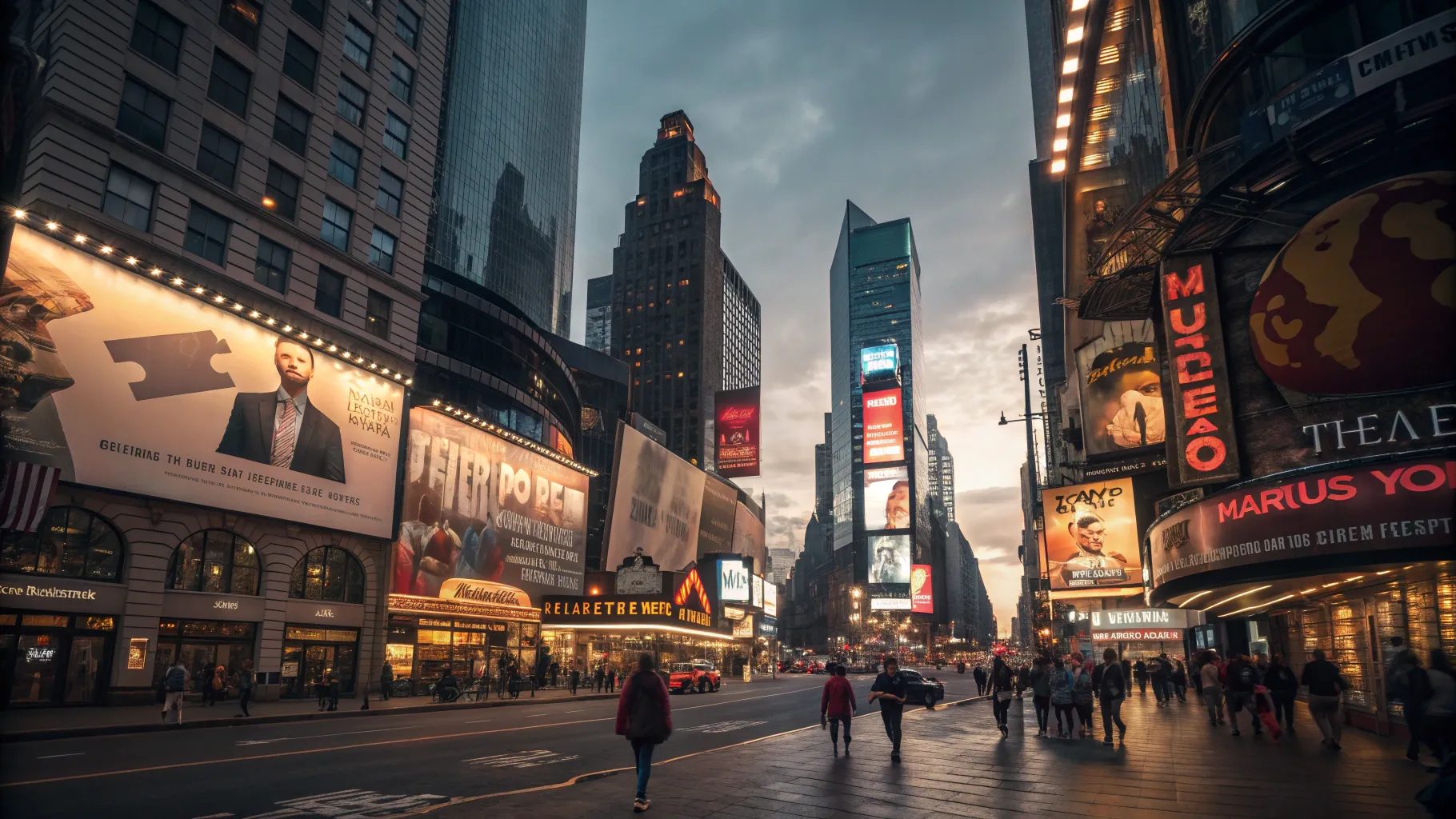
Broadway remains a cultural anchor for New York City, drawing locals and visitors to Times Square with shows that shape national conversation and fuel the city’s economy. As a new slate of productions opens, theater leaders and businesses watch closely for signs of steady growth, shifting tastes, and the health of a key tourism engine.
“For over a century, Broadway has been at the heart of New York City culture, with glittering marquees welcoming millions of tourists and locals every year.”
The current season arrives after years of change. The industry shut down during the pandemic, then rebuilt its audience step by step. Theaters adapted with new safety practices, fresh marketing, and a mix of blockbusters and risk-taking plays. The outcome now matters for workers on stage and behind the scenes, and for nearby restaurants, hotels, and retailers.
Why Broadway Still Matters
Broadway is an economic powerhouse as well as an arts hub. Ticket sales feed a web of jobs, from stagehands and musicians to ushers and designers. The area’s businesses depend on matinee crowds and evening rushes. Taxi rides spike after curtain calls. Hotel bookings near Midtown rise in tandem with big show openings.
City officials have long viewed the theater district as a signal of urban confidence. Full houses tell visitors the city is open and lively. They also anchor tourism marketing, which often centers on live shows that cannot be streamed at home.
After the Shutdown: A Careful Rebuild
The industry’s return has been steady rather than swift. Audiences learned new habits during the shutdown. Many embraced streaming, while others hesitated to plan trips. Producers responded with flexible ticketing and more targeted outreach to regional visitors.
The mix of shows has also shifted. Musicals with brand recognition remain strong. Plays that speak to current issues have found loyal followings. Family titles bring multigenerational groups back to theaters. Industry observers say this balance helps spread risk and widen the audience base.
Costs, Risk, and the Pressure to Deliver
Mounting a show has grown more expensive. Labor, materials, insurance, and marketing costs all weigh on budgets. Producers now scrutinize every expense, from set design to campaign timing. This pushes teams to plan longer previews and reduce weekly running costs.
Pari-mutuel risk still defines Broadway. A single hit can sustain a dozen jobs for years. A miss can close in weeks. That makes advance sales and favorable word of mouth vital. It also explains the appeal of properties tied to known stories or artists with devoted fans.
Who Is the Audience Now
Audience patterns are changing. Weeknights can be soft. Weekends are strong. Tourism supports summer and holiday peaks. Locals fill in during off-peak months. Schools and group sales help stabilize midweek performances, especially for long-running musicals.
- Tourists drive seasonal surges and premium pricing.
- Local subscribers and members help new plays find their footing.
- Access programs expand attendance by reducing price barriers.
Outreach efforts focus on first-time theatergoers. Discount initiatives, lotteries, and rush tickets remain popular. Many shows now promote behind-the-scenes content to build interest before opening night.
Diversity, New Voices, and Long-Term Health
The push for broader representation has reshaped casting, creative teams, and stories. The goal is to reflect the city and the country more fully. Educators and nonprofits partner with theaters to bring students to matinees. These programs aim to grow the next generation of theater fans and professionals.
Some productions tour after a Broadway run. This spreads the economic impact and builds national brands. Success on the road can feed back into New York ticket demand as word spreads.
What to Watch This Season
Analysts point to several signals that will show where Broadway is headed. Advance sales for new musicals will test appetite for fresh material. Long-running shows will measure staying power in a crowded schedule. The performance of mid-budget plays will reveal how far audience confidence has returned.
Merchandise sales and post-show spend also matter. Restaurants and hotels near the theater district track reservations against opening nights and holiday calendars. If the area hums late into the evening, it is a good sign for the city’s broader recovery.
Broadway’s marquees have weathered hard times before. They now face new pressures and new chances. The next few months will show whether recent gains can hold and whether new audiences will keep coming back. For the city and the industry, the stakes remain high, and the spotlight is on.

Senior Software Engineer with a passion for building practical, user-centric applications. He specializes in full-stack development with a strong focus on crafting elegant, performant interfaces and scalable backend solutions. With experience leading teams and delivering robust, end-to-end products, he thrives on solving complex problems through clean and efficient code.