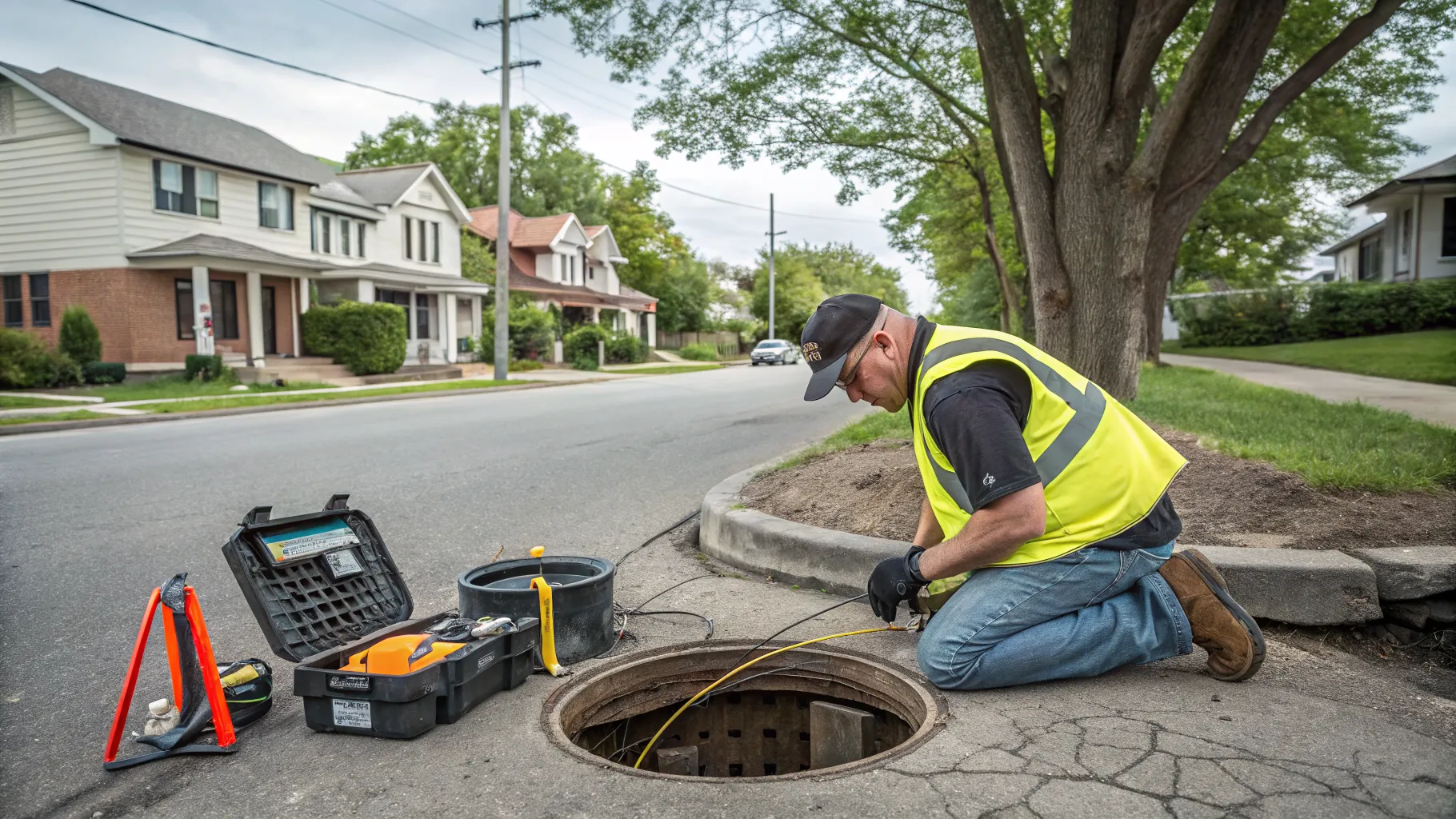
Property owners say they have waited weeks to be reconnected, prompting BT Openreach to raise the issue internally and investigate the delays across affected sites.
The complaints center on slow restoration of fixed-line services following moves, renovations, or cable faults in parts of the United Kingdom. Owners report repeated appointments and limited updates. Openreach, which maintains the national network used by most broadband and phone providers, says the matter has been escalated for attention by senior teams.
“Owners say they have struggled to get reconnected and BT Openreach has ‘escalated’ it.”
How Reconnection Works—and Where It Can Stall
Openreach builds and runs the physical network, while retail providers such as BT, Sky, and TalkTalk sell services to customers. When a line fails or a reconnection is needed, customers must log the problem with their provider, which then raises a task with Openreach.
Delays can occur for several reasons. Engineers may need access to underground ducts or cabinets. Permissions might be required from local authorities to dig a pavement. In rural areas, a single fault can affect a long span of copper or fibre, extending repair times. New builds can face separate hold-ups if address data is incomplete or if wayleave agreements with landowners are pending.
Industry service levels aim to keep repairs and installations within set timeframes, but peaks in demand, severe weather, or infrastructure damage can push jobs past initial target dates.
Owners Report Missed Dates and Patchy Updates
Several owners describe a cycle of provisional appointments followed by late cancellations. They say they struggled to get clear timelines and often learned of changes at short notice. That left home workers and small firms relying on mobile hotspots and paying for temporary data add-ons.
While the scale of the disruption is not yet clear, the shared complaint is time without a fixed connection. For people who use landlines for alarms or health devices, the gap in service can be more than an inconvenience.
Openreach Response and Process Changes
Openreach has acknowledged the complaints and says it is escalating cases where customers experience repeat delays. Escalation typically moves a job into a higher priority queue, triggers a review of the engineering notes, and can lead to extra resources on the ground.
Openreach also advises that customers should keep working through their retail providers, who are responsible for updates and booking visits. Providers can raise welfare cases for vulnerable users, which can prompt faster action.
Consumer Rights and What Customers Can Do
Ofcom, the UK communications regulator, sets rules on accurate information, complaint handling, and automatic compensation in defined cases. Compensation policies can apply for missed appointments and delays to switches or repairs, depending on the provider and the type of fault.
- Report faults through your provider and obtain a reference number.
- Ask for clear appointment windows and written updates.
- Check if you qualify for automatic compensation.
- Request a welfare status flag if you are vulnerable.
- Keep records of missed dates and extra costs.
Why Delays Matter for Households and Small Firms
Homes now rely on broadband for work, schooling, and banking. Small businesses use fixed lines for card terminals, cloud tools, and bookings. A prolonged outage can mean lost income. It can also affect security systems that need a working line to send alerts.
Some providers offer 4G or 5G backup devices for continuity. These can help, though performance varies by signal strength and network load. Owners say temporary solutions are useful but do not replace reliable fixed service.
What to Watch Next
If escalation leads to faster reconnections and fewer missed visits, confidence could improve. A sustained pattern of delays could draw further scrutiny and prompt providers to adjust processes or staffing.
The fibre rollout continues across much of the country, which may reduce some repair issues over time. But migrations, street works, and legacy copper faults will continue to test response times. Stakeholders will look for clearer timelines, better communication, and consistent use of compensation where rules apply.
For now, owners are seeking firm dates and lasting fixes, and Openreach says those cases are under review at senior levels. The outcome will signal how well the system can handle surges and complex jobs while keeping people connected.

Kirstie a technology news reporter at DevX. She reports on emerging technologies and startups waiting to skyrocket.