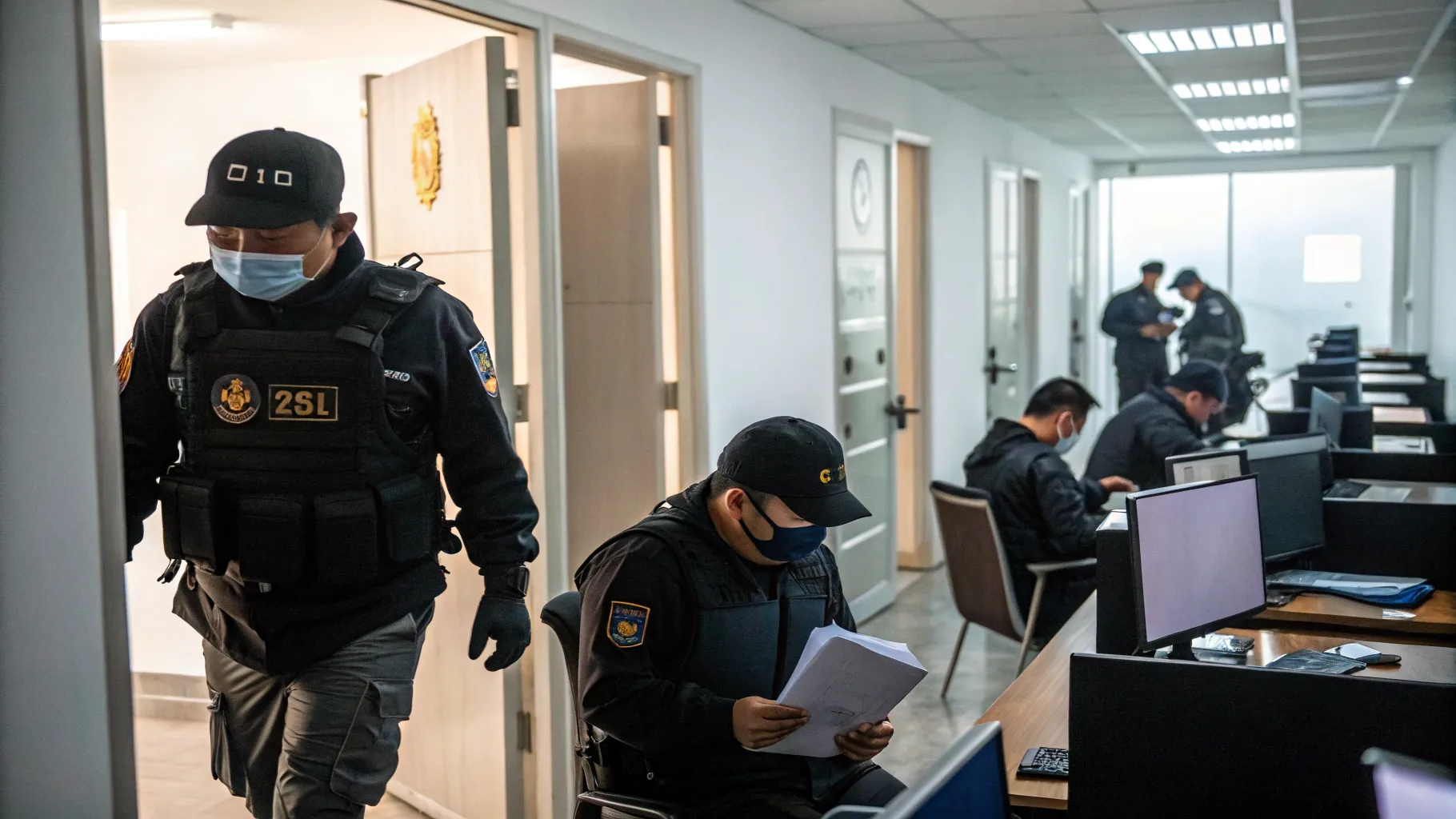
Cambodia has moved to draft its first law aimed at shutting down online scam centers tied to fraud and forced labor, signaling a shift in how the country plans to police a sprawling criminal industry. The draft measure, confirmed by officials this week in Phnom Penh, targets syndicates accused of luring and coercing workers while defrauding victims across Asia and beyond.
The proposed law comes after years of reports of criminal compounds operating from coastal cities and border zones. It seeks to stem financial crime, restore confidence among investors and tourists, and improve protections for trafficking survivors.
“Cambodia has drafted its first law to crack down on online scam centers that fuel fraud and forced labor.”
Rising Pressure After Years of Abuse
Reports by rights groups and regional police agencies have detailed how criminal networks built lucrative operations from Cambodia, Myanmar, and Laos. Many centers recruit workers from across Asia under false job offers. Once inside guarded compounds, they are forced to run romance scams, investment frauds, and crypto schemes.
The UN human rights office estimated in 2023 that about 100,000 people could have been trapped in scam operations in Cambodia, often facing debt bondage, threats, and violence. Victims have described confiscated passports, constant surveillance, and forced online work shifts.
Authorities in Cambodia have carried out raids since 2022, closing some sites and repatriating workers. But police and NGOs say crime rings quickly adapt by moving staff, changing company names, and using new digital tools to find targets.
What the Draft Law Seeks to Address
Officials say the draft focuses on the criminal economy behind the fraud, not only the low-level workers who often are victims themselves. While full details are not yet public, legal experts expect provisions that would:
- Criminalize organizing or financing scam compounds and related trafficking.
- Strengthen asset seizure and cross-border evidence sharing.
- Offer clearer screening and protection for trafficking victims.
- Increase penalties for digital fraud and false job recruitment.
Analysts argue that enforcement will hinge on coordination between national police, labor inspectors, financial regulators, and local authorities who issue business licenses. Sustained inspections of buildings once used for casinos and online gambling may be key to preventing a rebound.
Regional Impact and Industry Response
The fraud trade has hurt consumers across Asia, with banks and fintech firms reporting waves of losses tied to social media and messaging scams. Regional police agencies, including Interpol, have launched joint actions to disrupt networks and trace funds.
Tourism and real estate executives in Cambodia say a clearer legal framework can help rebuild the country’s image if it is enforced. Some business groups warn that inspections should be targeted and transparent to avoid chilling lawful investment.
Anti-trafficking groups stress the need for safe channels for victims to report abuse and access medical and legal support. They also call for language protections, as many workers are deceived across borders and do not speak Khmer.
Enforcement Tests Ahead
Past crackdowns delivered mixed results. Syndicates often relocate operations to buildings that host multiple shell companies. Experts say financial tracing and rapid freezing of assets will matter as much as arrests on the ground.
Technology platforms are tightening identity checks and content monitoring, but scammers switch apps, spoof caller IDs, and use deepfake content. A tougher law could help prosecutors link digital trails to compound operators and financiers, not only the victims forced to type scripts.
For survivors, the measure’s success will be judged by screening at police stations, legal aid access, and non-punishment policies for trafficking victims who were made to commit offenses under coercion.
What to Watch Next
Lawmakers are expected to debate the draft in committee before a full vote. Observers will track whether the final text includes clear victim protections, strong penalties for organizers, and mechanisms for cooperation with foreign police and banks.
Neighboring countries will watch for signs of displacement. If Cambodia tightens controls, operators may try to shift again, raising the need for aligned laws across the Mekong subregion.
Cambodia’s move marks a test of political will and capacity. If paired with active enforcement and support for survivors, it could blunt a crime model that has drained savings, trapped workers, and damaged the country’s standing. The next few months will show whether the law becomes a turning point, or just the start of a longer campaign against digital fraud and forced labor.

Senior Software Engineer with a passion for building practical, user-centric applications. He specializes in full-stack development with a strong focus on crafting elegant, performant interfaces and scalable backend solutions. With experience leading teams and delivering robust, end-to-end products, he thrives on solving complex problems through clean and efficient code.