The viral trend of using ChatGPT to generate Studio Ghibli-style images has sparked both delight and controversy.
Fans have been using the AI chatbot’s new image generation feature to transform photos and memes into the distinctive aesthetic of the beloved Japanese animation studio. However, the surge in demand for this feature led to ChatGPT briefly going down due to server overload.
OpenAI, the company behind ChatGPT, acknowledged the elevated errors and worked to implement a mitigation.
can yall please chill on generating images this is insane our team needs sleep
— Sam Altman (@sama) March 30, 2025
CEO Sam Altman even humorously pleaded on social media for users to “chill on generating images” so the team could get some sleep. While many users have enjoyed experimenting with the tool, creating anime-style images reminiscent of Studio Ghibli’s whimsical characters, the trend has also highlighted ethical concerns surrounding AI and copyright.
it's super fun seeing people love images in chatgpt.
but our GPUs are melting.
we are going to temporarily introduce some rate limits while we work on making it more efficient. hopefully won't be long!
chatgpt free tier will get 3 generations per day soon.
— Sam Altman (@sama) March 27, 2025
Questions have been raised about whether the AI model was trained on the work of Studio Ghibli or its co-founder Hayao Miyazaki, which could have legal implications.
Ghibli-style image debate intensifies
Miyazaki himself has expressed skepticism about AI’s role in animation.
In a 2016 documentary, he recounted being “utterly disgusted” by an AI demo, saying, “Whoever creates this stuff has no idea what pain is.”
Artist Karla Ortiz criticized OpenAI, calling their use of Ghibli’s branding and reputation to promote products an “insult” and “exploitation.” The controversy further escalated when the White House’s official social media account posted a Ghibli-style image using the new tool. As the debate continues, some argue that the real issue may be the oversaturation of a rare aesthetic. Studio Ghibli movies are known for being special, high-touch productions, and the ubiquitous nature of AI-generated Ghibli images could undermine that uniqueness.
Others suggest that these creations represent a new kind of internet meme, relying on generative AI to quickly make and disseminate content. The rapid, transactional nature of these creations may be what people are rejecting. As AI continues to advance and intersect with the creative world, it is crucial to engage with these developments and consider their implications for artists, copyright, and the future of creativity.
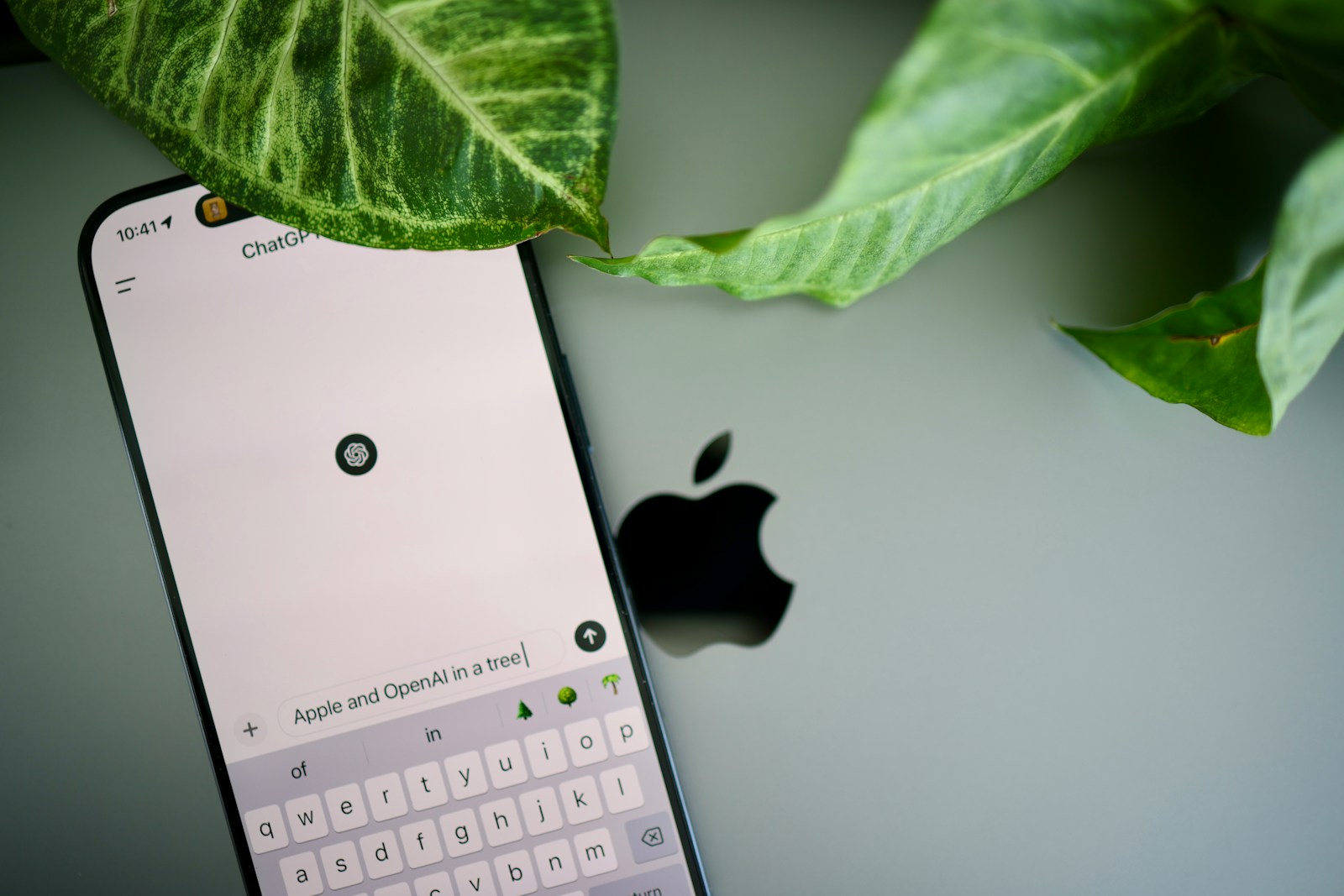
Image Credits: Photo by Solen Feyissa on Unsplash

Noah Nguyen is a multi-talented developer who brings a unique perspective to his craft. Initially a creative writing professor, he turned to Dev work for the ability to work remotely. He now lives in Seattle, spending time hiking and drinking craft beer with his fiancee.