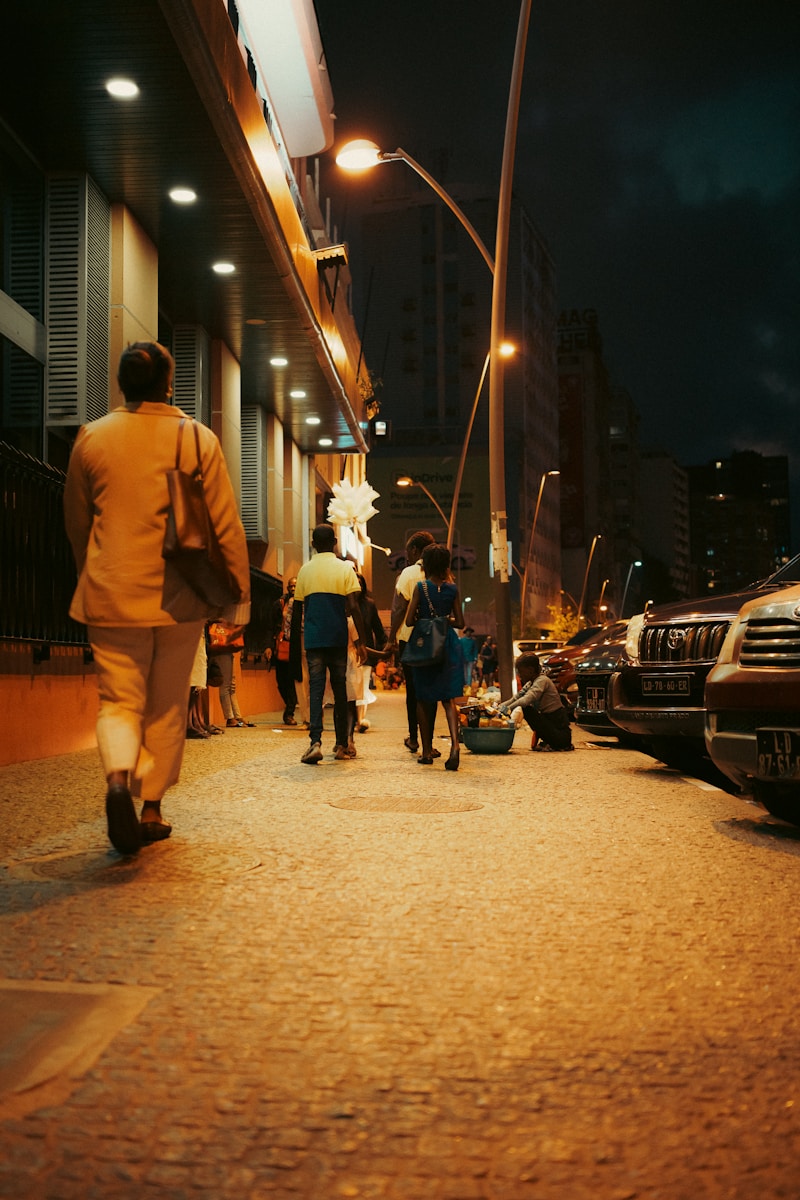
City life is speeding up on foot. A new study of street-level video from multiple decades reports that people walk 15 percent faster in urban areas today than in 1980 and spend less time lingering in public spaces. The finding points to a shift in how people use sidewalks, plazas, and shopping streets, with wide effects on safety, retail, and public life.
A new study compares street-level video footage across decades and finds that people walk 15 percent faster in cities now, compared to 1980, and linger in public spaces less often.
How The Study Frames A Changing Street
The researchers examined archival and recent video of the same types of city blocks. They tracked average walking speeds and how often people paused to talk, sit, or window shop. The main result is clear: foot traffic is quicker and dwell time is down.
Urban walking speeds have long served as a rough gauge of social and economic pace. Earlier studies in the late 20th century also found that large financial centers had faster walkers than smaller towns. This new comparison adds a time dimension, suggesting that the average city walker has picked up speed across generations.
Why Pedestrians May Be Moving Faster
Several forces may be pushing people along.
- Commute pressures and tighter schedules.
- Smartphone navigation that favors direct routes.
- More delivery and e-commerce, which cuts window shopping.
- Heat, weather swings, or air quality that discourage lingering.
- Design choices that move people through rather than invite them to stay.
City policy may also play a role. Some downtowns have widened roads or shortened crossing times to keep vehicles moving. That can cue walkers to hurry. In other places, fear of traffic or crime can shorten visits to plazas and transit hubs.
Consequences For Safety, Health, And Street Life
Faster walking can reduce casual contact among strangers. That may mean fewer spontaneous conversations and less street culture. It also changes safety math. Quick crossings can cut exposure to traffic, but crowded corners with fast-moving pedestrians can raise collision risks with bikes and scooters.
Retailers that rely on browsing could feel the pinch. If people spend less time in front of storefronts, impulse stops decline. Food carts, street performers, and small vendors depend on dwell time as well. A drop in lingering can reduce their sales and visibility.
Public health has a stake too. Shorter stays in parks and plazas limit light physical activity and social contact. Both are linked to mental well-being. If people are hurried, they may skip brief breaks outdoors that help relieve stress.
Design Responses Cities Are Testing
Some cities have tried to slow the stride by making streets more comfortable. Simple tools include benches, trees for shade, and longer crossing signals. Car-free blocks invite strolling when they feel safe and clean. Markets and events can also raise dwell time by offering reasons to pause.
Planners often point to “eyes on the street” as a safety benefit. Steady presence, even if brief, can make a space feel more welcoming. If fewer people linger, that effect weakens. Design that encourages short, pleasant stops could help restore it.
What To Watch Next
The study tracks a clear trend, but the causes differ by neighborhood and time of day. Follow-up work could measure differences across income levels, transit access, and climate. It could also test whether changes in signal timing, street trees, or shaded seating slow walking and increase dwell time.
For now, the takeaway is simple. People in cities are walking faster and standing still less than a generation ago. That shift touches safety, business, and social life. Cities that want lively streets may need to design for moments of pause, not only for movement.

Kirstie a technology news reporter at DevX. She reports on emerging technologies and startups waiting to skyrocket.