I left the show convinced of one thing: the future is arriving in slices, not in a single grand reveal. My take is simple. CES 2026 delivered clever ideas and a few standouts, but the big leap many expect is still on the runway. That isn’t a bad thing. It’s a reality check that helps separate show-floor sizzle from tech that might actually change daily life.
The Core Argument
The most convincing message came from practical breakthroughs, not flashy promises. When hardware and user experience line up, you feel it. The anti-gravity A1 drone, the Xreal 1S glasses, and a self-driving wheelchair did exactly that.
“Fly first, frame later.”
That line captures the A1 drone’s idea: capture everything in 8K 360° and make creative choices after the flight. No jockeying a gimbal mid-air, no missed shot because you looked the wrong way. It’s true one-click freedom, with FAA-friendly weight under 250 g and a best-of-innovation nod backing it up.
“Take me to the fridge.”
That’s how Strut’s EV1 autonomous wheelchair is meant to work—map the space, set a destination, and the chair safely navigates. The pitch wasn’t sci‑fi; it was mobility, reliability, and price. Early preorders near $5,300 suggest real access, not just a prototype on a stage.
“This is the worst it’s ever going to be.”
That’s how Xreal framed its live 2D-to-3D conversion. Even with heat and frame-rate dips in 3D mode, the promise is biggest-screen-anywhere utility that plugs into a Switch, a Steam Deck, a phone—no DRM drama, no special app.
Evidence From The Floor
Let’s be clear: there was plenty of spectacle. But substance showed up where numbers and demos matched everyday use.
- A1 drone: 8K 360° capture, sub-250 g, $1,600 base kit, award-winner, easy “point-and-fly.”
- Xreal 1S: 120 Hz micro‑OLED, 700 nits, ~82 g, ~$450, live 3D via the X1 chip; 3D mode runs warmer at ~30 fps.
- Strut EV1 wheelchair: LIDAR, cameras, ultrasonic and time‑of‑flight sensors, three drive modes, quiet under 65 dB, breaks into three pieces.
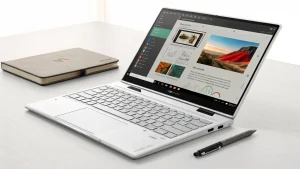
Even the concept Lenovo Legion Pro rollable laptop felt smarter this time. A screen that expands horizontally from 16 inches to a 24‑inch ultrawide fits gaming and editing far better than last year’s vertical experiment. No price. No date. But the idea finally makes sense.
Where Hype Meets Reality
Autonomous rides were everywhere, and the gap between hype and deployment was visible. Waymo claims more than 14 million rides, with thousands of cars and new cities queued up. Zoox cruised Vegas with premium, steering‑wheel‑free pods and is planning paid service, but footprint and fleet size still trail. Scale matters more than show-floor polish.
Humanoid robots flooded booths. Hardware has caught up; software hasn’t. Some units danced, boxed, or folded laundry—slowly. One even face‑planted on a reporter. McKinsey pegs the market in the hundreds of billions by 2040, but that future depends on reliability more than choreography.
What Stood Out—and What Didn’t
I’m not buying the idea that we just saw a giant step forward. Much of it felt like last year’s gear with small gains. That said, a few picks earned extra credit.
- A1 drone: A true shift in how creators shoot.
- Xreal 1S: Portable, practical, and edging closer to mainstream.
- Strut EV1: Real independence at a price that challenges the market.
- Lenovo’s rollable: If it ships, it changes what a “laptop” can be.
Smaller notes mattered too: an AI music tool trained only on licensed material, a digital cube that turns fidgeting into puzzles, and home robots that clean, mow, and clear snow. They’re not headline makers, but they solve real problems—quietly.
The Bottom Line
Progress is steady, not cinematic. I’d rather have three tools that work well than ten that look slick under show lights and stall later. If you care about impact, push makers to ship products with clear use cases, transparent pricing, and real timelines.
My ask is simple:
- Reward products that prove safety, scale, and support.
- Demand honest demos—no staged “magic.”
- Back accessibility features that change lives now.
We don’t need another hype cycle. We need tech that earns trust. The drone did. The glasses are close. The wheelchair feels ready. The rest? Put them on notice.
Frequently Asked Questions
Q: Which product felt most practical for daily use?
The autonomous wheelchair. Its mapping, obstacle avoidance, and price make a strong case for real-world value, especially compared with glossier but less ready concepts.
Q: Are the AR glasses good enough to replace a portable monitor?
For media and gaming, yes. They’re light, bright, and easy to plug in. For long 3D sessions, expect heat and lower frame rates until the tech matures.
Q: Did self-driving demos show real progress?
Yes, especially at scale. Waymo’s ride totals and expansion plans signal maturity. Others looked polished but need larger fleets and service coverage to compete.
Q: Are humanoid robots close to helping at home?
Not yet. Motion looks impressive, but reliability and task speed lag. Expect pilots and niche roles before any dependable household assistants arrive.
Q: Should I wait for the rollable laptop or buy now?
Buy what you need today. The rollable concept is promising, but without price and release timing, it’s a risk to plan around it.