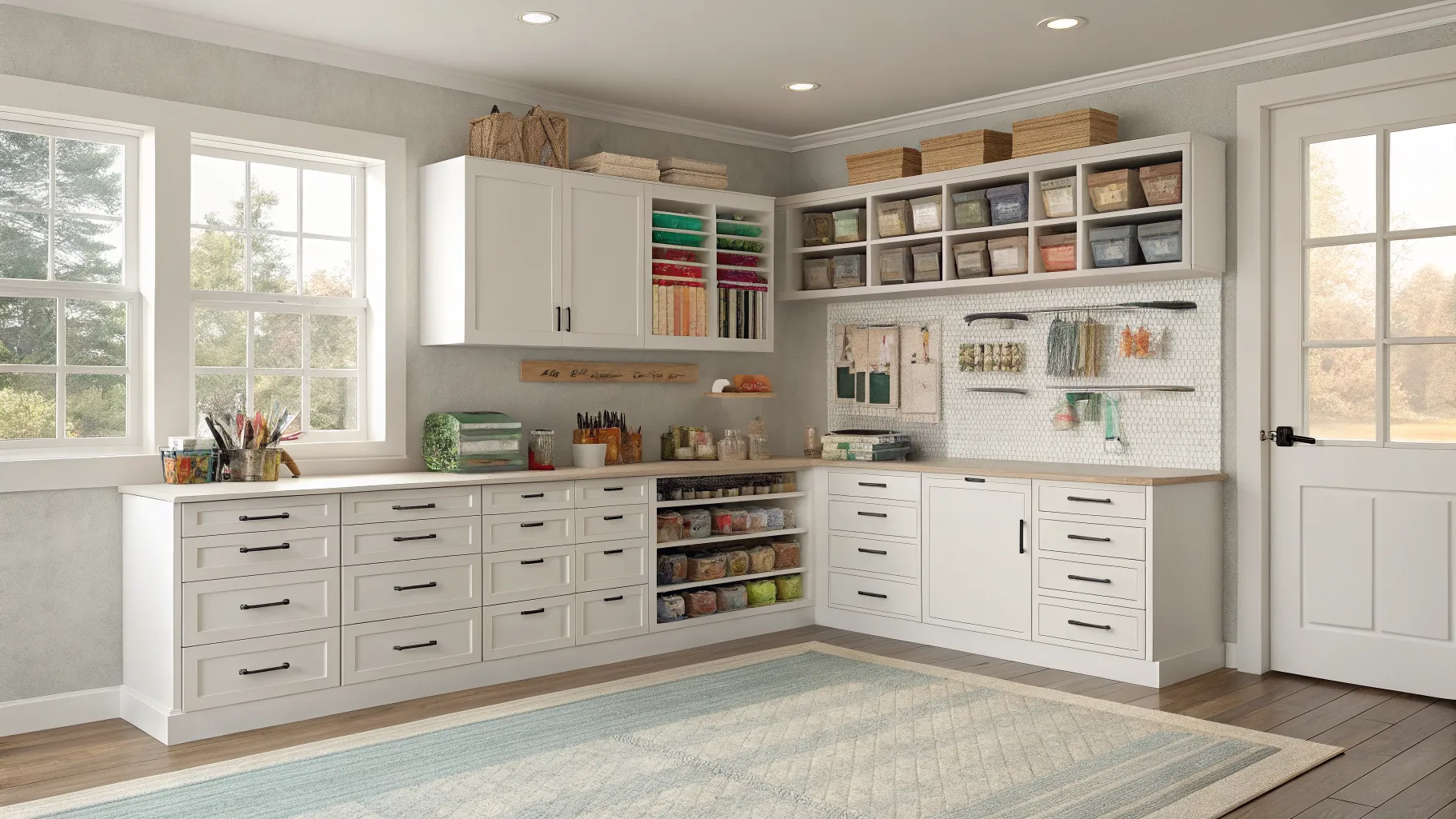
Interior designers and storage brands are zeroing in on small craft rooms as more people create at home and face tight square footage. The push comes as hobby spending rises and remote work blurs lines between office, studio, and storage. The goal is simple: add function without adding clutter.
At the center of this trend is a message repeated by organizers and makers alike: plan for growth while protecting space. One design consultant put it plainly:
“Expand your craft room’s capabilities without overcrowding it.”
The approach favors modular furniture, wall-mounted systems, and flexible layouts that can shift from sewing to printing to packaging in minutes. It also reflects a market that prizes multipurpose rooms as housing costs stay high and floor plans shrink.
A Demand Shaped by Smaller Homes
Design professionals say interest began climbing when dining rooms became offices and spare bedrooms turned into studios. Crafters now need storage that fits in corners, closets, and under desks. Retailers report higher sales for narrow shelving, foldaway tables, and pegboards, especially in urban areas.
Organizers warn that traditional craft rooms filled with deep cabinets often waste vertical space. Open systems that make tools visible tend to reduce duplicate purchases and keep projects moving. Visibility, they argue, is as important as volume.
Strategies for More Function in Less Space
Experts recommend treating the craft zone like a workshop, with clear work paths and task zones. The guiding idea is to keep tools nearest to the task and store infrequent items higher or farther away. That helps users switch projects quickly without the sprawl that stalls creativity.
- Use a fold-down wall desk for cutting or pressing.
- Mount vertical rails with adjustable shelves and hooks.
- Choose rolling carts that dock under tables.
- Label clear bins by project stage, not just by material.
- Reserve one “landing shelf” for new supplies to prevent pileups.
Designers also encourage a one-in, one-out rule for bulky tools. If a new die-cutter arrives, reassess older devices. The tradeoff reduces stress and frees budget for core materials.
Retailers and Makers Respond
Home improvement stores are expanding narrow-depth shelving and ready-to-assemble islands aimed at craft users. Specialty brands now offer magnetic knife bars repurposed for scissors and rotary cutters, and stackable drawers sized for vinyl and paper. Some vendors are piloting rental programs for high-cost tools to save space and money.
Independent makers note that small, modular purchases spread costs over time. Yet they warn about “organizing for organizing’s sake.” Boxes and bins can multiply without solving workflow issues. The best systems, they say, support the way the user actually creates.
Environmental advocates add another view: choose fewer, longer-lasting organizers made from metal or wood instead of cheap plastics. Reuse glass jars and bakery trays for sorting. Waste reduction starts with storage choices, not only materials.
Case Studies and Tradeoffs
In one studio apartment, a crafter replaced a fixed cutting table with a wall bed that becomes a work surface when folded down. The change opened space for a rolling printer cart that locks into place. Project time dropped because tools stayed mobile and reachable.
Another home converted an entry closet into a thread and notions wall with shallow shelves. The door carries a pegboard, creating instant access. The family kept the hallway clear while gaining a full sewing station.
Costs remain a concern. Modular tracks and carts add up. Designers suggest starting with one zone, such as paper storage, then expanding as habits stabilize. That helps avoid mismatched systems and wasted spend.
What to Watch Next
Manufacturers are testing clip-on lighting, power strips integrated into rails, and collapsible table leaves that store flat. Retailers expect demand for multiuse islands that serve as both kitchen prep and craft worktops. Apartment developers are also studying shallow flex closets that swap shelves and rods.
For households, the takeaway is clear: growth comes from layout, not just more bins. Keep sightlines open, put work first, and let storage follow. As one organizer advised, the best craft rooms feel ready before the project begins.
The next phase will likely focus on power management, safe tool storage, and resale markets for organizers. Until then, small, steady upgrades can add capacity while keeping rooms calm and productive.

Deanna Ritchie is a managing editor at DevX. She has a degree in English Literature. She has written 2000+ articles on getting out of debt and mastering your finances. She has edited over 60,000 articles in her life. She has a passion for helping writers inspire others through their words. Deanna has also been an editor at Entrepreneur Magazine and ReadWrite.